Starmer Criticized: “Spectator In His Own Governmental Machine”
Prime Minister Keir Starmer is being criticized as a "spectator" in his own government amidst the Peter Mandelson scandal. Analysis suggests a pattern of "plausible deniability" and a lack of deep engagement with unfolding events, drawing parallels to the sitcom "Yes Minister."

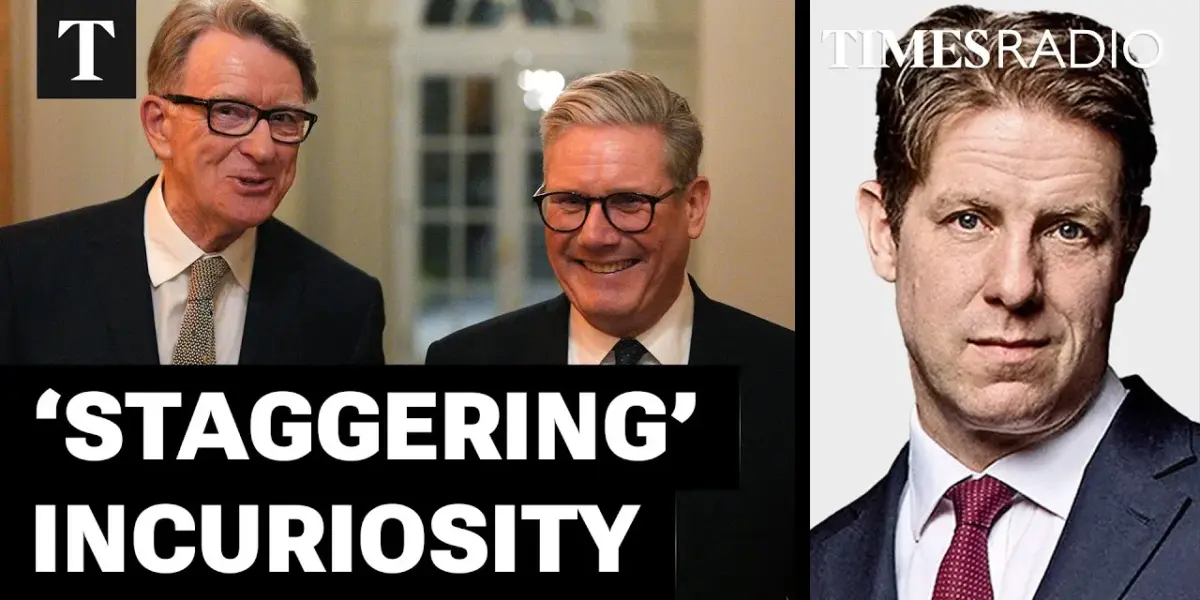
Starmer Accused of Being ‘Spectator’ in Government Amidst Mandelson Scandal
Prime Minister Keir Starmer is facing sharp criticism, being described as a “spectator in his own governmental machine” rather than a leader. This assessment comes in the wake of the Peter Mandelson affair, where questions are being raised about the vetting process and Starmer’s apparent lack of deep engagement with the unfolding situation.
The core of the critique suggests a pattern of “plausible deniability” being employed, reminiscent of the satirical British sitcom “Yes Minister.” This approach, where information is managed based on the perceived desire of the leader to know, seems to be at play. The Mandelson case has highlighted concerns that information may not have reached Starmer promptly, leading to a situation where he appears surprised by events within his own government.
The Mandelson Affair: Vetting and Public Announcement
The controversy surrounding Peter Mandelson’s appointment as ambassador has brought the government’s vetting procedures under scrutiny. A key point of contention is that Prime Minister Starmer made a public announcement of the intended appointment in December, before the vetting process had even been completed. This action appears to have put officials in a difficult position.
According to analysis, the civil service may have felt compelled to proceed with the appointment despite vetting concerns. Once an individual is publicly announced for a role, retracting that announcement due to vetting issues would be a significant political embarrassment. This situation placed civil servant Ollie Robbins in a challenging position, with the expectation that the vetting outcome would be managed to avoid such a crisis.
Questions Over Transparency and Information Flow
A significant aspect of the criticism centers on the information flow to Prime Minister Starmer. Reports suggest that Starmer only learned the full details of the vetting issues late in the process, even after Mandelson had resigned. It is argued that at various points, the Prime Minister could have proactively sought detailed information from the relevant civil servants.
The secrecy inherent in vetting processes has been cited as a reason why full details might not have been immediately shared. Some civil servants reportedly sought legal advice before disclosing information, concerned about undermining the integrity of the vetting system. However, critics argue that while specific details of vetting findings might be confidential, a broader indication that the process was not straightforward could have been communicated to the Prime Minister.
“He basically doesn’t want to know. He’s staggeringly incurious and his position is always one of surprise, even shock at what his own government is up to.”
Fraser Nelson, Times Columnist
“Yes Minister” Analogy and Leadership Style
The situation is frequently compared to the classic “Yes Minister” scenario, where systems and procedures can be manipulated. In this analogy, a Prime Minister like Gordon Brown, who actively sought detailed information, is contrasted with Starmer’s perceived approach of not wanting to be deeply involved. This passive stance, critics argue, allows information to be filtered and managed, rather than actively sought and understood.
The implication is that when a leader is not deeply engaged, those managing the government machine may protect themselves and the leader by withholding or carefully managing information. This can lead to a situation where procedures are followed on paper, but the outcome is questionable, and the leader appears out of touch with key events.
Broader Concerns About Starmer’s Leadership
This is not the first time concerns have been raised about Starmer’s level of engagement. Similar instances have been cited regarding his knowledge of government plans and policies. The argument is that while procedures may be technically followed, the lack of proactive leadership and curiosity can lead to significant governance failures.
The current situation raises questions about accountability, with the ultimate responsibility resting with the Prime Minister. The gap between Starmer’s promises and the delivery of his government’s actions is a growing concern, particularly with upcoming elections. This perceived lack of control and active management of government affairs could significantly impact public perception and electoral outcomes.
Misleading Parliament Allegations and Political Peril
While the Mandelson scandal has brought leadership style into focus, there are also allegations that the Prime Minister may have misled Parliament. The legal threshold for misleading Parliament often requires intent, meaning the individual must have knowingly provided false information.
In this case, Starmer could argue that he was not knowingly misleading Parliament because he was acting on the information provided to him, which he claims was incomplete or misleading. This defense, drawing on the “Yes Minister”-style information management, might shield him from formal parliamentary procedure, unlike past instances involving former Prime Ministers.
Culture of Plausible Deniability and Future Outlook
Critics suggest that Starmer’s approach is deeply ingrained and unlikely to change, possibly stemming from his background as a lawyer. This tendency towards “plausible deniability” has been a feature of his leadership style even before becoming Prime Minister, making a significant shift in his operational methods seem improbable.
The upcoming local elections are seen as a critical test. While Prime Ministers often attempt to reset their administrations by changing staff or strategies after poor electoral results, the question remains whether Starmer’s party would support such a move. The lack of a clear, strong alternative leader within the Labour party presents a dilemma for MPs considering any potential challenge, leaving them in a difficult position without an obvious successor.
Looking Ahead: Transparency and Public Trust
Prime Minister Starmer has promised full transparency regarding the Mandelson affair. However, the ongoing analysis suggests that the public already has a clear view of how his government operates, including its perceived shortcomings. The focus will now be on whether the promised transparency will offer substantive answers and help to rebuild public trust.
The coming weeks will reveal whether Starmer can effectively address the concerns raised about his leadership and the functioning of his government. The public and his own party will be watching closely to see if he can demonstrate a more active and engaged approach to governance, especially in light of the upcoming electoral challenges.
Source: Mandelson Scandal: Starmer Is A 'Spectator In His Own Governmental Machine' | Fraser Nelson (YouTube)

Related Articles

Trump Promises UFO Documents Soon: What’s Behind the Buzz?
Former President Donald Trump announced that the Pentagon will soon release "very interesting documents" about UFOs. This follows his previous directive for transparency on extraterrestrial and aerial phenomena, aligning with growing calls for openness from lawmakers.


PM Unaware Vetting Advice Could Be Overruled, Allies Claim
Prime Minister Rishi Sunak was reportedly unaware that security vetting advice could be overruled, according to notes from a recent meeting. Allies of former Foreign Office head Sir Ollie Robbins are defending his decision to approve Lord Mandelson's appointment despite failed vetting, citing immense pressure. The situation has ignited calls for greater transparency in government decision-making processes.

Jonathan Pie Blames Voters for Current Political Chaos
Comedian Tom Walker, as his character Jonathan Pie, is launching a new tour that tackles the current political climate. The show's unique angle is Pie's self-blame for the "chaos" he sees, a departure from previous tours. Walker plans to test new material online before taking the show on the road in September.