Iran Re-Imposes Strait of Hormuz Blockade Amid Tensions
Iran has reimposed restrictions on the Strait of Hormuz, citing the ongoing U.S. naval blockade. This reversal follows brief declarations of openness and comes amid multiple attacks on vessels in the waterway. The chaotic situation threatens fragile ceasefires and complicates ongoing diplomatic negotiations.

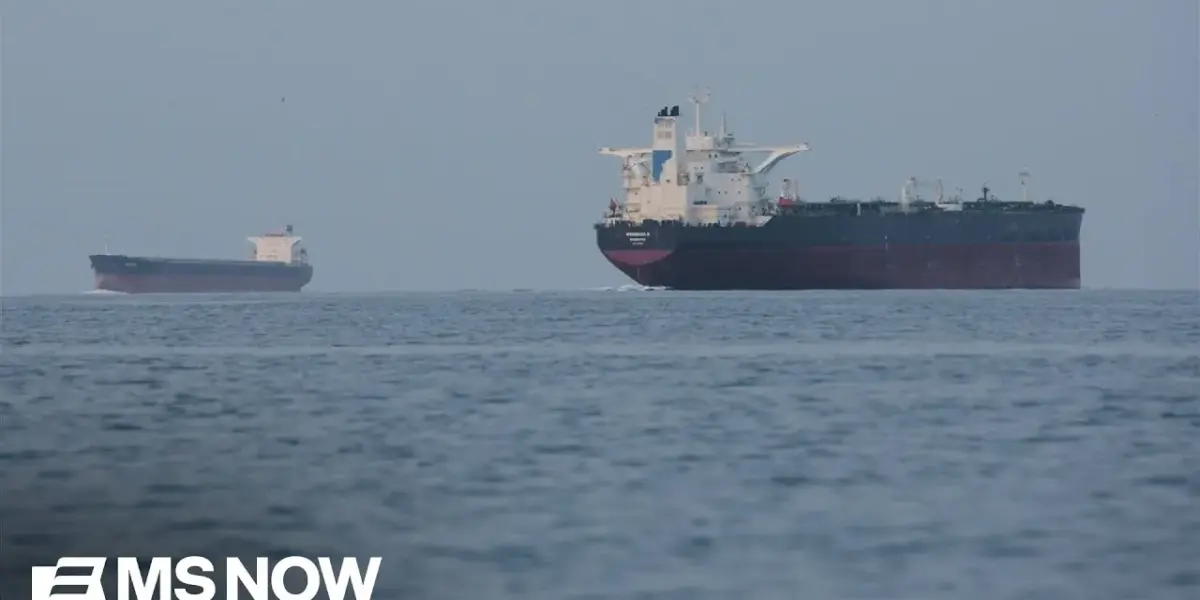
Iran Closes Key Waterway
Iranian officials announced Saturday that restrictions in the Strait of Hormuz would be reimposed. This move marks a significant reversal from previous declarations that the vital shipping lane was open.
The Iranian military stated the Strait is back under its “strict control” until the United States ends its naval blockade of Iranian ports. This declaration comes after a brief period where both President Trump and Iran’s Foreign Minister had declared the waterway completely open.
Confusing Signals and Escalating Incidents
The situation in the Strait of Hormuz is described as chaotic and incredibly confusing. Yesterday, Iran’s Foreign Minister tweeted that the Strait would open due to a ceasefire in Lebanon.
This news offered hope for ships to pass through again. However, the continued U.S. blockade led Iran to reverse its decision and close the Strait once more.
The situation escalated further on Saturday with three separate incidents reported in the narrow waterway. The UK Maritime Trade Operations reported that two Iranian IRGC gunboats fired upon an Indian tanker off the coast of Oman.
Shortly after, an attack on a container vessel caused damage. Most recently, reports emerged of a projectile incident near a cruise ship attempting to pass through the Strait, close to the Iranian coastline.
President Trump’s Reaction and Ongoing Negotiations
President Trump commented on the recent events, stating that Iran had become “a little cute,” a remark likely referring to the attacks on vessels. He also indicated that conversations between the two nations are ongoing and proceeding well. However, the reimposed restrictions and recent attacks cast a shadow over these diplomatic efforts.
Yesterday, Iranian parliamentary leader Mohammad Galabaf had warned that the Strait of Hormuz would not remain open if the blockade continued. He added that passage would be subject to Iranian authorization and designated routes. This statement foreshadowed the current restrictions and adds another layer of complexity to the ongoing negotiations.
Fragile Ceasefires Under Threat
The developments in the Strait of Hormuz are occurring alongside concerns about a fragile ceasefire in Lebanon. In the past 48 hours, both the Strait of Hormuz issue and the Lebanon ceasefire appear to have broken down. Reports of potential Israeli attacks inside Lebanon overnight have caused significant worry, further complicating the already tense regional dynamics.
This situation suggests a pattern of moving one step forward and two steps back. The escalating tensions and breakdown of agreements are unlikely to aid ongoing diplomatic talks in the coming days. President Trump had previously instructed Israel not to attack Lebanon during the ceasefire period, but these orders may have already been disregarded.
Travel Advisory Issued
Given the heightened risks, a cautionary note has been issued regarding travel through the Strait of Hormuz. Specifically, individuals planning to travel on cruise ships through the area are advised to postpone their journeys until the situation de-escalates. This recommendation highlights the current instability and potential dangers in the vital waterway.
The coming days will be critical in determining whether diplomatic channels can overcome the recent provocations. The reimposition of restrictions and the attacks on shipping pose a serious challenge to de-escalation efforts. Observers will be closely watching for further statements and actions from both Iran and the United States.
Source: Iranian officials announced Saturday that restrictions in the Strait of Hormuz will be reimposed (YouTube)

Related Articles

Strait of Hormuz Closure Threatens Global Energy Supply
Global energy supplies face critical shortages as the Strait of Hormuz remains closed following an attack on a cargo vessel. Economist Mohamed El-Erian warns that Asia is already experiencing severe energy problems, with Europe facing similar issues if the situation persists. The ongoing uncertainty also impacts global markets and businesses, highlighting the fragility of current supply chains.


Iran Deal Collapse Fuels Oil Market Volatility
Initial optimism over an Iran deal sent oil prices tumbling, but the optimism was short-lived as the Strait of Hormuz was reportedly closed again. This volatility highlights the significant economic damage already done, with over 500 million barrels of oil lost from the global market and $50 billion in revenues disappearing. The crisis has drained oil inventories and created a supply shock that fuels inflation and complicates economic recovery.


Strait of Hormuz Reopens Amid Shifting Power Dynamics
The Strait of Hormuz has reportedly reopened, with President Trump claiming credit amid complex negotiations with Iran. Meanwhile, explosive allegations surface regarding FBI Director Cash Patel's conduct, and Defense Secretary Pete Hegseth faces ridicule for quoting Pulp Fiction at a prayer service. These events raise significant questions about leadership and stability within the administration.