US-Iran Talks Stall Amidst Tensions, Strait of Hormuz Threats
Negotiations between the U.S. and Iran are reportedly in a dire state, with discussions over releasing $20 billion in frozen funds at the center. Tensions have escalated with Iran reimposing restrictions on the vital Strait of Hormuz, casting doubt on diplomatic progress.

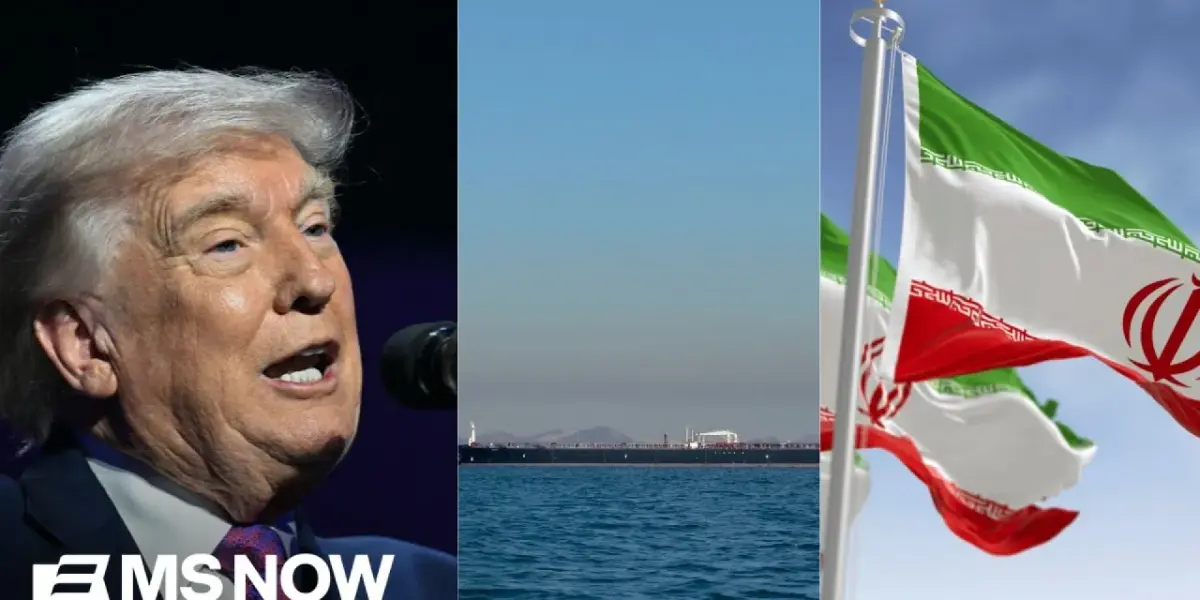
US-Iran Negotiations Face Major Hurdles Amid Rising Tensions
Recent reports indicate that United States and Iran negotiations are in a significantly worse position than before recent conflicts. Discussions reportedly centered on a plan to end hostilities, with a key element involving the potential release of $20 billion in frozen Iranian funds.
This proposal, if true, appears to contradict previous statements made by former President Trump regarding Iran and financial matters. The complexity of these talks is further complicated by Iran’s reimposition of restrictions on the Strait of Hormuz, a vital global shipping route.
Key Terms of Potential Deal Revealed
The proposed three-page plan aimed at ending the war included the U.S. releasing $20 billion in frozen assets. This financial aspect is a major point of discussion, according to two U.S. officials and two additional sources briefed on the talks. The idea of releasing funds clashes with former President Trump’s past rhetoric, where he criticized the Obama administration’s Iran deal, stating, “they give them 150 billion dollars a terrorist state.” He also mentioned a $1.8 billion cash payment made during that period.
Comparing Past and Present Deals
The scale of potential sanctions relief discussed now far surpasses what was offered under the Obama administration. While the Obama deal involved significant funds, the Trump administration’s potential sanctions relief, especially concerning oil exports for Iran, is described as making the Obama money look like “peanuts.” Iranian officials reportedly view this as a different kind of deal, one backed by the perceived destruction of Iran’s military capabilities and command structure. However, they have countered the $20 billion offer, demanding more money.
The “Noise” of Diplomacy
One analyst suggested that recent events were primarily about creating “noise” to obscure the actual signal. The fundamental elements of any potential deal appear to be: Iran possesses uranium, which the U.S. wants controlled; Iran wants access to its frozen cash; and the U.S. has weaponry and sanctions as leverage. Iran, in turn, holds the power to disrupt passage through the Strait of Hormuz.
Who is Leading the Negotiations?
Questions have arisen about who is currently representing the U.S. at the negotiating table. In the past, during the Obama administration’s negotiations for the Joint Comprehensive Plan of Action (JCPOA), key figures like Secretary Moniz, Secretary Kerry, Wendy Sherman, and lead negotiators were clearly identified.
For the current talks, the reported U.S. team appears to be significantly smaller, consisting of figures like Steve Wittkopf, Jared Kushner, and possibly Vance, with Vance now reportedly taking the lead. It remains unclear if these individuals are directly engaging with Iranian counterparts or if communication is more indirect.
Strait of Hormuz Threats Cast Doubt on Talks
Recent military activity by Iran’s Navy in the Strait of Hormuz has cast further doubt on the progress of any potential negotiations. This renewed tension in a critical global waterway raises concerns about the stability of the discussions and the broader implications for international trade and security. The situation in the Strait of Hormuz is a significant complicating factor, potentially derailing diplomatic efforts.
Assessment: A More Difficult Position
From the perspective of former CIA Director John Brennan, the current situation is “much worse” than before the recent escalation. He contrasted the current approach with President Obama’s strategy, which achieved significant diplomatic goals without the need for military action, civilian casualties, or a spike in oil prices.
Brennan emphasized that the Obama administration’s successes were the result of years of deliberate, tough negotiations involving experts who understood the complex issues involved. He expressed hope that experienced individuals would support the current U.S. negotiators but acknowledged the immense challenge ahead, given the new dimensions and complications that have emerged.
What’s Next for US-Iran Relations?
The coming days and weeks will be crucial in determining the future of U.S.-Iran relations. Observers will be closely watching for any signs of de-escalation in the Strait of Hormuz and whether direct diplomatic channels can be effectively established. The potential involvement of international experts in supporting the U.S. negotiation team could also play a significant role in navigating the complex challenges ahead.
Source: U.S. & Iran negotiations in ‘much worse shape’: Iran reimposes restrictions on Straight of Hormuz (YouTube)

Related Articles
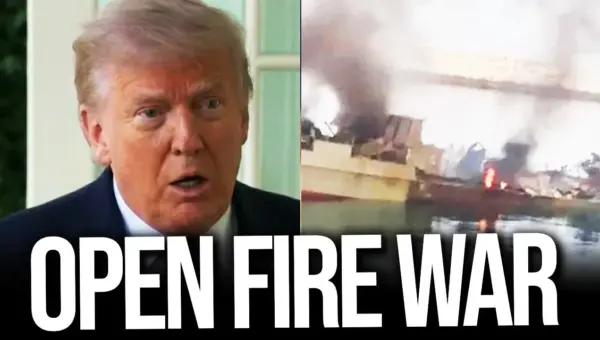
Iran Fires on Ships, Reclosing Key Strait; Trump’s Promises Unravel
Iran has reopened fire on ships in the Strait of Hormuz, effectively closing the vital waterway again. This follows a promise by Donald Trump that the Strait was open, but Iran claims the US broke its agreement to lift a blockade.
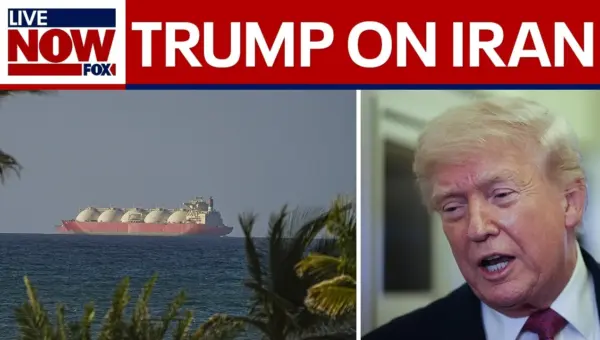
Trump Claims Iran Nuclear Deal Nears Completion
President Trump announced on Air Force One that significant progress has been made in negotiations with Iran, suggesting a deal is close to being finalized and that Iran will not possess nuclear weapons. He also hinted at a surprise announcement planned for the following morning, describing it as a very positive development for the country.
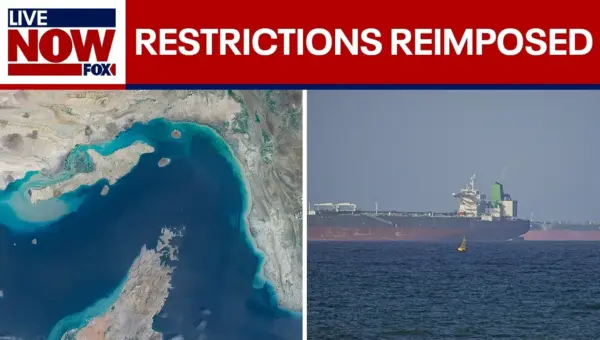
Iran Reverses Strait of Hormuz Reopening, Cites US Blockade
Iran announced it is reimposing restrictions on the Strait of Hormuz, reversing a recent decision to reopen the waterway. This move comes after the US maintained its blockade, citing the need for a new deal with Iran. Reports also emerged of Iranian gunboats firing on a tanker transiting the vital shipping lane.