Iran Fires on Ships, Reclosing Key Strait; Trump’s Promises Unravel
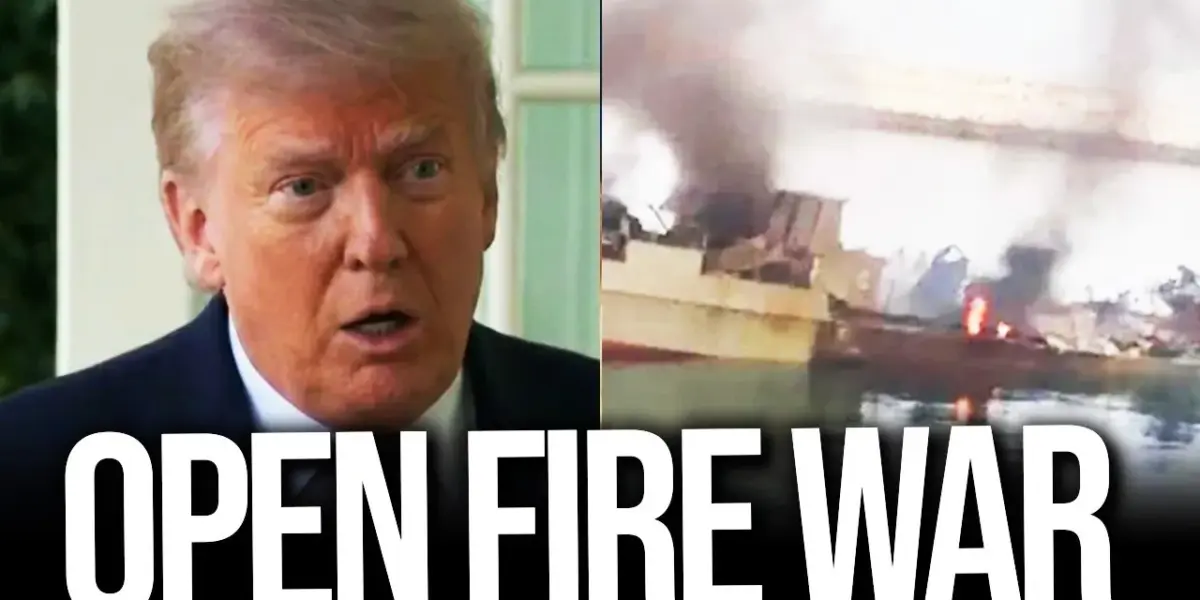
Iran has reopened fire on ships in the Strait of Hormuz, effectively closing the vital waterway again. This follows a promise by Donald Trump that the Strait was open, but Iran claims the US broke its agreement to lift a blockade.

Iran Fires on Ships, Reclosing Key Strait; Trump’s Promises Unravel
Tensions flared in the Middle East as Iran opened fire on ships in the Strait of Hormuz, signaling a potential new escalation between Iran and the United States. A tanker attempting to cross the vital waterway reported being hit by two gunboats belonging to Iran’s Revolutionary Guard Corps. This incident suggests Iran is once again restricting passage through the Strait of Hormuz, a critical chokepoint for global oil trade.
The events unfolded shortly after a widely publicized announcement that the Strait had been reopened for transit. Both Iranian and American officials, including Donald Trump, had declared the waterway open. However, within hours, live shipping data showed a significant number of vessels turning back at the entrance to the Strait, indicating it was effectively closed again.
The discrepancy between official statements and on-the-ground reality has led to questions about the reliability of information and the role of media coverage. Some observers noted that mainstream news outlets appeared to follow Donald Trump’s narrative of an open Strait, with reports of Iranian fire and closures appearing as secondary details. This has highlighted for some the importance of independent media sources that can provide real-time data and analysis.
A Cycle of Promises and Setbacks
This latest incident follows a pattern of announcements regarding the Strait of Hormuz. Iran had previously stated that it would reopen the Strait if the United States removed its blockade on Iranian ports. Donald Trump reportedly agreed to this condition, leading to the announcement of the Strait’s reopening.
However, according to reports, the United States did not lift its blockade as promised. Iran claims this broken agreement is the reason for reimposing restrictions and closing the Strait again. This back-and-forth suggests a fundamental misunderstanding or a deliberate disregard for agreed-upon terms, leading to a chaotic situation on the water.
The situation has led to confusion and frustration, with many questioning how often such miscommunications occur and whether they jeopardize peace efforts. It raises concerns about the competence of those involved in negotiating and upholding these sensitive agreements.
Historical Context and International Norms
The Strait of Hormuz has long been a point of contention. Its strategic location means that any disruption there has immediate and far-reaching economic consequences. For decades, international norms have aimed to ensure freedom of navigation through such vital waterways.
However, the current situation, as described by some analysts, points to a breakdown of these norms. The ability of one nation to effectively close a major international shipping lane, and the subsequent impact on global trade and prices, is seen as a dangerous precedent. This could encourage other nations with strategic waterways to adopt similar tactics, leading to a world where might makes right.
Historically, international cooperation has sought to prevent such blockades and ensure global commerce. The current events suggest a departure from these established principles, potentially ushering at a time when physical control and force dictate access to critical trade routes.
Implications and Future Outlook
The repeated closures of the Strait of Hormuz have serious implications for the global economy. Higher oil prices and disruptions to supply chains can affect consumers worldwide. The perceived inability of the United States to ensure safe passage through the Strait also raises questions about its regional influence and its commitment to international stability.
This situation creates a dynamic where Iran can exert significant leverage. By controlling access to the Strait, Iran can inflict economic damage and potentially force concessions from the United States and its allies. This regional power has been amplified in recent months, according to some analyses.
The approach taken by Donald Trump, which includes declarations of victory and threats of military action, has been criticized for creating a cycle of conflict. The ability to start and then claim to end conflicts, even those he may have initiated, is seen by some as a tactic that allows for a perpetual state of tension rather than lasting peace.
Why This Matters
The events in the Strait of Hormuz are more than just a regional dispute; they affect the global economy and the stability of international relations. When a critical shipping lane is threatened, it impacts everything from the price of gas at the pump to the cost of goods worldwide.
The reliability of international agreements and the adherence to established norms are crucial for a functioning global system. If countries can unilaterally block vital waterways without significant international repercussions, it undermines the principles that have helped maintain peace and trade for decades. This could lead to a more unpredictable and dangerous world.
The way information is presented and consumed is critical. The reliance on official narratives versus real-time data highlights the challenges of discerning truth in a complex geopolitical environment. Independent reporting and critical analysis are essential for understanding these events accurately.
A Continuing Crisis
The immediate future suggests continued volatility in the Strait of Hormuz. Iran has indicated that restrictions will remain as long as the US blockade is in place. The threat of further military action, as suggested by Donald Trump’s statements, looms over the region.
The attempt by Donald Trump to assemble a coalition of ships to transit the Strait was reportedly met with refusal from several countries, citing the danger. This indicates a lack of broad international support for a forceful approach, leaving the situation unresolved and the Strait vulnerable.
The ongoing uncertainty means that the Strait of Hormuz remains effectively closed, with gas prices remaining high and Americans facing economic strain. The world watches to see if a stable resolution can be found, or if the cycle of conflict and closure will continue.
Source: Trump Panics as Iran OPENS FIRE on Ships (YouTube)

Related Articles
Trump Claims Iran Nuclear Deal Nears Completion
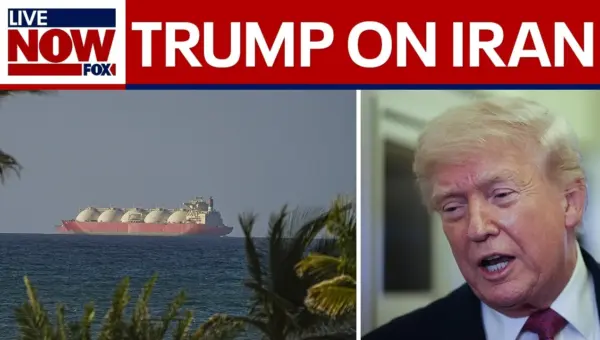
President Trump announced on Air Force One that significant progress has been made in negotiations with Iran, suggesting a deal is close to being finalized and that Iran will not possess nuclear weapons. He also hinted at a surprise announcement planned for the following morning, describing it as a very positive development for the country.

Lawmakers Demand Public Test for Trump’s Mind
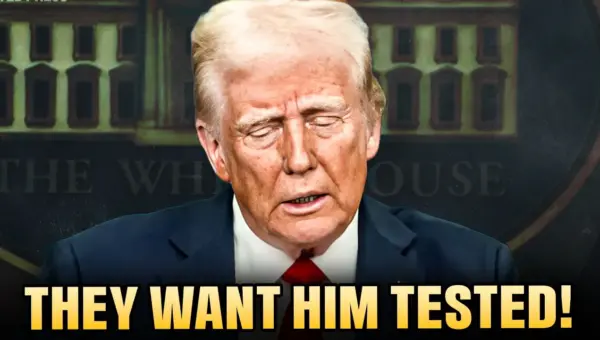
Lawmakers are demanding Donald Trump undergo a public cognitive exam, citing concerns about his mental fitness. Trump's own claims about acing past tests have fueled the debate. The White House has dismissed the request as political theater.

Trump’s Vendetta Politics Distract From Real Issues
Donald Trump's communication strategy appears to prioritize personal vendettas over addressing national issues like inflation. His social media activity shows an obsessive focus on perceived enemies, overshadowing economic concerns and raising questions about his leadership priorities.