Kremlin’s Fear: Russia Controls Thoughts, Not Just Words
Russia's government is escalating information control by targeting not just speech, but thoughts. This shift, rooted in historical patterns of control, signals deep paranoia and a loss of faith in propaganda. The move affects all citizens and may accelerate societal instability.

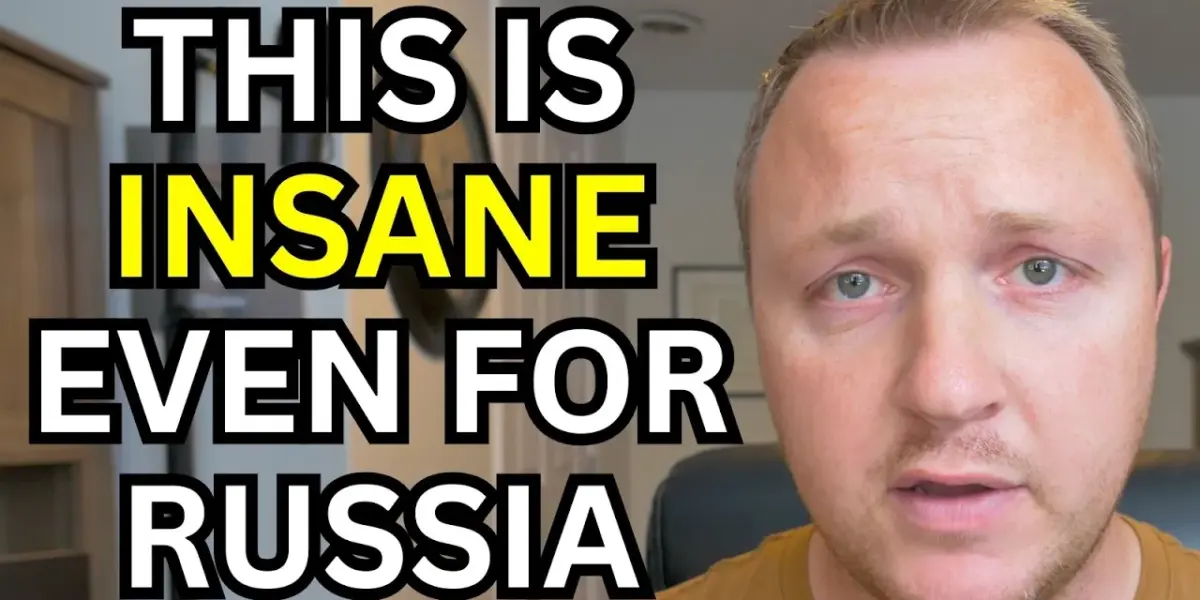
Kremlin’s Fear: Russia Controls Thoughts, Not Just Words
When governments try to control what people see and hear, it usually means they’re scared. They fear the truth and they fear their own citizens might find out that truth.
Russia’s current actions show a deep fear, especially when a nuclear power starts focusing its limited resources on controlling its own people. This isn’t just about banning apps or websites anymore; it’s a significant shift in how Russia controls information.
In the past, Russia punished people like journalists or bloggers for sharing information that didn’t match the government’s story. This was common and not new.
However, things have changed dramatically. Now, Russia is punishing people not just for what they say, but for what they consume or even what they might be thinking.
A Shift from Speech to Thought Control
This move from punishing speech to punishing thought marks a major change. Before, people could privately believe what they wanted, even if they couldn’t say it publicly.
Now, Russia seems to want to punish anyone whose eyes or ears stumble upon information the government dislikes. This is a fundamental shift, showing an increasing level of paranoia in the Kremlin.
We see this in the blocking and slowing down of popular apps like YouTube and Telegram. Even though some Russians use VPNs to access these services and post positive content about Russia, the government is now targeting VPNs themselves.
While Russia claims VPNs aren’t illegal, using one while breaking another law, like spreading ‘disinformation’ about the war, makes it a worse offense. This effectively targets people trying to access information they want.
Historical Roots of Information Control
Understanding Russia’s current information control requires looking at its history. This isn’t a new tactic for Russia; it’s an escalation from a playbook used for centuries.
In the Russian Empire, the Orthodox Church was a key tool for controlling thoughts. Priests, often the only educated people, spread the idea that the Tsar had a divine right to rule, linking religious truth with imperial conquest.
This system eventually failed, leading to the Russian Revolution. The Soviet Union then focused on controlling not just thoughts, but speech.
This was to prevent rebellion and to slowly change people’s thinking away from old ideas. As the Soviet Union progressed, they saw people looking towards the West and realizing life was better elsewhere, which was a threat.
To counter this, the Soviet Union moved to controlling information consumption. People were punished for simply having books or information about the outside world.
They worked hard to control the internal narrative, believing that controlling the only story told would control people’s actions. This pattern repeated after the Soviet Union’s collapse.
Modern Russia’s Escalation
In modern Russia, Vladimir Putin initially gained control of media more subtly. People with differing views were labeled unpatriotic or disloyal, facing social punishment. For a time, this was enough to keep most people in line with the government’s message.
However, things have worsened in Russia to a point where the problems are impossible to hide. When Russians see their own society degrading and compare it to the prosperity and stability they see online from other countries, it becomes a threat. The government can no longer rely on just controlling speech; they must attempt to control thoughts.
This escalation shows that the Kremlin knows its propaganda is losing its power. Even with state-controlled media pushing narratives, people are starting to disbelieve them because they don’t match reality. Russians see coffins returning from the war, cities being hit, economic effects like inflation, and a degrading society.
Why This Matters
The shift to controlling thoughts, not just speech, is a sign of desperation. It indicates that the government knows it can no longer win the argument with its own people. When a regime criminalizes listening, it’s a clear sign it fears its citizens discovering the truth it cannot logically defend.
This new level of control affects every Russian, not just a small group of activists or journalists. It impacts ordinary people who are curious or even trying to understand opposing viewpoints. This widespread repression will likely accelerate societal problems rather than solve them, as repression often makes underlying issues grow.
Future Outlook and Unanswered Questions
Putin’s current actions suggest he is preparing for something significant, possibly an unpopular event like mass conscription or a major economic collapse. The intense control over information aims to manage public reaction and maintain power.
However, leaders with Putin’s mindset often refuse to surrender. History shows examples like Hitler, where a leader’s desperation can lead to the destruction of their country in pursuit of their goals. It’s unclear if this is a strategic move for a specific crisis or simply growing paranoia.
The situation highlights a critical truth: no society is immune to authoritarian escalation. When leaders prioritize their own survival over their society’s well-being, they can lead their nation down a dangerous path. The increasing control over private thoughts, not just public actions, is a profound and concerning phenomenon with deep implications for Russia and potentially beyond.
The consequences of this widespread repression will likely be felt for a long time. Russia’s government is stepping beyond influencing public opinion and directly attempting to control private thought.
This is a desperate move, indicating a deep-seated fear within the Kremlin that its hold on power is slipping. The question remains how long this strategy can last before the internal pressure becomes too great to contain.
Source: Putin’s Paranoia is Becoming Truly Absurd (YouTube)

Related Articles
Ukraine Air Defense at Risk as Iran Conflict Draws US Focus
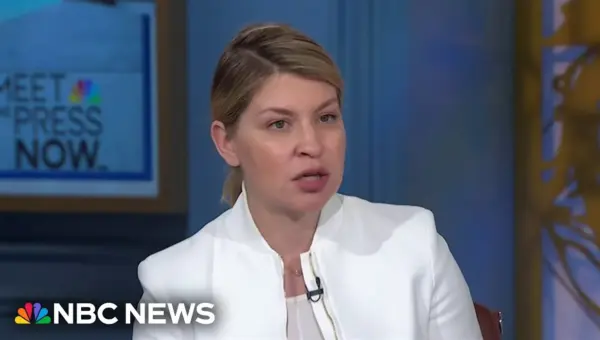
Ukraine's air defense supplies are at risk as U.S. focus shifts to Iran, according to Ambassador Olga Stefanishyna. She highlighted recent intense Russian attacks and expressed concern that international attention is diverting crucial aid. Stefanishyna stressed that Russia only engages in serious talks when under pressure and urged the U.S. to ensure Ukraine's hopes are met.
Russia Hints at NATO Attack as Law Changes
Russia has altered its laws to permit military intervention abroad to protect citizens, sparking fears of an attack on NATO. Estonia's Narva and Swedish islands like Gotland are highlighted as potential targets. Ukraine stresses the need for a strong military response and unity within NATO to counter Russian aggression.
Influencer’s Putin Warning Rattles Kremlin
Russian social media influencer Victoria Bona's video warning about public discontent and economic hardship has drawn an unusual public response from the Kremlin. The video, viewed over 20 million times, highlights inflation and fear among ordinary citizens. The government's reaction suggests these issues have moved beyond politics into mainstream conversation.