Markets Surge Amid Iran Tensions, Widening Wealth Gap
Stock markets are soaring to new heights despite global tensions and low consumer confidence, creating a widening gap between Wall Street and Main Street. Experts warn that the slow-moving effects of shipping disruptions could lead to long-term economic consequences for households worldwide, even as geopolitical strategies appear to falter.

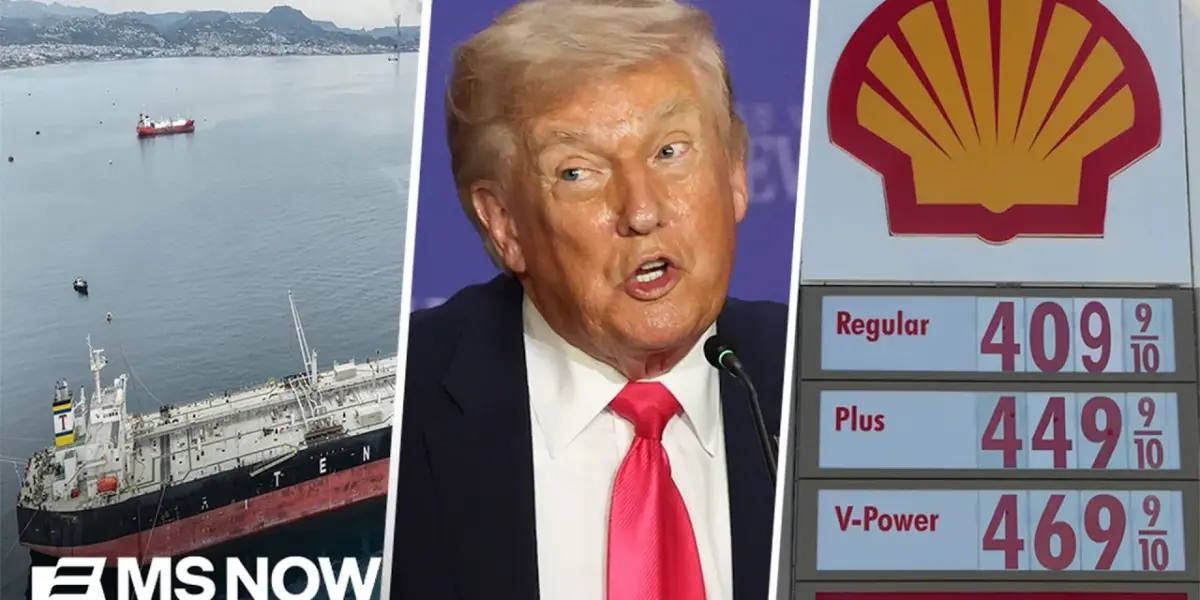
Markets Surge Amid Iran Tensions, Widening Wealth Gap
Despite ongoing uncertainty about the Strait of Hormuz, stock markets have reached new highs, while consumer confidence remains at historic lows. This disconnect highlights a growing gap between Wall Street’s optimism and Main Street’s reality, fueled by algorithmic trading and a belief that geopolitical crises will resolve favorably. Gas prices have seen a slight decrease, but experts warn that persistent global tensions could lead to long-term economic effects, particularly for lower and middle-income households.
Algorithmic Trading Drives Market Optimism
Stock markets have experienced significant gains, with the S&P reaching an all-time high and the NASDAQ seeing its longest run since 1992. This optimism is partly driven by sophisticated trading algorithms that react quickly to positive keywords in headlines. When news suggests a de-escalation in global conflicts, these programs trigger buy orders, creating a cascading effect that boosts stock prices.
This rapid, computer-driven trading is a key factor in the market’s buoyancy. Large trades, often executed in size, can quickly move market prices. For instance, a significant trade was reportedly made in the oil market just before news broke, betting on a price drop that subsequently occurred.
Consumer Sentiment Plummets Despite Market Gains
In stark contrast to Wall Street’s exuberance, consumer sentiment has fallen to its lowest point on record. This reflects a growing concern among everyday people about economic stability and the rising cost of living. While falling oil prices may offer some relief, they are not expected to return to earlier levels, meaning household budgets will likely remain strained.
The gap between the financial markets and the general public’s economic well-being has become increasingly pronounced. This divergence suggests that the benefits of market gains are not broadly shared, leaving many individuals feeling left behind.
Geopolitical Events and Economic Ripples
The situation in the Strait of Hormuz remains a critical point of concern, with many shippers hesitant to send vessels through the vital waterway. Despite this, markets have reacted positively to the *possibility* of passage, leading to a drop in oil prices. However, prices remain significantly higher than at the start of the year, indicating that potential supply disruptions still pose a real economic threat.
The global economic impact extends beyond oil prices. Some regions, particularly in Europe and Canada, are facing potential shortages of essential resources like jet fuel. This has led to flight cancellations and raises concerns about the strain on international alliances.
Strained Alliances and Diplomatic Challenges
International cooperation in navigating these global challenges appears to be faltering. Despite a meeting of leaders from Britain, France, and 58 other nations to discuss securing passage through the Strait, diplomatic efforts have been met with criticism and insults rather than unified action. This fractured approach complicates efforts to stabilize global energy markets.
The strained relationships between key allies are further hampered by political rhetoric that alienates potential partners. This has created a climate where collaborative solutions are difficult to achieve, leaving nations to grapple with economic consequences individually.
Long-Term Ramifications of Supply Chain Disruptions
A crucial, often overlooked factor is the significant lag time in the effects of shipping disruptions. Because large vessels travel slowly, the full economic impact of a closed or restricted Strait of Hormuz can take months to materialize globally. This means that even if the strait reopens soon, the consequences will be felt for a considerable period.
Countries heavily reliant on imports, such as Japan and China, are particularly vulnerable. Disruptions to the flow of energy and essential materials like helium, used in semiconductor manufacturing, could have severe long-term effects on these economies. This highlights the enduring global implications of even seemingly short-term conflicts.
Iran’s Enduring Influence and Future Volatility
The recent events may have provided Iran with a blueprint for exerting influence indefinitely. By demonstrating the ability to disrupt vital shipping lanes, Iran has shown it can significantly impact global markets and international relations. This capability could embolden the regime, making future diplomatic resolutions regarding safe passage through the Strait of Hormuz increasingly challenging.
The potential for ongoing volatility remains high, as the underlying issues that led to the current tensions are not fully resolved. The lack of robust enforcement mechanisms for both nuclear activities and freedom of navigation could mean that global markets and international stability will continue to be subject to unpredictable disruptions.
The next steps will involve monitoring shipping traffic through the Strait of Hormuz and observing how global powers respond to persistent economic pressures. Any developments in diplomatic negotiations or further incidents in the region will be critical indicators of future market stability and international relations.
Source: Is the Iran War making the gap between the rich and the rest of us even wider? (YouTube)

Related Articles


Nasdaq Surges: Best Week Since 1992 Fuels Market Rally
The Nasdaq index recorded its best week since 1992, driven by robust corporate earnings that show revenue up 12.5% and profits up 30%. Investors are gaining confidence as economic indicators suggest a stronger outlook than previously anticipated. Falling oil prices and a potential easing of geopolitical tensions are further supporting market optimism.


Markets Brace for Uncertainty Amid Geopolitical Tensions, AI Boom
Geopolitical tensions surrounding Iran are creating market uncertainty, but a booming artificial intelligence sector and a stable labor market are providing significant economic support. Investors are watching closely as AI investment continues to drive growth and buffer against potential downturns.


Trump’s War Blunder Rocks Pentagon, Iran Strait Reopens
The Strait of Hormuz has reopened, offering a glimmer of hope for global economic stability, yet conflicting statements from the Trump administration sow confusion. Meanwhile, everyday Americans continue to grapple with the economic fallout of the war, including soaring gas prices and rising inflation, creating a stark divide between Wall Street's gains and Main Street's struggles.