Ukraine’s “Fortress Belt” Faces Russian Assault
Ukraine's "fortress belt," a 50km line of four interconnected cities, is now the critical focus of Russia's spring offensive. This heavily fortified area presents a major obstacle to Russian advances into western Ukraine.

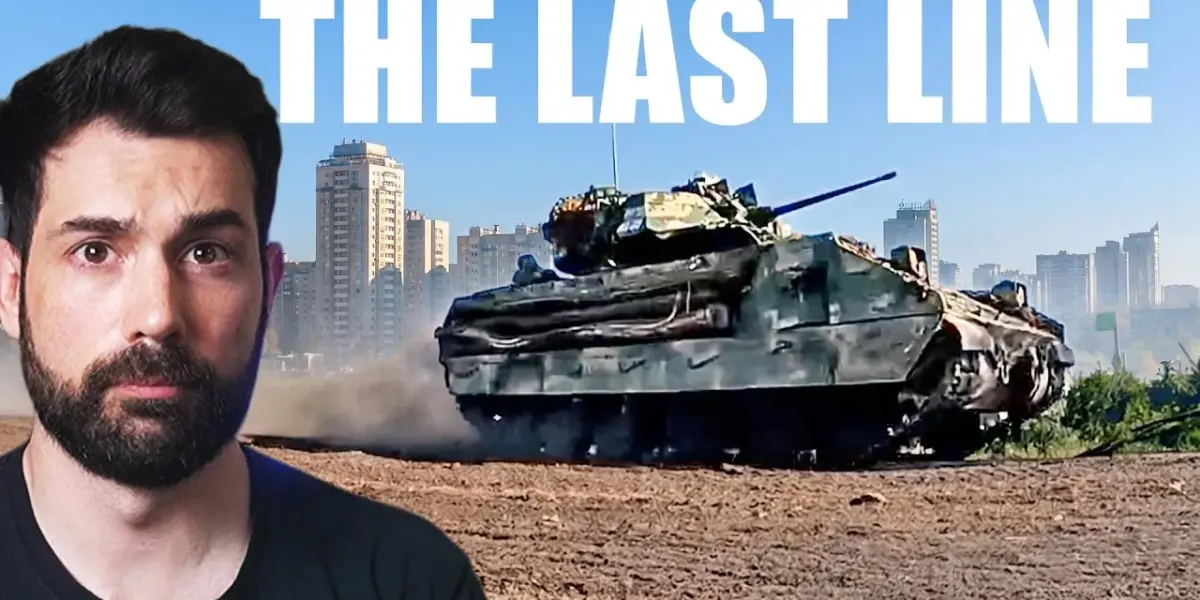
Ukraine’s “Fortress Belt” Faces Russian Assault
A critical 50-kilometer stretch of the front line in eastern Ukraine, known as the “fortress belt,” is now the focus of Russia’s spring offensive. This heavily fortified defensive line, connecting four major cities – Kramatorsk, Sloviansk, Druzhkivka, and Konstantynivka – is seen by many as Ukraine’s last major obstacle against a Russian breakthrough into western territories.
The strategic importance of this area lies in the terrain to its west. Beyond the fortress belt, the land opens into vast, flat farmland, which is ideal for Russia’s maneuver warfare tactics. If Russia were to breach this defensive line, there are no significant urban centers for approximately 300 kilometers until the Dnipro River, presenting a critical vulnerability for Ukraine.
Why This “Fortress Belt” Exists
The unique layout of these four cities, built unusually close together (separated by only 5-10 kilometers), stems from their historical industrial roles. Pre-war, Kramatorsk was known for heavy machinery, Sloviansk for materials processing, and the region’s coal deposits fueled extensive industrialization. These cities formed a continuous urban-industrial strip, essential for steel production and supported by a vital transportation network that remains crucial for military logistics.
This industrial heartland once supported a combined pre-war population of nearly 400,000 people. The close proximity of the cities creates a de facto mega-city, forcing Russian forces into grinding urban combat across a 50-kilometer front with few gaps. This challenges traditional urban warfare tactics seen in places like Bakhmut, where cities were more isolated.
The Current Battle for Konstantynivka
Russia’s current spring offensive is directly targeting Konstantynivka, the southernmost city in the fortress belt. Russian forces claim to have captured 50% of the city, though Ukraine maintains control, indicating heavy fighting. If Konstantynivka falls, the Russian advance would move towards Druzhkivka and then Sloviansk.
Ukraine is employing localized counterattacks to regain lost ground and disrupt Russian consolidation. This dynamic fighting causes the front line to shift continuously within Konstantynivka. The area around the front line has become a deadly kill zone extending 100 kilometers in each direction.
Strategic Advantages of the Fortress Belt
The fortress belt is considered the cornerstone of Ukraine’s defensive strategy, having been fortified for over a decade. Its location was chosen in 2014 based on geography, topography, and existing transportation links, factors crucial for military planning. The H20 highway and numerous side roads provide vital routes for the fast transport of arms, supplies, and troop rotations.
These defenses are also rooted in past conflict. The area was seized by Russian-backed separatists in 2014 and took Ukrainian forces three months to recapture. This history solidified its strategic importance, with Ukrainian commanders noting that similar defenses in 2022 could have drastically altered the war’s course.
New Tactics and Technologies on the Front Lines
The battle for Konstantynivka is testing new tactics and technologies. Ukraine is utilizing ground combat robots for defensive operations, with thousands of missions logged in early 2026. These robots can navigate minefields and dangerous terrain, helping to extract injured soldiers when medevacs are too risky.
Russia is employing a “bite and hold” tactic, seizing small sections of ground, fortifying them, and using them as staging points for further advances. They are also deploying larger glide bombs and attack drones, significantly increasing their strike range to 15-20 kilometers from the front line, devastating everything within a wide zone.
Russian Drone Strategy and Elite Units
Russia has recently centralized its drone distribution, reportedly placing Lieutenant Colonel Yuri Vagenov in personal charge. This move aims to prioritize resources for key sectors like the fortress belt, potentially at the expense of other units. This centralized approach allows for a more focused assault on this critical front line.
Russia’s elite Rubicon drone unit has been redeployed to Konstantynivka, aiming to dismantle the fortress belt by targeting roads, logistics, and communication systems. This is the same strategy Russia used to capture Pork. The effectiveness of this specialized unit is a significant concern for Ukrainian defenses.
Terrain and Defensive Obstacles
The fortress belt’s terrain, characterized by urban areas, forests, and hills, is unfavorable for Russian armored maneuver warfare. West of this line, the terrain shifts to open farmland, offering little natural cover and facilitating rapid mechanized advances.
Defenses include multiple belts of anti-infantry wire, anti-tank ditches, berms, concrete dragon’s teeth, and mines. These obstacles are constantly monitored by drones. The Oscill and Siverskyi Donets rivers also pose natural barriers, making flanking maneuvers difficult for Russian forces.
Long-Term Implications and Peace Talks
The fortress belt represents one of the last hurdles for Russia to achieve its stated goal of capturing the entire Donbas region. The area also holds significant economic potential, including valuable lithium deposits.
Peace proposals have suggested turning this region into a demilitarized buffer zone, a move Ukraine has resisted. Giving up this territory would place Ukraine in a strategically weaker position for future negotiations or conflict. Analysts estimate it could take Russia one to two years to capture the entire fortress belt, if successful, potentially becoming a protracted war of attrition.
Source: Why this Tiny Strip of Land is Holding Back Russia (YouTube)

Related Articles
Experts Weigh In: Are Current Global Conflicts a World War?
International affairs experts largely agree that current global conflicts, including those in Ukraine and the Middle East, do not constitute a World War II. Instead, they liken the situation more to a Cold War scenario or a return to 19th-century great power politics. The analysis also highlights the importance of public opinion and democratic aspirations within nations.


Ukraine Strikes Deep: Russia’s Interior Now Vulnerable
Ukraine's targeted strikes on Russian energy infrastructure, including the recent attack on the Topsy facility, are forcing Moscow to defend its own interior. These attacks highlight Russia's air defense gaps and inflict significant economic damage, raising questions about its ability to fund the war.


Ukraine Strikes Russian Oil Hubs, Weakening War Machine
Ukraine is intensifying its strikes on Russian oil and gas infrastructure, aiming to cripple Moscow's war financing. Despite Russian threats and some international concerns over energy prices, Kyiv maintains that continued pressure is crucial. Ukraine's drone technology is also gaining international attention, potentially opening new avenues for support.