Fentanyl Supply Drop Fuels Major Fall in US Overdose Deaths
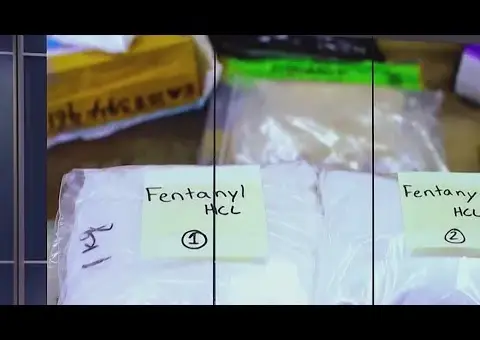
A significant drop in US overdose deaths is linked to a reduction in fentanyl supply. Journalist Sam Quinones explains how disrupting drug availability, not just demand, has led to fewer fatalities. This shift highlights the impact of targeting precursor chemicals and distribution networks.


Fentanyl Supply Drop Fuels Major Fall in US Overdose Deaths
A surprising trend is emerging in the United States: overdose deaths, particularly those involving fentanyl, are falling. Data from the CDC suggests a significant drop of 35% from its peak in 2023.
This decline goes against common assumptions about drug use and supply. Journalist Sam Quinones, an expert on gangs and drug trafficking, argues that it’s not just about people wanting drugs, but about the availability of the drugs themselves.
Quinones, author of books on the opioid epidemic and a commentator on Substack, presented this idea in The Washington Post. He believes that disrupting the supply of fentanyl has directly led to fewer overdose deaths. This viewpoint suggests a different approach to understanding and tackling the drug crisis.
Supply Drives Demand: A New Perspective
The traditional view often focuses on the demand for drugs, assuming addiction drives the market. However, Quinones’ reporting indicates the opposite is true for fentanyl.
He explains that a large supply of fentanyl actually fuels demand. When the supply is reduced, the deadly consequences also decrease.
This is evident in the decreasing potency of street drugs. Chemists have found less fentanyl in counterfeit pills since around August 2023.
This reduction means that when people use these pills, they are exposed to a less deadly substance. The DEA’s data shows overdose deaths began to decline at the same time the fentanyl supply started to shrink.
Coordinated Efforts Lead to Supply Disruption
What changed around August 2023? A broad, coordinated effort involving U.S. federal agencies like the DHS, FBI, and IRS, alongside elements of the Mexican government, began targeting fentanyl production and distribution. This holistic approach aimed to disrupt the entire supply chain.
Quinones points out that fentanyl was, in a way, a perfect drug for dealers. Its quick effect on the brain meant users often needed more, and many didn’t even know they were taking fentanyl. Drug cartels would mix it into other drugs without warning, creating a dangerous and addictive market.
Shifting Market Dynamics and User Experience
Initially, fentanyl’s potency and hidden presence made it highly addictive and deadly. However, those who survived exposure and became addicted now often seek out drugs containing fentanyl. But even these users are reporting that the fentanyl they are buying is less potent and does not fully satisfy their withdrawal symptoms.
This change suggests a widespread reduction in the amount of fentanyl available. The overall decrease in its presence makes the drug less deadly. While other factors like the spread of Narcan and the fact that many vulnerable users have already died play a role, the core reason for the drop in deaths appears to be the reduced supply of fentanyl.
The Role of Precursor Chemicals
The shortage of fentanyl is linked to a reduction in precursor chemicals, often shipped from China. The business model for Mexican cartels relies on a plentiful supply of these ingredients to produce synthetic drugs like fentanyl and methamphetamine. Without these key components, their production capacity is significantly limited.
When the flow of these precursor chemicals is disrupted, the cartels cannot produce the vast quantities of fentanyl that once flooded the United States. This reduction in ingredients directly impacts the amount of fentanyl available on the streets. The ability to cover the entire country with fentanyl is diminished.
A Glimmer of Hope
The decrease in fentanyl supply, driven by international cooperation and enforcement efforts, offers a rare piece of good news in the ongoing struggle against the opioid crisis. While challenges remain, the current trend suggests that disrupting drug supply can have a direct and positive impact on public health.
This development highlights the effectiveness of targeting the source of illicit drugs. It provides a hopeful sign that continued efforts to disrupt supply chains could lead to further reductions in overdose deaths. The focus remains on sustaining these efforts and adapting to the evolving tactics of drug trafficking organizations.
Why This Matters
This trend is crucial because it shifts the focus of drug policy. Instead of solely concentrating on addiction treatment or harm reduction, it highlights the powerful impact of disrupting drug supply. It suggests that law enforcement and international cooperation can yield significant public health benefits.
Understanding that supply can drive demand challenges conventional thinking. It means that strategies aimed at cutting off the flow of drugs could be more effective than previously thought. This could lead to a reallocation of resources and a change in how we approach the fight against the opioid epidemic.
Implications and Future Outlook
The future outlook suggests that continued pressure on precursor chemical supplies and distribution networks will be key. As long as these supply lines are vulnerable, the reduction in fentanyl availability may continue. However, drug cartels are adaptable and may seek new sources or methods.
This situation also raises questions about the long-term effects on addiction. If users are now consuming less potent fentanyl, it could lead to a different kind of withdrawal or a shift to other substances. The long-term impact on those struggling with addiction needs careful monitoring.
Historical Context
The opioid crisis in the United States has a long history, escalating dramatically with the widespread availability of prescription painkillers. Fentanyl, a synthetic opioid far more potent than morphine, emerged as a major player in the illicit drug market, often mixed into other drugs or sold as counterfeit pills. Its high potency led to a surge in overdose deaths.
Efforts to combat the crisis have included increased access to naloxone (Narcan), expanded addiction treatment programs, and law enforcement actions against drug trafficking organizations. The current drop in deaths suggests that a more focused disruption of the fentanyl supply chain, particularly its chemical precursors, is proving effective.
The next steps will involve sustained international cooperation to monitor and intercept precursor chemicals. Continued analysis of drug potency on the streets will be essential to track the ongoing impact of supply disruptions. The DEA and its international partners will continue to track these trends throughout 2024.
Source: Fentanyl shortage driving drop in US overdose deaths: Author | Elizabeth Vargas Reports (YouTube)

Related Articles


China Wages ‘Unrestricted War’ on America, Author Claims
Author Casey Fleming claims China is waging a non-military "unrestricted war" on America using methods like drug trafficking, biological threats, and social media manipulation. He urges Americans to become informed and unite to counter these attacks.

China Fuels Deadly ‘Rhino Tranquilizer’ Drug Surge
A dangerous new drug combination, 'Rhino Tranq,' mixing fentanyl with a veterinary sedative, is surging across the U.S. Sourced from China and distributed by cartels via Mexico, this potent mix is 1150% more prevalent than three years ago, posing a severe national security and public health threat.


US Must Block China’s Tech Access for Security
US national security experts are raising alarms about China's access to advanced AI chips, arguing it threatens strategic advantages. This, coupled with charges against Chinese entities for fentanyl precursor sales and a ban on foreign routers, signals a growing effort to prioritize security over business ties.