Fraud Scheme Unravels: Is Government Hiding the Truth?
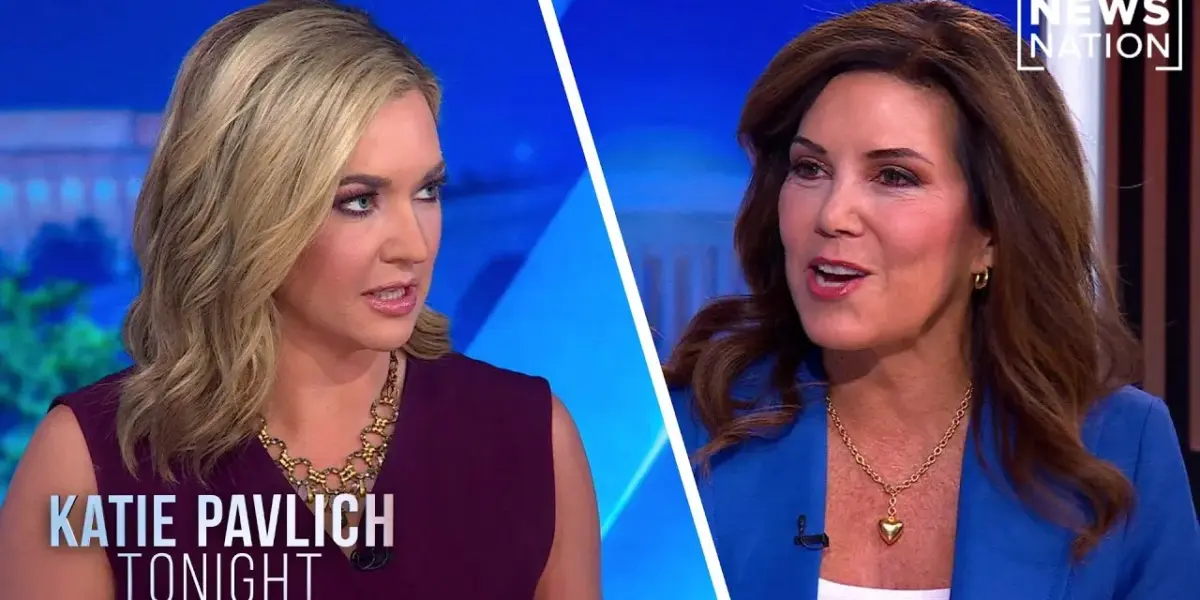
A massive Medicaid fraud scheme in Minnesota is under scrutiny, with allegations of government officials blocking investigations. Candidate Michelle Tafoya discusses the need for accountability and supports legislation to deport fraudsters. The role of journalists in exposing such fraud is also highlighted.

Fraud Scheme Unravels: Is Government Hiding the Truth?
A massive Medicaid fraud scheme, reportedly worth $11 million, is shaking Minnesota. Authorities are searching for a Somali national accused of running this operation.
The suspect failed to appear for a court hearing this week, sparking worries they might have fled the country. This case adds to a growing list of alleged fraud incidents across the nation.
These alleged crimes have occurred under the watch of Governor Tim Walz and Attorney General Keith Ellison. State Democrats have reportedly blocked attempts to investigate how these situations were handled. Michelle Tafoya, a candidate for U.S. Senate in Minnesota, recently spoke out about the issue.
Tafoya’s Plan to Fight Fraud
Tafoya believes Minnesota can become a leader in cleaning up fraud. “We can also be ground zero for cleaning it up and setting the bar for how we get this done,” she stated. As a senator, she plans to support the “Deporting Fraudsters Act.” This bill aims to deport individuals who are in the country as guests and are found to be defrauding Americans or the government.
She expressed frustration with Democrats blocking investigations into fraud handling. “They love to talk about affordability, but our government is unaffordable,” Tafoya commented.
She feels voters need to question why these investigations are being stopped. Many Minnesotans, she says, want to see people held accountable for stolen money.
Accountability and Public Trust
Tafoya stressed that accountability is crucial. Without it, she warned, the public loses faith in the system. She pointed to recent indictments from the Department of Justice but noted that many questions remain unanswered, especially for lawmakers.
The role of Representative Ilhan Omar has also come under scrutiny. Questions have been raised about her husband’s business dealings and the use of grant money.
Specifically, an earmark of $1 million for a rehab facility linked to a Somali restaurant was reportedly removed after it was pointed out. Tafoya suggested this situation highlights how things can go wrong.
Journalism and Exposing Fraud
The discussion also touched upon the work of independent journalists. Nick Shirley, a young journalist, gained attention for exposing fraud in Minnesota and later in California. In California, Vice President JD Vance’s team found over half a billion dollars in fraudulent hospice claims.
California Democrats, including Governor Gavin Newsom, are reportedly trying to pass a bill called the “Stop Nick Shirley Act.” This legislation could limit the ability of independent journalists to investigate and expose fraud. Tafoya found it remarkable that a young journalist with an iPhone could uncover these issues, which others had seemingly missed.
“To put up prohibitions to anybody walking to a publicly funded institution… And to suggest they can’t investigate that as a citizen who is paying the taxes… Is insane to me and it just goes to show there’s a lot they seem to want to hide.”
She argued that preventing citizens from investigating publicly funded institutions is unreasonable. This effort, she believes, shows a desire to conceal information.
A Sports Journalism Detour
The conversation briefly shifted to a sports journalism scandal involving Dianna Russini and Mike Vrabel. Russini was suspended and ultimately resigned from her employer after an alleged inappropriate relationship with the coach. Tafoya, who has a background in sports journalism, commented on the situation.
She noted that while photos might be taken out of context, her employer’s decision to investigate was significant. Regarding Vrabel, Tafoya stated that his job status is a matter between him, his organization, and his wife. The interview concluded with this lighter, though still serious, discussion.
Why This Matters
This focus on fraud, particularly in public programs like Medicaid, strikes at the heart of government accountability and taxpayer trust. When millions of dollars are allegedly siphoned off, it means less funding for essential services and a direct financial loss for citizens.
The political pushback against investigations, as described by Tafoya, suggests a potential effort to shield individuals or avoid admitting systemic failures. This raises serious questions about transparency and the willingness of elected officials to root out corruption.
Trends and Future Outlook
The increasing reports of large-scale fraud schemes, coupled with efforts to restrict journalistic oversight, point to a growing tension between transparency and potential concealment. The use of technology and independent reporting, as seen with Nick Shirley, is becoming a crucial tool for uncovering wrongdoing.
However, legislative attempts to curb such investigations could stifle public awareness and accountability efforts. The future may see a continued battle between those seeking to expose fraud and those who may wish to keep it hidden, with public trust hanging in the balance.
Historical Context
Fraud in government programs is not a new phenomenon. Throughout history, public funds have been targets for illicit gain. However, the scale and complexity of modern fraud schemes, often facilitated by advanced financial systems, present unique challenges.
The debate over how to investigate and prosecute such crimes, and the role of political parties in these processes, reflects ongoing struggles for good governance. The current situation in Minnesota and California echoes past instances where oversight and accountability were questioned.
Source: Michelle Tafoya weighs in on Mike Vrabel scandal | Katie Pavlich Tonight (YouTube)

Related Articles

Congress Faces Scandal: Is it Broken or Just Corrupt?
Recent scandals involving Congressmen Eric Swalwell and Tony Gonzales have ignited a debate about accountability in Washington D.C. Congresswoman Lauren Boebert argues the system protects the powerful, while others question partisan hypocrisy in handling misconduct. The push for transparency may lead to significant reforms.

Fed Claims Immunity From Constitution, Ex-AG Says
The Federal Reserve's refusal to provide documents to the Justice Department has ignited a debate over its constitutional standing. Experts argue that no agency is above the law and that the Fed must cooperate with executive branch requests. Potential congressional or executive actions are being explored to resolve the standoff.


Democrats Fight Corruption With Bold New Policies
New York City's mansion tax and other Democratic initiatives highlight a growing focus on fighting corruption and economic inequality. Politicians are pushing for policies that aim to redistribute wealth and increase government accountability, seeking to connect with voters through clear messaging and tangible reforms.