Tax Cuts vs. High Prices: Voters Feel the Pinch
Americans are feeling the economic pinch, with rising prices overshadowing tax cuts. While some indicators look good on paper, public sentiment suggests a deep dissatisfaction with the economy. Meanwhile, scandals and perceived ineffectiveness continue to plague Congress, further eroding public trust.

Tax Cuts vs. High Prices: Voters Feel the Pinch
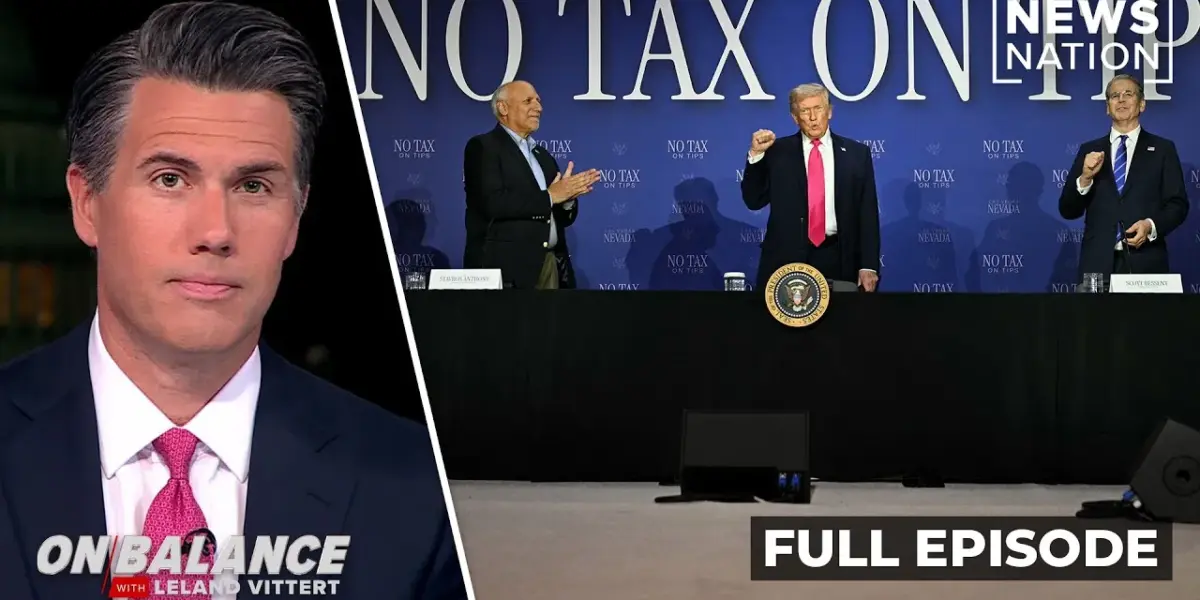
Tax Day has come and gone, a day that for some, was meant to signal a new era of prosperity. Republicans promised an “America’s golden age,” where everyone, not just the wealthy, would share in the nation’s riches.
They pointed to tax cuts on tips and overtime, along with tariffs they believed would boost the economy. Yet, for many Americans, the promised golden age feels more like a struggle to keep up.
While some economic indicators, like the stock market, have reached record highs, the average person’s experience tells a different story. High prices for everyday necessities are a constant worry.
Gas prices have surged significantly, and the cost of groceries has climbed steadily over the past five years. This economic pressure means that even those earning more money today may not feel as financially secure as they did a decade ago.
The Disconnect Between Numbers and Feelings
The economy might look good on paper, but it’s not translating into positive feelings for most Americans. A recent poll shows that a vast majority believe the economy is getting worse, not better.
This sentiment is deeply personal, reflecting the daily challenges people face. The average tax refund, while a welcome boost, hasn’t kept pace with the rising costs of living.
The cost of raising a child has also increased substantially, adding another layer of financial strain for families. For those living in states with a higher cost of living, like California or Hawaii, the pinch is even more severe. These rising expenses create a sense of unease and make people feel poorer, despite any official economic gains.
Economic Policies Under Scrutiny
Both the Trump and Biden administrations have faced similar challenges: trying to convince the public that their economic policies are working, even when people feel the economic pain. For Biden, it was the “Build Back Better” plan and the Inflation Reduction Act; for Trump, it’s the promise of tax cuts and a booming economy. However, economic talking points alone haven’t swayed public opinion.
The core issue seems to be that people’s feelings about the economy are more powerful than the statistics. When gas prices jump nearly 40% or grocery bills rise, it directly impacts household budgets. The disconnect between official economic reports and personal financial experiences is a major hurdle for any administration.
The Role of Global Events and Tariffs
The conflict in Iran has been cited as a major factor in rising gas prices. Some argue that the economic pain is a necessary consequence of addressing global threats.
However, others point out that tariffs, intended to help the economy, may have instead increased the cost of goods consumers regularly buy. This has led to inflation in items like clothing and cars.
The strategy of telling people to endure short-term pain for long-term gain is a difficult political message to sell when people are struggling now. The comparison is often made to blaming external factors, like the war in Ukraine, for price hikes. However, when a president is directly involved in the events that lead to economic hardship, the responsibility is often seen as resting squarely on their shoulders.
Tax Refunds vs. Increased Expenses
When comparing tax refunds to increased household expenses, the numbers can be stark. A significant rise in gasoline costs, even if gas prices peak at a certain level, can easily outweigh the average tax refund. This highlights the challenge of communicating economic policy success when daily expenses are rising faster than the relief offered.
The current tax cuts, while providing some relief, were voted against by many Democrats who now advocate for making things more affordable. This creates a political paradox. The average family’s gain from tax cuts is often overshadowed by the increased cost of living, leading to frustration and a feeling of being left behind.
Partisan Divide and Consumer Sentiment
There’s a clear partisan divide in how people view the economy. Republicans tend to have a more positive outlook when a Republican is in the White House, and Democrats feel similarly when a Democrat is in charge. This suggests that political affiliation plays a significant role in economic perception.
However, recent data shows a worrying trend for the Trump administration: a significant drop in consumer sentiment, even among Republicans. This indicates that the economic challenges are starting to impact even those who would typically be supportive. The feeling of being poorer and scared is becoming widespread.
The Iran Conflict and Economic Stability
Resolving the conflict in Iran is seen by some as key to stabilizing gas prices and, by extension, the broader economy. When energy prices rise, the cost of almost everything else tends to increase because energy is so fundamental to production and transportation. Getting this situation resolved is viewed as a critical step toward economic relief.
However, the idea that simply ending the conflict will immediately bring prices down is met with skepticism. Gas prices often rise quickly like a rocket but fall slowly like a feather. The timing of any potential price drop, especially during peak driving season, could lessen the perceived benefit.
The Iran War: Legacy vs. Political Pain
President Trump faces a difficult balance between his long-term foreign policy goals concerning Iran and the immediate political consequences of the ongoing conflict. His desire to end the war and avoid a “forever war” is clear, but the short-term economic pain caused by the conflict is a significant political liability.
The strategy of declaring victory or hoping the conflict simply goes away is a risky one. While the Iranians might also want the conflict to end, their survival can be seen as a victory for them. This dynamic makes a swift and decisive resolution challenging, especially when the public is feeling the economic strain.
Is a Deal with Iran Possible?
Senator Ted Budd suggests that Iran coming to the table is a sign they want the conflict to end, but it doesn’t necessarily mean they are reasonable. The risk remains that Iran could be playing for time, a tactic that has been seen with other nations. The bottom line for the U.S. remains preventing Iran from obtaining nuclear weapons.
The current strategy involves maintaining a blockade to squeeze Iran’s economy, aiming for a successful outcome where Iran never gets a nuclear weapon. The hope is to avoid a prolonged conflict while ensuring national security interests are met. However, the effectiveness and political implications of this approach are still being debated.
The Problem with Congress
Beyond economic and foreign policy concerns, there’s a pervasive dissatisfaction with Congress itself. A vast majority of Americans disapprove of Congress, viewing it as ineffective and self-serving. This sentiment is fueled by numerous scandals involving both Republican and Democratic members.
Allegations of sexual misconduct, affairs, and financial impropriety have plagued Capitol Hill. Despite these issues, many accused members refuse to resign, leading to a sense of a lack of accountability. The public’s trust in elected officials appears to be at an all-time low.
Accountability and Workplace Conduct
The discussions around misconduct in Congress highlight a broader issue of accountability. Many believe that Congress is not equipped to police itself effectively, especially when issues are widespread. The use of taxpayer money to settle these cases further fuels public anger.
There’s a call for higher standards, particularly for those in public service. The desire for women to advance their careers without facing inappropriate behavior from those in power is a key concern. Ensuring a safe and respectful workplace for all, regardless of gender or position, is seen as essential.
The Culture of Performance Over Substance
Some experts suggest that the incentives in Washington D.C. Now favor “performance artists” who gain social media attention over serious legislators. This focus on optics and public performance, rather than substantive policy-making, is seen as contributing to the decline in effective governance.
This shift in focus means that important issues may be overlooked, and the public’s trust continues to erode. The belief that Congress is out of touch and unwilling to address its own problems is a common refrain. Without genuine reform and accountability, the current downward spiral is likely to continue.
Looking Ahead
As the nation grapples with economic pressures and political challenges, the coming months will be crucial. The impact of global events on domestic prices, the effectiveness of current foreign policy strategies, and the urgent need for reform within Congress will all shape the future. The public’s demand for accountability and tangible improvements in their daily lives remains a powerful force.
Source: Tax relief meets rising prices; SCOTUS opening | On Balance Full Show 4/15 (YouTube)

Related Articles
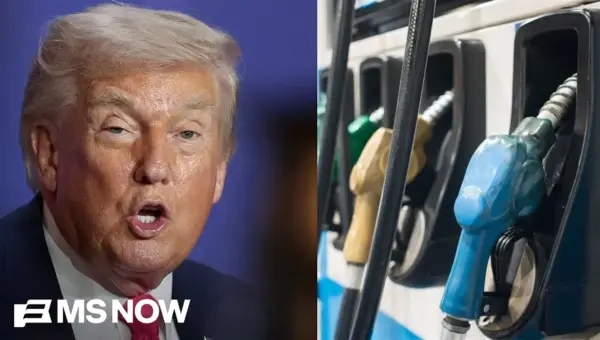
Trump Downplays Gas Prices Amid Voter Blame
President Trump stated gas prices are "not very high," but a recent poll shows 65% of voters blame him for the increase. Experts predict prices will remain high through fall, impacting voter concerns ahead of elections. The discussion also covers shifting voter coalitions and broader geopolitical implications.


Stocks Hit Record High Amidst Global Turmoil
The stock market has reached a new record high despite ongoing global conflict and rising inflation. Analysts note that market performance can diverge from economic reality, with potential risks of stagflation. Investors are advised to focus on long-term strategies and avoid emotional decisions during market volatility.
Congress Extends FISA by 10 Days Amid Privacy Debates
Congress has granted a 10-day extension for FISA surveillance authority, pushing the deadline to April 30th amid ongoing privacy concerns. Lawmakers are also grappling with budget battles, particularly for the Department of Homeland Security, exploring reconciliation bills to secure funding. Discussions also highlighted the positive impact of recent tax relief measures on American consumers and small businesses.