China’s Pillars Crumble: Hospitals, Banks, Temples Fail
China's economic struggles are hitting ordinary citizens hard. Hospitals are closing while overloaded, banks are restricting withdrawals, and religious sites are under state control. This systemic stress reveals a society prioritizing its own survival over people's well-being, leading to widespread insecurity and a loss of upward mobility.

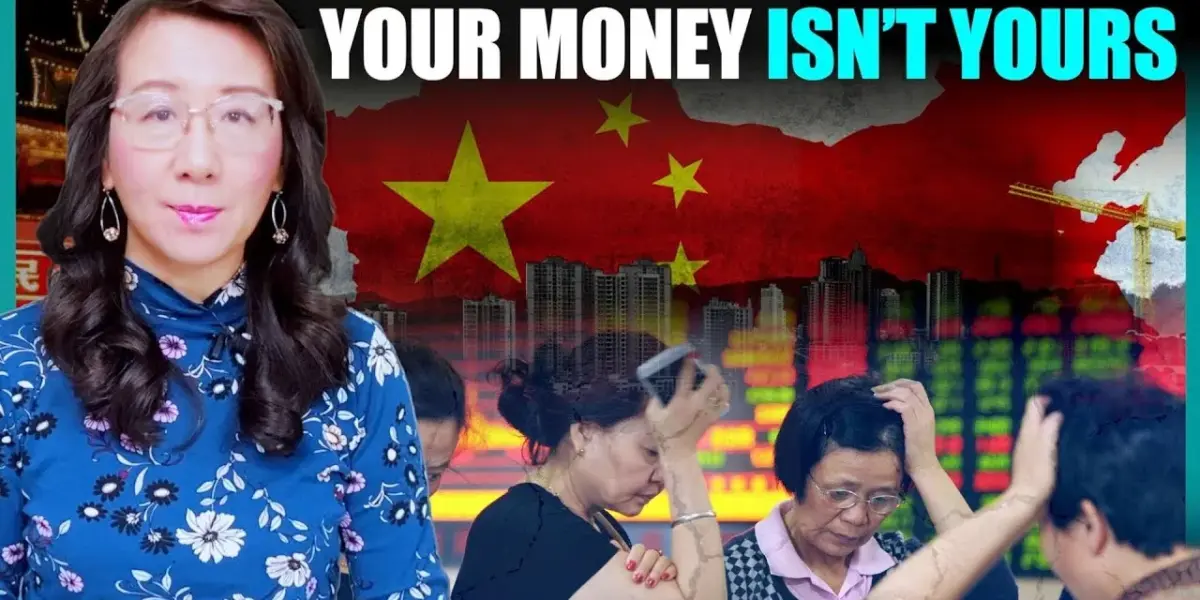
China’s Pillars Crumble: Hospitals, Banks, Temples Fail
The economic challenges facing China are no longer distant numbers. They are real struggles affecting everyday people. Hospitals are overflowing yet closing.
Young people fight for low-paying jobs. People can’t access their own money in banks. This isn’t just an economic slowdown; it’s a system under immense stress.
Healthcare in Crisis
Hospitals should be stable, especially during health crises. People get sick no matter the economy. Yet, many hospitals in China are shutting down.
This includes private hospitals and even public ones. In 2024, private hospitals closed at a rate of 1.4 per day.
This number jumped to seven per day in the first half of 2025. Some large hospitals with massive investments have gone bankrupt, leaving behind huge debts and unpaid staff.
Even public hospitals are struggling. In Guangdong, a well-off province, a public hospital suspended operations after not paying staff for ten months. Doctors explain that the medical insurance fund was drained during COVID lockdowns.
This means reimbursements dropped, gutting hospital income. Larger hospitals are overwhelmed but lose money on each patient.
Smaller ones close due to a lack of patients. This widespread collapse signals a serious fiscal crisis and a breakdown in public services.
Banks: A Fortress Turned Trap
Banks are supposed to be safe places for our money. In China, this trust is being broken. People are reporting difficulties withdrawing their own funds.
Banks use anti-fraud rules to question and delay customers. Accessing your money now requires explaining its source and intended use. Depositing money is easy, but large sums can lead to intense questioning about taxes and income.
Worse still, some deposits are simply disappearing. Stories have emerged of life savings vanishing from accounts. In one case, a woman’s $80,000 deposit in a postal savings bank became zero.
When she sought answers, the bank sent a lawyer to warn her against speaking out. Other reports detail large deposits being taken without consent and loaned to developers who then collapsed.
The banks refuse to repay the customers. This indicates a serious breakdown in financial trust, with over 440 banking institutions dissolving and 9,000 branches closing in 2025 alone.
Religious Sites Under State Control
As financial and healthcare systems face strain, even religious sites are being targeted. Reports show armed police and military presence at historic temples.
Many sites are under military-style management, with entrances blocked. This campaign is expected to continue through 2027, involving multiple government agencies.
The government claims these actions are for management and security. However, some believe it’s a response to people seeking spiritual comfort in hard times. Communism is meant to be the only faith.
Another reason is fiscal pressure. Temples are often run as profitable tourist attractions. In an economic downturn, donations increase.
Revenues from temples are now being redirected into state-controlled channels, possibly to support government spending and defense. Temples are becoming ‘ATMs’ for the state.
The Labor Market: Survival Over Stability
The pressure on all these sectors ultimately hits the labor market. Office buildings and industrial parks are quieter. Shops are closing.
Wages have plummeted, especially in smaller cities. Jobs like receptionists now pay as little as $140-$160 a month, wages not seen in 30 years. Even highly educated individuals with PhDs are competing for basic teaching jobs.
Having a job doesn’t guarantee payment. A Beijing company, jointly owned by the Ministry of Public Security, reportedly withheld wages for two years, owing over $11 million to more than 300 employees. When workers protested, the company threatened to suspend their social security.
This shows that even state-backed companies are failing to pay their staff. The focus has shifted to stability, with people willing to pay bribes for seemingly secure government jobs, even if the pay is extremely low. Some Chinese workers abroad, earning much more, would rather face conflict than return to China’s economic hardship.
Why This Matters
The situation in China reveals a system prioritizing its own survival over its people’s well-being. Institutions meant to protect are now extracting resources. This is not just an economic adjustment; it’s the system’s bill coming due.
The widespread failures in healthcare, finance, and employment create deep insecurity. This insecurity drives people to seek stability at any cost, even if it means accepting poverty-level wages or paying exorbitant fees for basic security.
Trends and Future Outlook
The trend shows a closing door for upward mobility in China. The number of homeless people has increased fivefold since 2020, with a majority under 33. This suggests a growing population of displaced individuals.
The gig economy offers little relief, with delivery drivers earning barely enough to survive. External shocks, like global conflicts, further strain the system, making international travel difficult and expensive for ordinary citizens.
The government’s actions, from controlling religious sites to state-owned companies withholding wages, point to a desperate attempt to maintain control and extract resources. The economic reality on the ground is far more telling than official statistics. The system’s logic prioritizes its own survival, passing the cost onto its citizens.
As of April 2026, over 500 temples have reportedly been closed or rectified. The focus on securing government jobs, even with minimal pay, highlights a profound fear of uncertainty. This desperation for stability, coupled with declining wages and disappearing savings, paints a stark picture of China’s current economic reality.
Source: When Jobs, Banks, and Wages All Shift at Once: China’s Economic Reality (YouTube)

Related Articles


US Navy Blockade Cripples Iran’s Trade, Shifts Global Power
The U.S. Navy's blockade of Iranian ports is crippling the nation's economy and trade, with significant ripple effects on China. This aggressive economic pressure aims to isolate Iran financially, while domestic debates in the U.S. focus on balancing national security with citizen privacy.


Germany’s Healthcare System Faces Deep Crisis
Germany's renowned universal healthcare system is facing a significant crisis, marked by understaffed hospitals and long patient wait times despite high spending. Experts point to funding inefficiencies, including a loophole allowing some to opt out of public insurance, and the impact of an aging population as key contributors. The government is pursuing reforms, but the system's stability remains a concern.


Cuba’s Hospitals Fight Power Outages Amid Crisis
Cuban hospitals are facing a critical energy crisis, leading to widespread power outages that endanger patient care. Essential treatments like chemotherapy are threatened as life-saving medicines risk spoiling and equipment fails during blackouts. The crisis also cripples daily life, with fuel shortages and dark streets adding to the widespread hardship.