Europe Faces Jet Fuel Shortage Risk This Summer
Europe faces a potential jet fuel shortage this summer, with experts warning of as little as six weeks of reserves if the Strait of Hormuz remains blocked. The crisis could lead to flight cancellations, reduced services, and significantly higher ticket prices across the continent. Airlines are closely monitoring the situation, which echoes past oil crises and threatens to disrupt peak travel season.

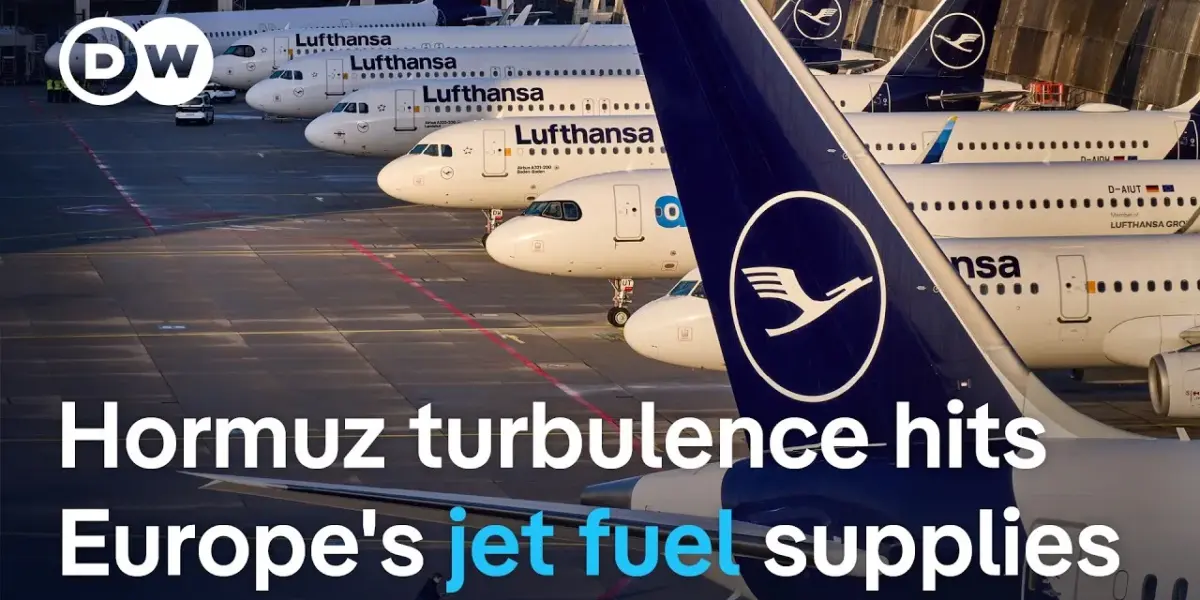
Europe Faces Jet Fuel Shortage Risk This Summer
European air travel could face significant disruptions this summer due to a looming jet fuel shortage. The crisis stems from ongoing tensions in the Strait of Hormuz, a vital shipping lane.
Experts warn that if the strait remains blocked, Europe could have as little as six weeks of jet fuel reserves left. This situation poses a serious threat to summer travel plans, potentially leading to flight cancellations and soaring ticket prices.
Strait of Hormuz Blockade Triggers Fuel Concerns
The conflict in Iran, which began nearly seven weeks ago, has disrupted shipping in the Strait of Hormuz. This disruption threatens the global supply of oil and, consequently, jet fuel.
The International Energy Agency (IEA) has issued a stark warning: Europe has only about six weeks of jet fuel remaining. If the Strait of Hormuz cannot be reopened, refineries may halt operations, directly impacting fuel availability for airlines.
Asia and Europe Brace for Impact
Asian countries, heavily reliant on Middle Eastern energy supplies, are already feeling the brunt of the crisis. Japan, Korea, India, China, Pakistan, and Bangladesh are among those most affected. The impact is expected to spread to Europe and the Americas soon after.
The situation could lead to higher prices for gasoline, gas, and electricity. In a worst-case scenario, certain petroleum products might disappear from markets altogether.
Aviation Experts Sound Alarm
Aviation experts are taking these warnings very seriously. Richard Levy, a former airline transportation pilot and aviation expert, confirmed the gravity of the situation.
He explained that airlines are closely monitoring fuel supplies on a day-to-day basis. While major hubs like London Heathrow and Frankfurt may initially have better access to fuel due to larger delivery volumes, smaller airports could be affected sooner.
Gradual Impact on Flights Expected
The impact on air travel is likely to be a gradual process. Initially, less profitable routes between smaller cities might see service reductions. As the fuel shortage worsens, flight cancellations will increase.
Prices will also rise, making air travel more expensive for consumers. Airlines are already planning for various scenarios, assessing fuel availability at major airports like Dallas Fort Worth, JFK, and Chicago O’Hare.
Learning from Past Crises
The current situation draws parallels to the oil crisis of the 1970s. During that period, airlines learned valuable lessons in fuel management.
These strategies, still in use today, include optimizing flight routes, flying at higher altitudes, and using the most fuel-efficient aircraft. These practices helped airlines adapt during past energy crises, including those during the Gulf Wars and even after 9/11, although the latter saw a temporary dip in air travel demand.
Budget Airlines and Fuel Contracts
Contrary to some assumptions, budget airlines may not be the first to face severe fuel shortages. While they operate numerous smaller aircraft, many have secured fuel contracts, known as futures, extending through the summer.
This means their fuel prices are somewhat locked in, potentially providing them with a stable supply. Larger airlines also manage fuel day-to-day, but the overall supply remains a concern.
Worst-Case Scenario for Summer Travel
If the fuel supply does not stabilize soon, the worst-case scenario for European aviation is significant disruption during the peak summer travel season. Passengers could face widespread cancellations and fewer available flights.
Ticket prices are expected to climb, although wealthier European customers may be more willing to pay higher fares. While travelers might eventually reach their destinations, the journey could be fraught with delays and increased costs.
What to Watch Next
The coming weeks are critical. All eyes are on diplomatic efforts to reopen the Strait of Hormuz and stabilize fuel supplies.
Airlines will continue their day-to-day monitoring, and any further disruptions in the shipping lane will quickly translate into operational changes. The ability of international parties to reach an agreement will determine the extent of the impact on this summer’s air travel.
Source: Could the Iran war ground European air travel this summer? | DW News (YouTube)

Related Articles
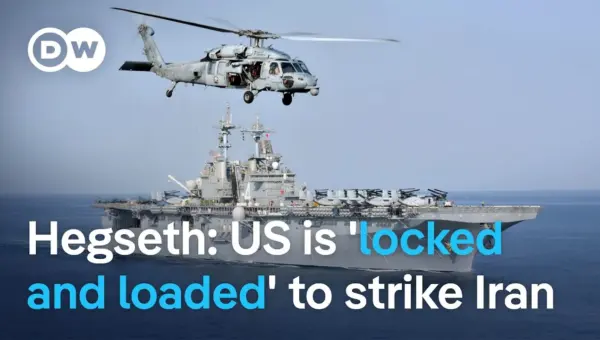
US Blockades Iran’s Oil: Economic Fury Unleashed
The United States has imposed a naval blockade on Iran's ports, intensifying economic pressure by targeting the country's vital oil exports. This move, part of "Operation Economic Fury," aims to cripple Iran's revenue streams and force concessions. Experts warn the blockade could severely choke off Iran's economy, impacting its ability to fund government operations and potentially leading to internal instability.
Iran Faces $435M Daily Hit From Economic Blockade
Iran is reportedly losing $435 million daily due to an economic blockade aimed at preventing its nuclear ambitions. This pressure follows decades of mismanagement and sanctions, weakening the nation's financial standing. The situation highlights global geopolitical risks and potential market volatility.

Markets Rally as Iran Sanctions Tighten, Europe Faces Fuel Shortage
Markets are rallying strongly despite geopolitical tensions and a critical European jet fuel shortage. The U.S. has tightened sanctions on Iran, impacting its maritime trade, while prediction markets favor a resolution by May or June. Investors are advised to maintain a long-term view amidst this complex global environment.