Fed Claims Immunity From Constitution, Ex-AG Says
The Federal Reserve's refusal to provide documents to the Justice Department has ignited a debate over its constitutional standing. Experts argue that no agency is above the law and that the Fed must cooperate with executive branch requests. Potential congressional or executive actions are being explored to resolve the standoff.

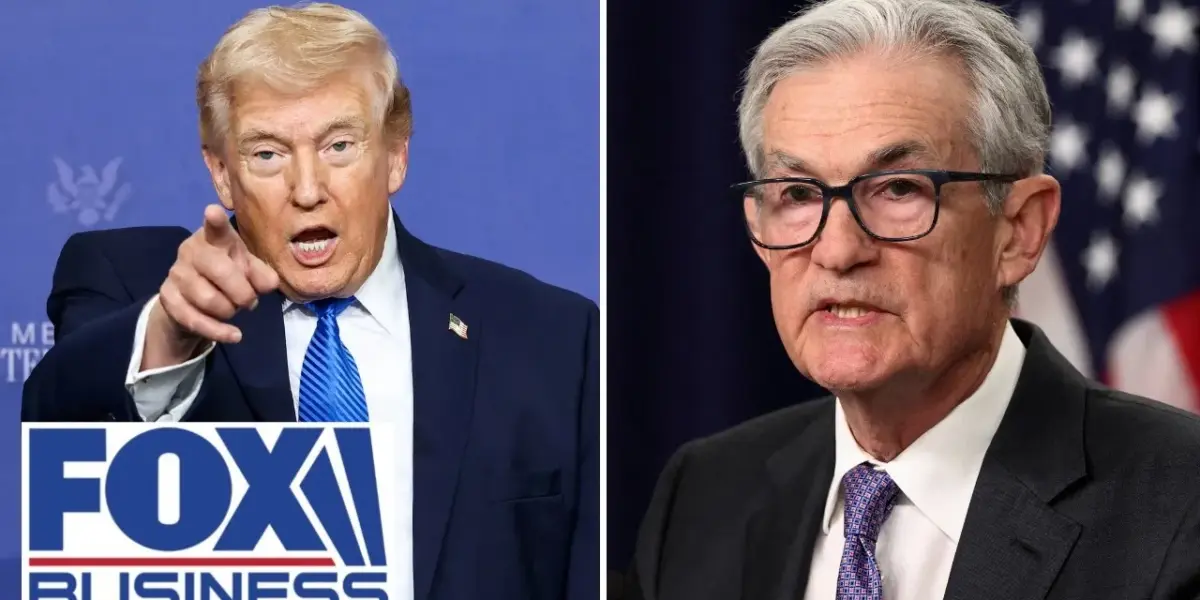
Federal Reserve Faces Scrutiny Over Document Refusal
The Federal Reserve, a key agency managing the nation’s monetary policy, is under intense scrutiny for its refusal to provide requested documents to the Justice Department. This action has sparked a debate about the agency’s independence and its place within the U.S. constitutional framework. Legal experts argue that no government agency is above the law or the Constitution, even one as powerful as the Federal Reserve.
John Yoo, a former Deputy Assistant Attorney General and law professor at UC Berkeley, stated that the Federal Reserve is an agency of the executive branch. As such, it is expected to cooperate with other executive branch agencies, including the Justice Department. By withholding documents, the Fed appears to be claiming a special status, operating outside the normal checks and balances of government.
Constitutional Questions Raised by Fed’s Stance
The core of the issue lies in whether the Federal Reserve can legally refuse a request for documents from the Justice Department. Yoo explained that all agencies carrying out federal law must be accountable to the President and follow presidential orders. The Supreme Court has previously affirmed that all branches executing federal law must answer to the President.
If the Federal Reserve’s argument for independence holds, it could set a dangerous precedent. Other powerful agencies, like the Justice Department itself or the Treasury Department, might also claim they can ignore presidential directives. This could lead to chaos and undermine the President’s authority to ensure laws are being followed and government funds are spent wisely.
Presidential Duty to Investigate
The request for documents stems from President Trump’s desire to investigate cost overruns related to the Federal Reserve’s new building. Legal scholars like Yoo argue that the President has a constitutional duty to look into potential waste, fraud, or abuse of government funds. This includes examining spending by the Federal Reserve, ensuring taxpayer money is managed responsibly.
The situation is not about criminal charges or indictments at this stage. It is about upholding a fundamental principle of governance: accountability.
The Justice Department’s subpoena for documents is part of a legitimate effort to gather information. The Federal Reserve’s refusal to comply is seen by many as a challenge to the established order.
Potential Legislative Solutions
While the legal battle unfolds, a potential path forward has been suggested involving Congress. Senator Dave McCormick, a member of the Banking Committee, proposed that the committee could conduct its own thorough investigation into the Federal Reserve matters. This congressional inquiry could run alongside or in place of a Justice Department investigation.
This approach might provide an “off-ramp” for the situation, potentially allowing for the confirmation of Kevin Warsh, whose appointment may be linked to the resolution of this issue. Mike Faulkender, former Deputy Secretary of the Treasury, supported this idea, suggesting that the Banking Committee’s investigation could be expanded. It could cover not only building costs but also broader issues like monetary policy failures leading to high inflation and supervisory shortcomings during the Biden administration.
Executive Action as an Alternative
Another proposed solution involves executive action. Faulkender suggested that President Trump could issue an executive order to create a special review committee for the Federal Reserve. This committee could be led by a figure like Secretary Bessen Charity, potentially moving the review outside the Justice Department if that appeases certain senators.
The key is to establish a formal review process. Whether conducted by Congress or the executive branch, the goal is to ensure the President’s legitimate need for information is met. This would also help address concerns that might be blocking the confirmation of nominees like Warsh.
Implications for Federal Reserve Leadership
The ongoing dispute raises questions about the future leadership of the Federal Reserve. If Federal Reserve Chair Jay Powell does not remain in his position, President Trump would have the authority to appoint a new chairman. This could include selecting someone from the current Federal Reserve Board of Governors.
Yoo suggested that President Trump might even have grounds to fire Jay Powell. Disobeying a lawful presidential order to cooperate with a Justice Department inquiry could be considered sufficient cause for removal, even under statutes that protect Fed members. This highlights the serious constitutional implications of the Federal Reserve’s current stance.
Market Impact and Investor Takeaways
What Investors Should Know: The conflict between the Federal Reserve and the Justice Department, while seemingly a political or legal dispute, has underlying implications for the stability and perceived independence of a crucial economic institution. Investors watch these developments closely as they can signal potential shifts in regulatory oversight and government influence over monetary policy.
A perception that the Federal Reserve is overly influenced by political pressures, or that its independence is compromised, could lead to market uncertainty. This uncertainty might affect interest rate expectations, inflation outlooks, and overall investor confidence. While the immediate focus is on document access and constitutional principles, the long-term effect could be a reevaluation of how such key institutions operate and are governed.
Looking Ahead
The situation remains fluid, with potential resolutions involving congressional hearings or executive orders. The fundamental principle at stake is the accountability of government agencies within the constitutional system. The outcome will likely have lasting effects on the relationship between the Federal Reserve, the executive branch, and Congress.
The Senate Banking Committee is expected to continue its deliberations, with the confirmation of nominees potentially hinging on the resolution of these important oversight issues. The coming weeks will be critical in determining how this constitutional standoff is resolved.
Source: ‘NO AGENCY’ is above the Constitution, former deputy assistant AG says (YouTube)

Related Articles

Democrats Fight Corruption With Bold New Policies
New York City's mansion tax and other Democratic initiatives highlight a growing focus on fighting corruption and economic inequality. Politicians are pushing for policies that aim to redistribute wealth and increase government accountability, seeking to connect with voters through clear messaging and tangible reforms.

DOJ Actions Raise Alarms Over Election Integrity and Political Prosecutions
Recent actions by the Justice Department, including a criminal referral related to the Trump impeachment whistleblower and efforts to overturn January 6th convictions, are raising alarms about election integrity. Legal experts warn these moves could be politically motivated and set a precedent for future interference.

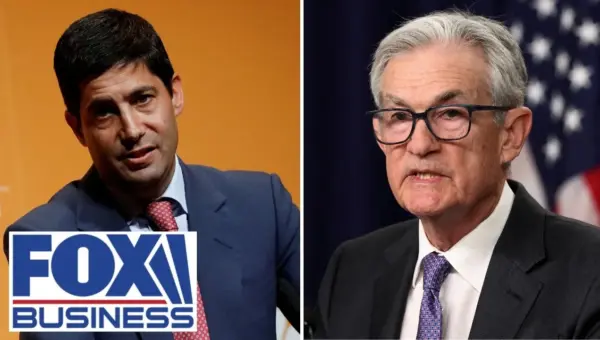
Senator Urges Fed Compliance, Cites ‘Enormous Uncertainty’
Senator Dave McCormick is urging the Federal Reserve to comply with a Justice Department request for documents related to cost overruns. He described the situation as a moment of "enormous uncertainty" and emphasized that the Fed is not above the law. The senator suggested transferring the investigation to the Banking Committee as a potential path forward.