Ukraine Strikes Russian Oil Hubs, Crimea Bases
Ukraine has successfully targeted four major Russian oil export terminals and 16 military sites in Crimea using drones. The strikes aim to disrupt Russia's war funding and degrade its military capabilities, including air defenses and missile arsenals. Officials highlight the strategic importance of these operations in weakening Russia's war machine.

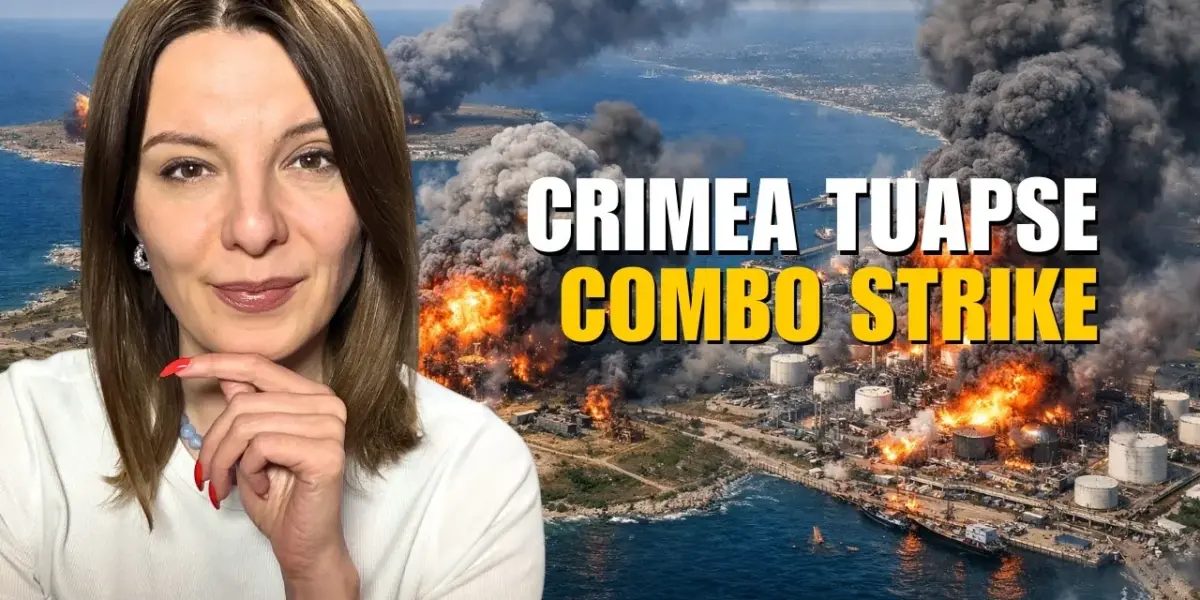
Ukraine Strikes Russian Oil Hubs, Crimea Bases
Ukraine has launched a significant drone offensive targeting Russia’s vital oil export terminals and military infrastructure in Crimea. The strikes, occurring over a single night, hit four major Russian oil export terminals, including Tuapse, Primorsk, Novorossiysk, and Ust-Luga. This action aims to cripple Russia’s ability to fund its war effort by disrupting oil revenues.
The offensive also neutralized 16 key military targets within occupied Crimea. These included oil depots, air defense systems, and crucial arsenals, such as those holding Iskander missiles. Drone production facilities were also reportedly destroyed, striking at the heart of Russia’s drone manufacturing capabilities.
Targeting Russia’s War Machine
Ukrainian officials stated these strikes are a direct response to Russia’s continued targeting of civilian areas. While Russian forces reportedly hit apartment buildings in Kyiv, Odesa, and Dnipro, killing 15 civilians, Ukrainian drones focused on legitimate military and economic targets. This distinction highlights a strategic difference in approach, with Ukraine aiming to degrade Russia’s ability to wage war.
The strikes on oil terminals are particularly significant. Russia relies heavily on oil exports for revenue.
By damaging these facilities, Ukraine seeks to limit Moscow’s financial resources. This “kinetic sanction” is seen as more durable than traditional economic sanctions, as it is directly applied on the ground.
Strategic Blow to Crimea Infrastructure
In Crimea, the destruction of air defense systems is a key objective. These systems are crucial for protecting Russian military bases, arsenals, and logistics hubs on the peninsula. By degrading air defenses, Ukraine makes it easier for its drones and potentially other assets to strike further targets.
The targeting of Iskander missile arsenals is also a major achievement. These missiles are used by Russia to strike Ukrainian cities.
Destroying them directly saves innocent lives and reduces the threat to Ukrainian civilians. The neutralization of drone production facilities further weakens Russia’s offensive capabilities.
Broader Implications for the Black Sea
The attacks on Tuapse and Novorossiysk in the Black Sea, along with Primorsk and Ust-Luga in the Baltic, effectively paralyze operations at four major Russian oil export points. This demonstrates Ukraine’s growing capability to project power across significant distances and impact Russia’s economic lifelines.
Control over the Black Sea has been a critical element of the conflict. Ukraine’s successful drone operations in this area suggest a shift in naval warfare. Russia’s Black Sea Fleet, already weakened, faces further challenges in operating safely.
Russia’s Internal Strain
Ukrainian officials believe these disruptions will exacerbate internal problems within Russia. With reduced oil revenues, the Kremlin may struggle to pay salaries and maintain public support. Reports suggest growing dissatisfaction among Russians who do not receive their pay and fear for their savings, potentially shaking the system from within.
The narrative presented by Ukraine is one of strategic precision versus indiscriminate aggression. While Russian forces are accused of targeting civilian areas, Ukraine claims to be dismantling Russia’s military capacity. This framing aims to garner international support and highlight the human cost of Russia’s invasion.
Looking Ahead
The focus on degrading military infrastructure in Crimea is part of a larger strategy to eventually liberate the peninsula. Rather than a direct assault, Ukraine is employing a method of systematically dismantling Russia’s military presence. This approach is seen as more realistic and less costly in terms of Ukrainian lives.
The Kerch Bridge, a vital supply line connecting Russia to Crimea, is also mentioned as a potential future target. Continued destruction of military assets and logistics on the peninsula is seen as preparation for future operations, including the potential liberation of Crimea.
Source: CRIMEA TUAPSE ON FIRE: RUSSIANS IN SHOCK Vlog 1381: War in Ukraine (YouTube)

Related Articles


Ukraine Releases Video of Alleged Russian Strike on Responders
Ukraine released video footage appearing to show Russian forces targeting emergency workers who were responding to an earlier strike. The video captures a drone dropping a projectile near a group of police and medics. This alleged act raises concerns about violations of international humanitarian law.


Ukraine Strikes Deep: Russia Reels From Drone Attacks
Ukrainian drones have successfully struck Russian port facilities deep within Russia, highlighting air defense vulnerabilities and causing panic on Russian state television. The attacks aim to disrupt Russia's war economy, while Moscow struggles with internal internet restrictions and continues its propaganda efforts.


Russia Exploits Donbas Economy to Fuel Conflict
Russia exploited economic hardship in occupied Donbas from 2014-2022, forcing men into military service for income. This strategy fueled conflict and divided families by making military service the only viable job, leading to resentment when recruits suffered casualties.