US Navy Blockade Cripples Iran’s Trade, Shifts Global Power
The U.S. Navy's blockade of Iranian ports is crippling the nation's economy and trade, with significant ripple effects on China. This aggressive economic pressure aims to isolate Iran financially, while domestic debates in the U.S. focus on balancing national security with citizen privacy.

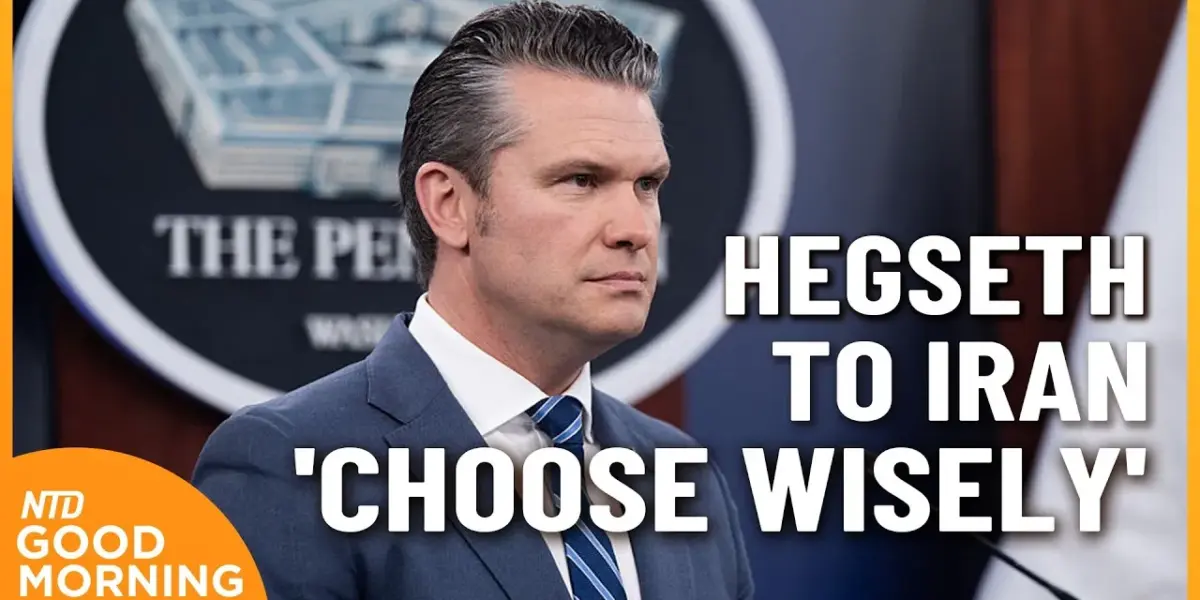
US Navy Blockade Cripples Iran’s Trade, Shifts Global Power
The United States Navy has launched a forceful blockade of Iranian ports, a move designed to choke off the nation’s ability to trade and finance its activities. This operation, described as ‘Operation Epic Fury’ and later ‘Operation Economic Fury,’ aims to isolate Iran financially and militarily.
The U.S. Central Command (CENTCOM) reported that in the initial 48 hours, no vessels successfully passed the blockade, with 10 ships being turned back. This action significantly impacts Iran, as an estimated 90% of its economy relies on international trade by sea.
White House officials, including Deputy Chief of Staff Steven Miller, have emphasized President Trump’s resolve, stating that America will not be threatened by a nuclear-armed Iran. Miller asserted that the U.S. Navy’s power allows it to control how ‘rogue regimes’ finance themselves. He also criticized NATO allies for relying on American military strength while focusing on their own welfare states, declaring that the ‘free ride is over.’ The blockade is seen as a powerful tool, capable of being sustained indefinitely to pressure Iran into changing its behavior.
Iran’s Economic Lifeline Severed
The economic consequences for Iran are dire. Experts suggest that shutting down oil wells, even temporarily, can cause permanent damage to reservoirs, potentially leading to hundreds of thousands of barrels a day being lost forever.
This blockade directly attacks Iran’s ability to fund its military and internal operations, with the regime’s survival being its top priority. The strategy appears to be to prolong negotiations and hope global economic pressure forces the U.S. to relent.
Retired U.S. Marine Colonel Grant Nam explained that Iran’s primary leverage is intimidation, scaring shipping companies with threats of missile and drone attacks. However, he noted that Iran has no real way to bypass the effective U.S. surveillance and naval presence.
The blockade is causing considerable concern within Iran and has even drawn agreement from China regarding its impact. While some maritime traffic continues for other Gulf nations, movement to and from Iranian ports has been severely restricted.
China’s Economic Pain
The impact extends beyond Iran, significantly affecting China’s economy. China relied heavily on the Strait of Hormuz for its energy needs, importing a substantial amount of oil from Iran, often at a steep discount.
With the blockade, China is now forced to seek more expensive oil from other sources, leading to higher prices for its citizens. The average gas price in China is already higher than in the U.S., and this situation exacerbates existing economic slowdowns.
Beyond oil, essential commodities for China’s agriculture and farming sectors, such as fertilizers and fuels, were also imported from Iran via the Strait of Hormuz. The end of these discounted imports creates a significant supply problem for China.
This comes at a time when the Chinese economy was already facing challenges, with the government seeking to boost domestic consumption. The loss of cheap imports from sanctioned countries like Iran and Venezuela has turned a previous advantage into a disadvantage.
Geopolitical Tensions and Domestic Policy
While the naval blockade intensifies, diplomatic efforts are also underway. President Trump mentioned that Israeli and Lebanese leaders were expected to hold talks, aiming to create ‘breathing room’ between the two nations.
These discussions followed direct talks in Washington, the first since 1993. Israel and the U.S. are also discussing a potential short ceasefire with Hezbollah.
Domestically, the U.S. is grappling with internal policy debates. A controversial spy bill, Section 702 of FISA, faced a delay in the House due to privacy concerns from Republicans who want stronger protections against government surveillance of Americans.
Negotiations are ongoing to add ‘guardrails,’ such as requiring warrants for U.S. person queries, before a vote can proceed. This debate highlights the tension between national security needs and individual privacy rights.
Why This Matters
The U.S. naval blockade represents a significant assertion of American power, directly impacting global trade routes and the economies of nations like Iran and China. It signals a shift in geopolitical strategy, prioritizing financial pressure over traditional military engagement. The success of this blockade could set a precedent for future international relations, demonstrating the effectiveness of economic warfare.
The debate over the FISA spy bill highlights the ongoing struggle to balance security and liberty today. As technology advances, so do the methods of surveillance, making these policy discussions critical for safeguarding citizens’ rights. The outcome of these legislative efforts will shape how intelligence agencies operate and how Americans’ privacy is protected from government intrusion.
Future Outlook
The blockade’s long-term effects on Iran’s economy and its ability to sustain its current regime remain to be seen. However, the immediate pressure is intense, forcing Iran to consider negotiations. For China, the economic repercussions could lead to increased domestic instability and a reevaluation of its global trade partnerships, particularly its reliance on sanctioned states.
The future of FISA reauthorization hinges on compromise between different factions in Congress. The urgency is high, as the current extension is set to expire soon. The administration’s push for its renewal highlights its perceived importance for national security operations, especially in the context of ongoing international conflicts.
Source: Hegseth to Iran: 'Choose Wisely'; DHS Worker Killed While Walking Dog | NTD Good Morning (April 16) (YouTube)

Related Articles
Iran’s War Strategy Outlasts US Patience
Iran's strategy of prolonging conflict to outlast US patience is a key factor in current Middle East tensions. While President Trump seeks an end, Iran aims to inflict economic pain. This analysis explores the military warnings, political fallout, and economic vulnerabilities shaping the standoff.
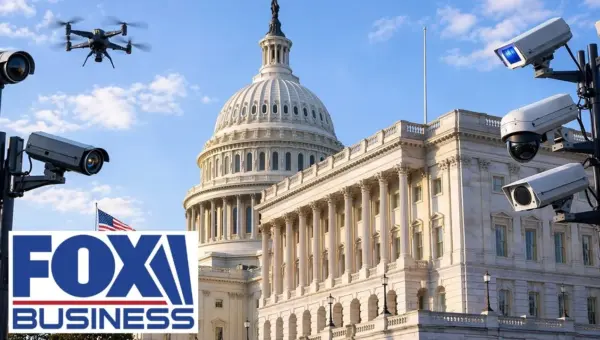
GOP Clashes Over Surveillance Powers, Budget Ahead of Deadline
Congress is embroiled in a heated debate over renewing critical surveillance powers under FISA, with Republicans divided on adding privacy protections. Simultaneously, lawmakers are tackling budget priorities, including funding for Homeland Security, and discussing the implications of tax cuts ahead of the midterm elections. Emerging concerns about Artificial Intelligence regulation are also on the legislative agenda.
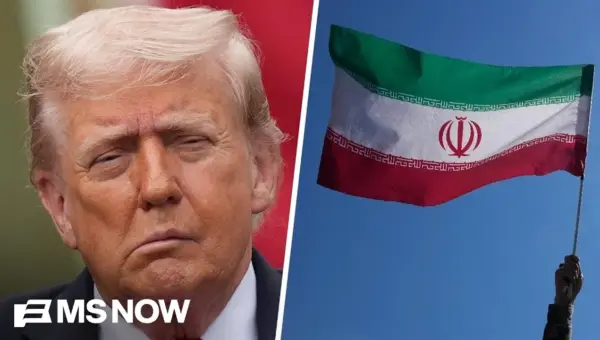
US Naval Blockade Tightens on Iran Amid Escalating Tensions
The U.S. Navy has implemented a naval blockade targeting ships entering or leaving Iranian ports, aiming to halt oil exports and pressure Tehran. This move escalates tensions following failed peace talks, with concerns mounting over global economic impacts and the long-term sustainability of the mission. Diplomatic efforts continue, though significant disagreements persist over Iran's nuclear program and regional activities.