Kyiv Hit by Deadly Russian Ballistic Missile Barrage
Russia launched a ballistic missile and drone attack on Kyiv, killing at least four people, including a child, and injuring 60. The strikes destroyed homes and businesses in a residential district, highlighting the ongoing human cost of the conflict.


Kyiv Rocked by Deadly Russian Barrage
Russian forces launched a coordinated ballistic missile and drone attack across Ukraine last night. The capital city, Kyiv, suffered significant damage and casualties. At least four people were killed, including a child, and around 60 others were injured in the capital.
The attack struck a residential district in Kyiv, destroying multiple homes and businesses. Eyewitness accounts describe the intense nature of the strikes.
One resident reported hearing air raid sirens around 1:30 AM, followed by a massive explosion just minutes later. Everything was thrown towards them, including windows and doors.
“Then we looked, everyone alive,” one resident recounted. “We grabbed the cat and dog.
We started looking for the cat because she ran away.” Another woman on the first floor sustained injuries from flying glass. Many residents reported cuts from shattered glass.
The damage assessment shows widespread destruction in the affected neighborhood. Residential buildings and commercial properties sustained severe damage. The full extent of the destruction is still being assessed by Ukrainian authorities.
Strategic Implications
This attack highlights Russia’s continued use of ballistic missiles and drones against Ukrainian cities. These weapons can travel at high speeds, making them difficult to intercept.
Ballistic missiles, like a thrown ball, follow a high arc into space before falling back to Earth. Drones, on the other hand, can loiter over targets or fly in complex patterns.
The targeting of residential areas and civilian infrastructure aims to inflict psychological pressure on the population. It also disrupts daily life and damages critical economic assets. Such attacks can strain Ukrainian air defense resources as they try to counter multiple threats simultaneously.
The casualties, including a child, highlight the devastating human cost of this ongoing conflict. International humanitarian law prohibits direct attacks on civilians and civilian objects. These strikes, if found to be indiscriminate, could constitute war crimes.
Historical Parallels
The use of long-range bombardment against civilian centers has a grim history. Cities have been targeted in conflicts for centuries, from ancient sieges to the aerial bombing campaigns of World War II. However, modern ballistic missiles and drones offer a speed and precision that amplify their destructive potential.
These types of attacks aim to break the enemy’s will to fight by making life unbearable. This strategy, known as terror bombing, has been employed by various powers throughout history. Its effectiveness is debated, but its human cost is undeniable.
Geopolitical Impact
The continued Russian attacks on Ukrainian cities intensify calls for increased international support for Ukraine’s air defense. Western allies are providing advanced air defense systems, but the sheer volume of Russian strikes presents a constant challenge. The international community is watching closely, with many condemning these actions.
The strikes also impact global discussions about arms control and the future of warfare. The effectiveness of modern air defense systems against hypersonic and drone threats is a growing concern for militaries worldwide. This event could influence future defense spending and alliance commitments.
Ukrainian authorities are working to provide aid to those affected by the attack. Efforts are underway to clear debris, repair damaged infrastructure, and support displaced residents. The resilience of the Ukrainian people is being tested daily by these relentless assaults.
Source: Russia attacks Kyiv, killing 4, including child (YouTube)

Related Articles


Russia Purges Military Brass Amid Shifting Alliances
Russia's Foreign Minister Sergey Lavrov met with Chinese officials, claiming the U.S. is shifting its focus to China and burdening Europe with containing Russia. Meanwhile, Moscow faces internal purges within its military elite, with high-profile arrests and convictions on corruption charges. Ukraine seeks continued military support amidst growing global demand for air defense systems and its own production challenges.


Hungary’s Orban Faces Ukraine War Questions
Hungarian Prime Minister Viktor Orban voted in a tense election, facing questions about his pro-Russia stance amid the Ukraine war. Polls show his party trailing a new challenger, Peter Magyar, as concerns about election interference linger.

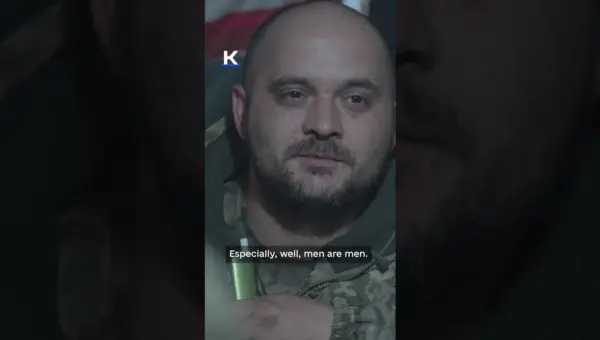
Ukraine Infantry Faces Rapid Russian Assaults
Ukrainian soldiers are facing intense combat characterized by rapid Russian assaults that can overwhelm positions within minutes. The psychological toll of this warfare is significant, with some soldiers becoming dependent on the adrenaline of direct combat. These tactics highlight a focus on speed and surprise by Russian forces.