GOP Clashes Over Surveillance Powers, Budget Ahead of Deadline
Congress is embroiled in a heated debate over renewing critical surveillance powers under FISA, with Republicans divided on adding privacy protections. Simultaneously, lawmakers are tackling budget priorities, including funding for Homeland Security, and discussing the implications of tax cuts ahead of the midterm elections. Emerging concerns about Artificial Intelligence regulation are also on the legislative agenda.

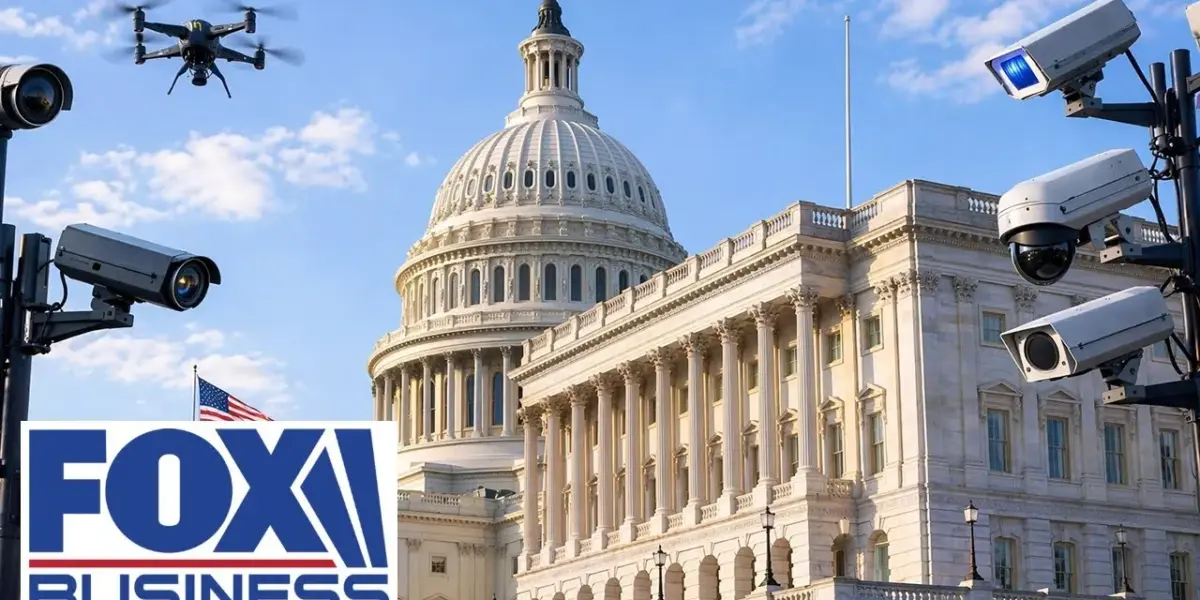
Lawmakers Scramble to Renew Key Surveillance Tools Amidst Internal Divisions
A fierce debate is erupting in Congress over the renewal of critical surveillance powers, threatening to stall vital national security operations. Republicans are locked in negotiations, aiming to pass legislation before an upcoming deadline.
At the heart of the conflict is Section 702 of the Foreign Intelligence Surveillance Act (FISA), a law that allows U.S. agencies to gather communications of foreign targets abroad. However, this process can incidentally collect information on Americans communicating with those foreign targets.
The controversy has intensified as some lawmakers demand stricter privacy protections for Americans before renewing the law. They are pushing for the inclusion of the “Save America Act,” which aims to add safeguards against potential misuse of surveillance data. This internal party division is creating uncertainty about the bill’s passage and its final form.
President Trump Urges Unity on Surveillance Bill
Former President Donald Trump has publicly called for Republican unity, urging House members to pass a “clean bill” without additional amendments. He expressed his support for enhancing privacy protections but believes these should be addressed separately after the core FISA renewal.
Trump stated on social media, “I am asking Republicans to unify, vote together on the IT. Have the vote to bring a clean bill to the floor.”
Tennessee Senator Marsha Blackburn echoed the President’s sentiment, emphasizing the need for a clean FISA reauthorization due to current global challenges, particularly in the Middle East. She believes that while the “Save America Act” is important, it should be passed through a separate process, potentially as part of a reconciliation bill or other legislative vehicle. Senator Blackburn also shared a personal experience, noting she was targeted by the Biden Department of Justice, which she says strengthens her resolve for privacy protections.
Debate Over Incidental Collection of American Data
The core of the dispute lies in how the FISA law handles data belonging to U.S. citizens. Critics argue that when foreign individuals under surveillance communicate with Americans, their digital conversations can be collected. This raises concerns about the government potentially accessing private communications of its own citizens without a warrant, even if the initial target was abroad.
Officials like Senator Blackburn explain that Americans’ communications are not supposed to be surveilled unless the foreign individual is being monitored due to actions that could harm the United States. The push for the “Save America Act” is an effort to codify stronger limitations and oversight on such incidental collection, ensuring greater privacy for all.
Budgetary Battles: Homeland Security Funding and Reconciliation Bills
Beyond surveillance, Congress is also grappling with funding priorities, particularly for the Department of Homeland Security (DHS). There is discussion about using a reconciliation bill, a legislative tool that allows certain bills to pass the Senate with a simple majority, to secure this funding. This approach is being considered because Democrats have not been willing to support measures that Republicans believe put American safety first.
The strategy involves potentially passing a “slim bill” focused on DHS funding, which includes crucial agencies like Customs and Border Protection and ICE. This comes after a previous attempt to pass a bill that excluded these enforcement officers failed in the House, causing delays. The intention is to address other priorities in subsequent legislative efforts, a strategy Senator Blackburn supports as a way to make progress on multiple fronts.
Tax Cuts and Midterm Election Outlook
The conversation also touched upon the impact of recent tax cuts, championed by the Trump administration. Treasury Department data indicates that over 53 million filers have claimed at least one tax cut benefit.
Senator Blackburn highlighted specific provisions, such as the tax on tips and an overtime and bonus deduction, which she claims are putting more money directly into taxpayers’ pockets. She stated that many Tennesseans are seeing larger refunds or lower tax bills than expected.
This economic message is being framed as a key talking point for the upcoming midterm elections. Republicans are preparing to contrast their tax policies with those of Democrats, aiming to convince voters that their approach benefits working families. Former President Trump expressed optimism that voters will recognize these achievements, believing they should prevent significant Republican losses in the midterms.
Artificial Intelligence: The Next Frontier for Regulation
The discussion concluded with a look at the rapidly evolving field of Artificial Intelligence (AI) and the need for regulatory guardrails. Reports of emergency meetings involving financial regulators and major banks highlight concerns about AI’s potential impact on financial stability. The administration has released a draft framework for a national AI policy, signaling an intent to establish guidelines.
Lawmakers acknowledge that Congress has a key role in setting these guardrails. Unlike many physical products that have built-in safety standards, the digital space, including AI, currently lacks such comprehensive oversight. The goal is to ensure public safety, protect children, and establish clear rules for commercial, legal, and military applications of AI, with a sense of urgency to finalize these policies.
Market Impact
The immediate market impact revolves around the uncertainty surrounding FISA renewal. Any delay or significant alteration to Section 702 could affect intelligence gathering capabilities, potentially impacting national security assessments and the broader geopolitical risk landscape. The ongoing budget debates, particularly concerning homeland security funding, create a backdrop of fiscal uncertainty, though these are typically resolved through continuing resolutions or appropriations bills.
The emphasis on tax cuts and economic benefits aims to influence consumer confidence and spending. If voters perceive tangible financial gains, it could translate into more stable consumer behavior.
The emerging discussion on AI regulation, while still in its early stages, signals a proactive approach to managing technological risks. Investors in AI and related sectors should monitor policy developments closely, as new regulations could shape innovation and market entry strategies.
What Investors Should Know
Investors should be aware that legislative uncertainty in Washington can create short-term market volatility. The FISA debate highlights ongoing tensions between national security needs and individual privacy rights, a theme that may persist. The focus on fiscal policy, including budget allocations and tax measures, can influence economic growth and sector performance.
The proactive steps toward AI regulation suggest a maturing understanding of the technology’s societal and economic implications. Companies involved in AI development and deployment will need to navigate an evolving regulatory environment. The upcoming midterm elections could also introduce policy shifts depending on the outcomes, affecting various industries and investment strategies.
Source: 'SPY POWERS': Surveillance fight ERUPTS before critical deadline (YouTube)

Related Articles

RFK Jr. Faces Congress on HHS Priorities, Cites ‘War on Kids’
Robert F. Kennedy Jr., testifying before the House Ways and Means Committee, voiced strong concerns about current health policies he believes are harming children, calling it a 'war on kids.' He criticized regulatory capture and called for greater transparency within the Department of Health and Human Services. Lawmakers questioned him on his vision for the agency's priorities.

Swalwell’s Capitol Hill Conduct: An Open Secret No More
Congressman Eric Swalwell's resignation followed years of 'open secret' allegations about his conduct. His staff's distrust and a formal expulsion motion finally brought the issue to light, raising questions about accountability in Washington.
House Votes to Extend Spy Powers Amid Fierce Debate
The House is debating a controversial spy bill that would renew Section 702 of FISA for 18 months without reforms. Critics worry about government spying on Americans, while supporters say it's vital for national security. The bill faces opposition from Democrats and some Republicans, despite calls for unity from former President Trump.