Rent vs. Buy: New Data Reveals Shifting Housing Landscape
Recent financial analysis indicates that renting may be more financially advantageous than buying a home in 2026, challenging the traditional American dream. Rising costs and interest rates have widened the gap between homeownership and rental expenses.

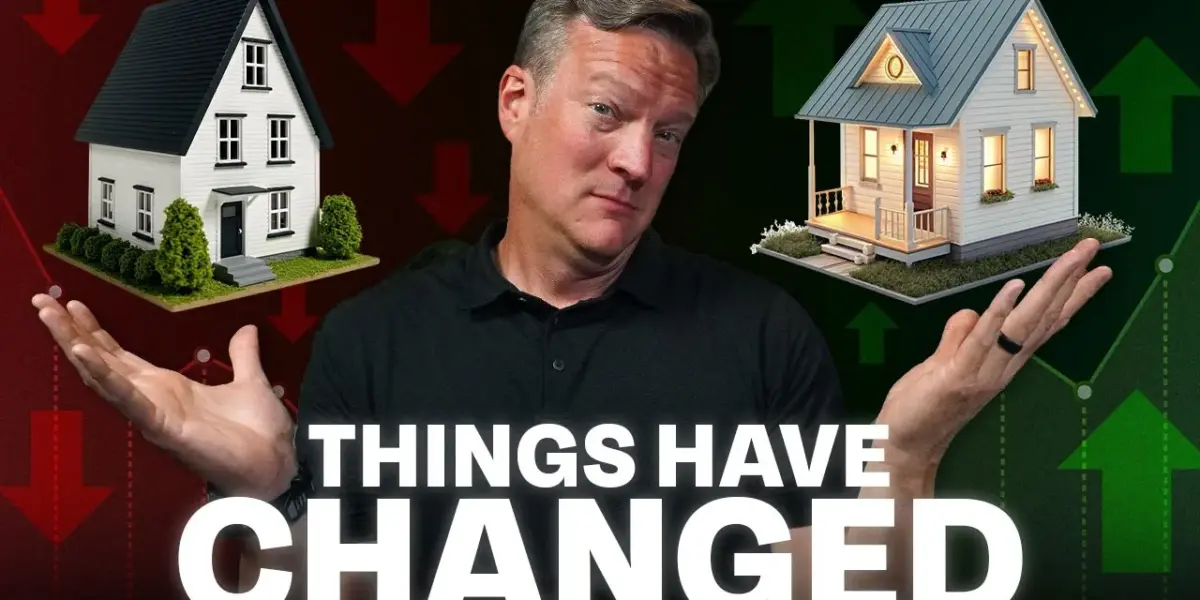
Rent vs. Buy: New Data Reveals Shifting Housing Landscape
For decades, owning a home has been a cornerstone of the American dream. However, recent economic shifts and rising costs are prompting many to reconsider this traditional path. Financial advisors are now urging individuals to look beyond societal expectations and analyze the hard numbers when deciding whether to buy or rent in today’s complex housing market.
The conversation around renting versus buying has intensified, fueled by soaring home prices and climbing mortgage rates. Many first-time homebuyers feel that owning a home is now an impossible goal, leading to concerns about their ability to build wealth. This emotional aspect often clashes with practical financial realities, making it difficult to make a clear decision.
Understanding the Current Housing Market
To navigate this decision, it’s crucial to understand the current state of the housing market. As of early 2026, the median sale price for an existing home hovers just under $400,000.
While this number provides a snapshot, historical context reveals a dramatic surge in home prices following the pandemic, with values increasing by nearly 50% in some areas between 2020 and 2022. Although prices have cooled slightly from their peak, the market remains dynamic.
Mortgage rates also play a significant role. Currently around 6.4% for a 30-year conventional loan, these rates are considerably higher than the historic lows seen after 2020. For context, mortgage rates were in a declining trend from the late 1970s until the pandemic.
A comparison shows that a 3% interest rate on a $400,000 home with 5% down resulted in a principal and interest payment of about $1,600 per month. Today, at 6.4%, that same payment jumps to nearly $2,400, a nearly 50% increase solely due to interest rates.
Affordability Challenges Persist
Housing affordability, a measure of how much of an individual’s income is needed for housing costs, has become a major concern. Traditionally, housing costs exceeding 30% of median household income signal unaffordability. Recent data suggests that homeownership costs now represent about 41% of the median household income in the U.S. This calculation includes principal, interest, taxes, insurance, and private mortgage insurance (PMI), based on a median income of over $85,000, a median home price around $391,000, and a 6.1% interest rate.
Renting is not without its own costs. The national average rent is approximately $2,000 per month, with an additional $13 for renter’s insurance.
Worryingly, one in two renters report spending more than 30% of their income on housing. Both buying and renting are currently expensive, but the gap between them is widening.
The Rent vs. Buy Equation: A Closer Look
Year-over-year rent increases have averaged around 6-8% between 2020 and 2023, totaling a 31% increase over that period. However, homeownership costs, driven by both price appreciation and interest rates, have risen even more sharply, approaching 50% for many. This disparity is significant enough to warrant careful consideration.
In a striking finding, renting was cheaper than paying a mortgage in all 50 of the largest U.S. metropolitan areas in 2025. On average nationally, mortgage payments are now 38% higher than rent, a substantial jump from just 18% in 2010. This widening gap suggests that renting might offer a more financially advantageous path for many.
Case Study: Homeowner vs. Renter
To illustrate, consider a 12-year scenario comparing a homeowner, Heather, and a renter, Randy. Heather buys a home for $343,000, putting down 5% ($17,000) with $5,100 in closing costs, totaling $22,100 upfront.
Her monthly payment (principal, interest, taxes, insurance, PMI) is approximately $2,900. Randy, the renter, has upfront costs of $850 and a monthly rent of $2,200, including renter’s insurance.
After 12 years, assuming a 2% annual appreciation for Heather’s home and a 2% annual increase in taxes and insurance, her home is valued at $435,000. She has built approximately $166,000 in equity, but her total spending over 12 years reaches $455,000, with a current monthly payment of over $3,100.
Randy, who invests his initial savings and monthly difference at an average of 8.5% annually, and whose rent increases by 2% yearly, has a portfolio worth over $198,000 after 12 years. His total spending is $357,000, and his monthly rent is just over $2,700.
In this specific scenario, Randy the renter spent approximately $100,000 less than Heather and ended up with a more liquid asset base ($198,000 in investments versus $166,000 in illiquid home equity). Randy’s monthly housing cost is lower than Heather’s. This outcome highlights how investing the difference saved by renting can lead to significant wealth accumulation.
Market Impact and What Investors Should Know
The data suggests that in the current environment, renting may be the more financially prudent choice for many, particularly in major metropolitan areas where the gap between buying and renting costs is widest. Cities like San Francisco, New York, and Los Angeles show a significant premium for buying over renting. Conversely, markets like Phoenix, Orlando, and Charlotte show a narrower gap, potentially making buying more competitive.
However, the decision is deeply personal and depends on individual circumstances. Factors such as long-term goals, desired lifestyle, job stability, and location are critical.
While investing the difference saved by renting can lead to substantial asset growth, it requires financial discipline. Homeownership still offers stability and the potential for long-term wealth building, especially for those planning to stay in a home for many years and who value the security of a fixed mortgage payment.
Ultimately, understanding local market dynamics, utilizing online calculators to compare specific costs, and considering non-financial factors like quality of life and community are essential. The decision to buy or rent is no longer a simple one but a complex financial calculation influenced by current economic conditions and personal priorities.
Source: Should You Buy Or Rent In 2026? (The Numbers SHOCKED Us!) (YouTube)

Related Articles

NYC Mayor Backs New Tax on Luxury Second Homes
New York City Mayor Zoran Mamdani is backing a new 'pied-à-terre' tax on luxury properties owned by non-residents. The annual fee targets homes worth over $5 million, aiming to generate $500 million and affect 13,000 properties. This move is seen as a political win for the mayor and a way to raise revenue from the ultra-wealthy.


Trump’s Tax Plan Boosts Refunds, Encourages Work
Treasury Secretary Scott Bessent highlighted tax benefits from President Trump's "Big Beautiful Bill Act," noting a 13% rise in tax refunds and increased overtime pay. The act also introduces "Trump Accounts" offering $1,000 seed funding for eligible children, aiming to boost savings.


Real Estate Pro Shares Path to Limitless Opportunity
A real estate agent shares how a high school record and college rejection led to a successful career. The agent emphasizes the importance of passion and a strong work ethic, working 10-12 hours daily for years without it feeling like work.