Trump’s Cuba Blockade Fuels Humanitarian Crisis
Reports indicate Donald Trump is escalating actions against Cuba, creating a severe humanitarian crisis through a three-month oil blockade. This "economic war" cripples essential services, harming vulnerable populations and pushing Cuba closer to Russia.

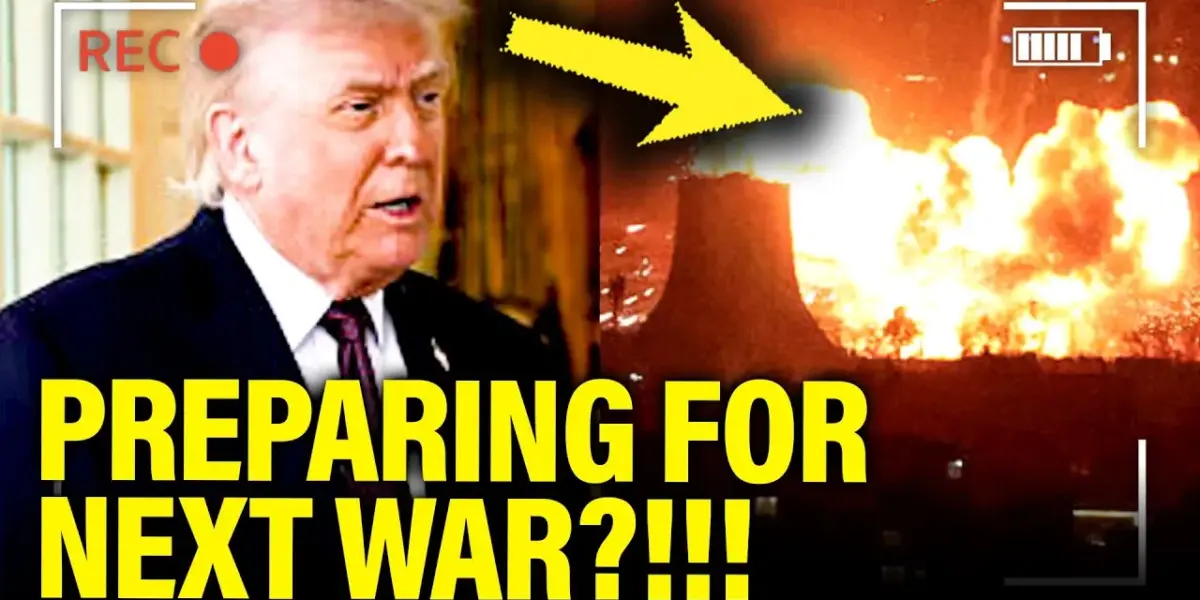
Trump’s Cuba Blockade Fuels Humanitarian Crisis
Reports suggest Donald Trump is escalating actions against Cuba, creating a severe humanitarian crisis. A recent congressional delegation found widespread suffering caused by a three-month oil blockade. This action, described as an “economic bombing,” is having devastating effects on the island’s infrastructure and its people.
Humanitarian Crisis Unfolds
The United States has blocked oil from reaching Cuba for three months, leading to rolling blackouts that can last up to 20 hours a day. This lack of electricity cripples essential services.
Hospitals struggle to perform surgeries and care for patients. Neonatal wards, vital for premature babies, are particularly vulnerable, with incubators failing when power switches to generators.
Congresswoman Jalal, who visited Cuba, described the situation as “cruel.” She noted the stark difference from her visit two years prior. The current fuel blockade exacerbates the impact of the long-standing U.S. embargo, in place for over 60 years. The lack of power affects daily life profoundly, forcing households to adapt to limited electricity, often during the night.
Impact on Vulnerable Populations
The crisis disproportionately affects the most vulnerable. Cancer patients undergoing treatment face life-threatening situations when electricity fails during surgeries.
Premature babies in neonatal intensive care units are at increased risk of death due to unreliable power for life-support machines. These conditions highlight the severe human cost of the U.S. blockade.
Trump’s Stance and Historical Context
Donald Trump has reportedly expressed satisfaction with Cuba’s dire conditions, suggesting he anticipates taking control of the island. This stance contrasts with the Obama administration’s “Cuban thaw,” which aimed to improve relations and increase economic opportunities. Trump reversed these policies, placing Cuba on the state terrorism list and increasing sanctions.
This shift has pushed Cuba closer to Russia. Russian exports to Cuba more than doubled after Trump halted the thaw.
This development echoes the historical U.S. concern over Russian influence in Cuba, a key factor in the Cuban Missile Crisis. The current U.S. policy appears to be strengthening the very ties it sought to prevent.
Economic Warfare vs. Traditional War
The current U.S. actions against Cuba are characterized as an “economic war.” Instead of military intervention, the strategy involves crippling the island’s infrastructure through sanctions and blockades. This approach, while not involving direct bombing, inflicts severe hardship on the civilian population.
Critics argue that such actions constitute war crimes, violating international law. The deliberate prevention of fuel and essential goods from reaching the island is seen as a direct attack on the well-being of its people. This strategy appears to benefit Russia, which has stepped in to supply Cuba with oil, further complicating U.S. foreign policy objectives.
Why This Matters
The situation in Cuba raises serious questions about U.S. foreign policy and its humanitarian impact. The deliberate creation of a crisis that harms civilians, particularly children and those with serious illnesses, is a grave concern. The apparent disregard for domestic and international laws, including the requirement for congressional approval for military action, is also troubling.
Looking Ahead
The ongoing crisis in Cuba, fueled by U.S. policy, highlights a pattern of escalating tensions and the use of economic pressure as a weapon. The long-term consequences for Cuba and its relationship with the United States and Russia remain uncertain. Reports suggest Trump is considering further military action, potentially escalating the conflict.
The actions taken by the Trump administration have had significant geopolitical ramifications, pushing Cuba further into Russia’s orbit. This strategy seems to be counterproductive, strengthening adversaries rather than achieving U.S. foreign policy goals. The international community watches as the humanitarian crisis deepens.
Source: SECRETS of Trump’s NEXT INVASION Finally EXPOSED… (YouTube)

Related Articles
US Demands UN Return to Roots, Fight China’s Grip
The US is pushing for significant reforms at the United Nations, aiming to refocus the organization on peace and security. Key goals include countering Chinese influence and ending the abuse of UN systems, such as China's developing nation status.
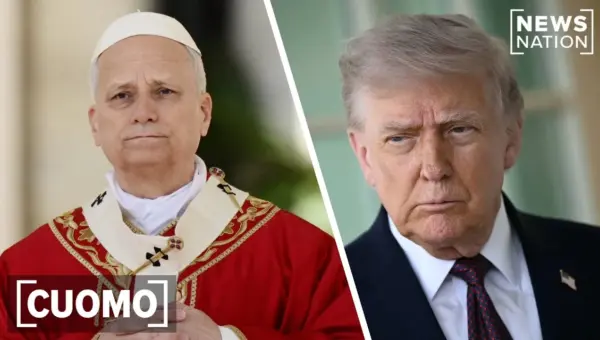
Trump and Pope Clash: Two Sides of Global Danger
Bill O'Reilly argues that both Pope Francis and President Trump are correct in their differing views on global threats. The Pope promotes pacifism for a better world, while Trump highlights present dangers requiring American power to confront them. This discussion unpacks the tension between idealistic peace and assertive action in international affairs.
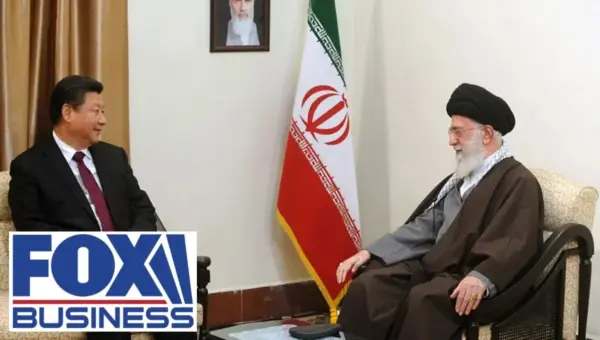
China Aids Iran, Trump to Confront Xi on Trade
President Trump plans to discuss China's alleged support for Iran with President Xi Jinping at an upcoming summit. Reports indicate Iran has used Chinese spy satellites, and concerns exist over dual-use technology transfers. U.S. actions to limit Iran's oil exports aim to pressure China, a key energy partner.