Trump’s Allies Defend His Faith Attacks, Exposing Hypocrisy
Donald Trump's attacks on Pope Francis and controversial social media posts have drawn criticism, with many allies defending his actions. This defense has led to accusations of hypocrisy, as critics question whether political loyalty is overshadowing genuine religious conviction. The situation highlights a complex relationship between faith and politics in the current era.

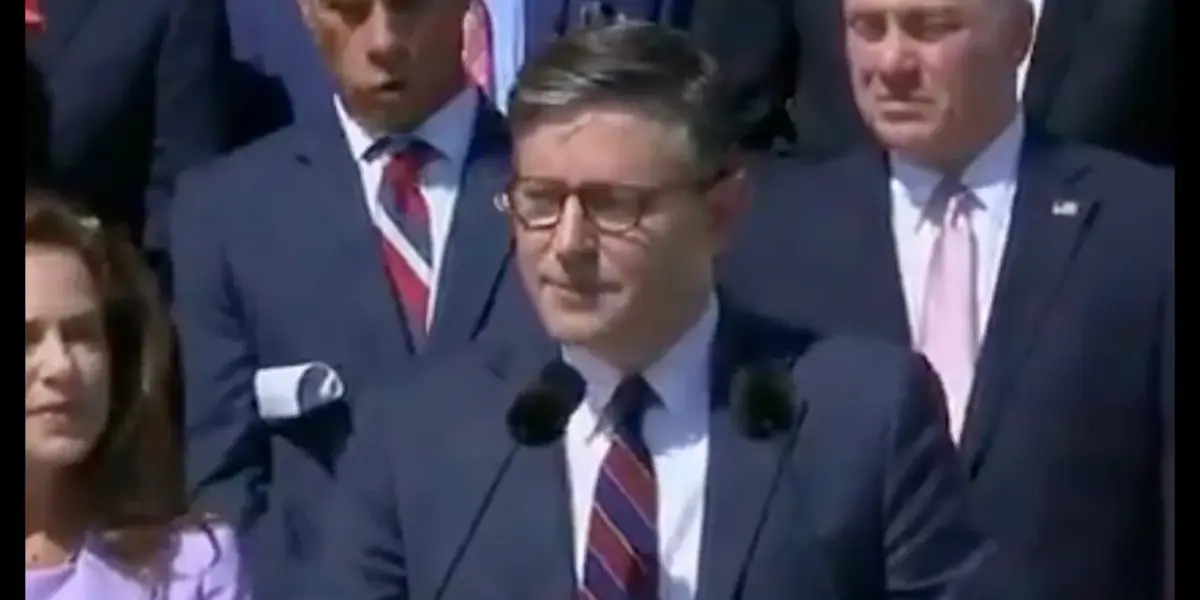
Trump’s Allies Defend His Faith Attacks, Exposing Hypocrisy
Donald Trump’s recent actions and his allies’ defenses have sparked a heated debate about faith, politics, and hypocrisy. Trump’s public comments, including attacks on Pope Francis and the sharing of an image depicting himself with Jesus, have drawn sharp criticism. Many see these actions as disrespectful and a betrayal of Christian values, yet some Republican leaders and supporters have rushed to defend him, creating a stark contrast between their words and actions.
The controversy began when Pope Francis made statements about peace and coexistence. In response, Trump lashed out, suggesting the Pope should “get his act together” and stop “catering to the radical left.” This public criticism of the Pope by a former U.S. President has raised eyebrows, especially given the Pope’s role as the head of the Catholic Church and a global figure advocating for peace. Many find it unusual for a political leader to publicly admonish a religious figure in such a manner.
Adding to the controversy, Trump shared an image on social media that appeared to show Jesus embracing him. This post was widely seen as blasphemous and inappropriate by many, including some within the Christian community. Even some of Trump’s staunchest supporters called the image “inappropriate” and “blasphemous,” stating that “God shall not be mocked.” While Trump eventually removed the image, his initial sharing of it and the subsequent defenses have fueled accusations of hypocrisy.
Republican Defenses Under Scrutiny
Speaker Mike Johnson, a prominent evangelical Christian, attempted to explain Trump’s actions. Johnson suggested that religious leaders should be careful when commenting on political matters and that political figures should expect a response.
He also invoked the “just war doctrine” to counter the Pope’s perceived stance on war, essentially trying to school the Pope on Christian theology. This move was met with astonishment, with critics questioning Johnson’s attempt to lecture the Pope on scripture.
Another prominent Republican, JD Vance, also weighed in, emphasizing the importance of caution when discussing theology. Vance stated that if one “opines on matters of theology, you’ve got to be careful” and ensure it’s “anchored in the truth.” Critics viewed Vance’s comments as an attempt to defend Trump by shifting the focus onto the Pope’s own words, rather than addressing Trump’s behavior directly. Some observers noted the irony of these politicians speaking about faith while seemingly prioritizing political loyalty over religious principles.
The repeated defense of Trump’s controversial actions by his allies has led many to question their sincerity. Critics argue that these leaders are willing to “debase themselves” for Trump, even when his actions appear to contradict core religious values. The argument is that if these individuals truly hold their faith dear, they would not go to such lengths to defend behavior that many find offensive and un-Christian.
Why This Matters
This situation highlights a broader trend of political figures using religious rhetoric to gain support, while their actions may not always align with the values they espouse. The willingness of some Republican leaders to defend Trump’s controversial statements about faith, even when they offend religious sensibilities, suggests a complex interplay between political power and religious identity. It raises questions about whether faith is being used as a political tool rather than a genuine guiding principle.
The disconnect between Trump’s actions and the religious values his supporters often champion is significant. When leaders prioritize political expediency over perceived moral or religious integrity, it can erode public trust. The criticism leveled against the Pope, a figure associated with peace and compassion, by those who claim to be devout Christians, appears contradictory to many observers.
Historical Context and Future Outlook
Historically, religion has played a significant role in American politics, with various groups seeking to align political platforms with their religious beliefs. However, the current situation seems to involve a unique dynamic where a political leader’s personal behavior is being defended by religious figures, often in ways that critics deem to be in conflict with their own stated faith. This defense of controversial actions, even when they involve religious figures like the Pope, suggests a strong allegiance to Trump himself.
The transcript notes that polling data shows declining approval for some of Trump’s policies and a general dissatisfaction with the economy. It suggests that this disconnect between professed values and actual behavior, coupled with policy concerns, might impact future elections. The idea that voters are starting to see through the rhetoric and question the judgment of leaders who align with Trump is presented as a potential turning point.
Looking ahead, the way political leaders navigate the intersection of faith and politics will continue to be a significant issue. The public’s increasing scrutiny of these dynamics may lead to greater demand for authenticity and consistency between professed beliefs and actions. The events discussed suggest a potential for a reckoning, where the public may hold leaders more accountable for their behavior, regardless of their religious claims.
The author of the transcript also promotes a new book, “The Day After: How to Wield Power in a Post-Trump World,” which explores how Republicans abuse power and how Democrats might wield it. The book aims to provide a blueprint for progressives on how to move forward. This offers a concrete next step for readers interested in the broader themes of power and political strategy discussed in the analysis.
Source: OMG: Trump utterly HUMILIATES Mike Johnson | Another Day (YouTube)

Related Articles
Trump’s Jesus Post Cracks Christian Support Base
Donald Trump's AI image of himself as Jesus Christ has sparked debate, with some suggesting he may be the Antichrist. Historian Kristen Dum analyzes this event, noting a potential crack in his Christian support base despite past controversies. The incident highlights hypocrisy and divisions within the religious right, particularly between Christian nationalists and Catholics.
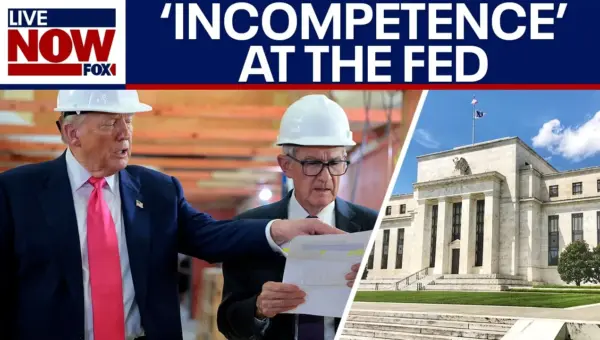
Trump Threatens Fed Chief Powell’s Job Amid Renovation Probe
President Trump has threatened to fire Federal Reserve Chair Jerome Powell if he doesn't leave his post when his term ends, citing disagreements over interest rates and the Fed's performance. The conflict is amplified by a Justice Department probe into Powell's handling of a costly Fed renovation project, which a key Republican senator is using to block a Trump nominee.
Iran Talks Resume as Trump Faces Costly Compromise
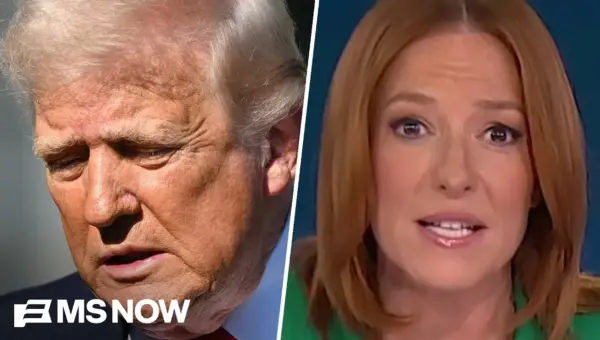
Renewed diplomatic efforts are underway as the U.S. and Iran engage in talks aimed at de-escalating rising tensions. Reports suggest a potential deal mirroring past agreements, focusing on limiting Iran's uranium enrichment. This comes after a period of conflict that saw significant costs and damaged U.S. global standing.