Chinese Scientist Jailed for Smuggling Dangerous DNA
A Chinese researcher was sentenced to prison and deportation for smuggling E. coli DNA into the U.S. Yu Huan Shang's case highlights concerns about the security of biological research materials crossing borders. This incident points to a growing need for stricter oversight in international scientific exchanges.

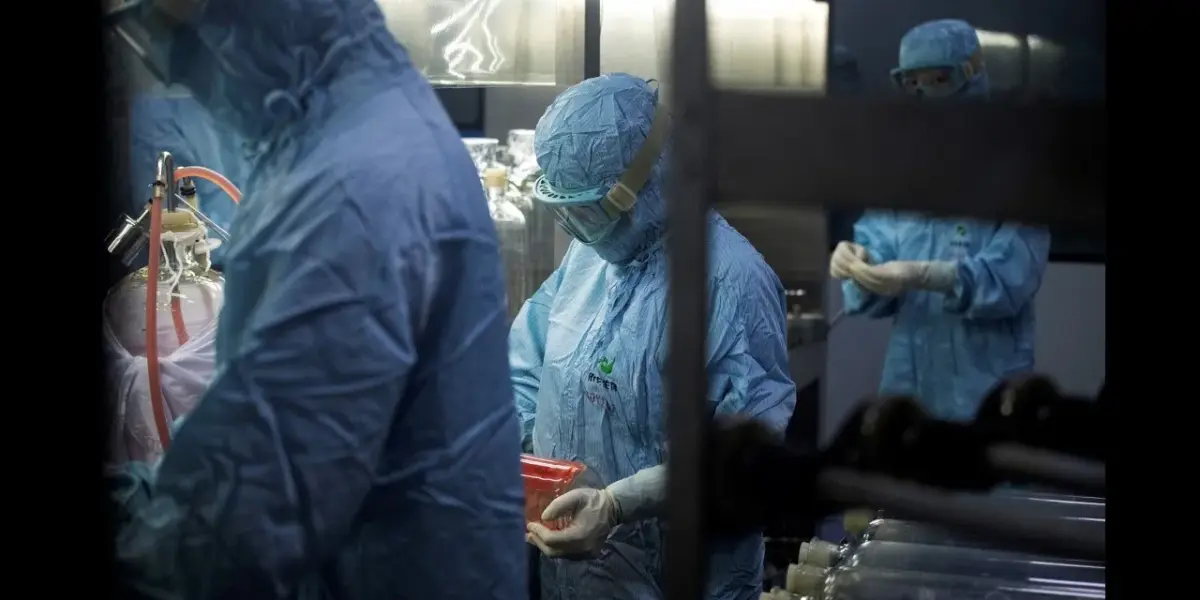
Chinese Scientist Jailed for Smuggling Dangerous DNA
A Chinese researcher has been sentenced to over four months in prison and will be sent back to China. Yu Huan Shang was found guilty of illegally bringing E.
Coli DNA into the United States. This case highlights concerns about biological materials entering the country without proper checks.
Shang came to Indiana University on a J-1 visa to study biology. He is also a member of the Chinese Communist Party. His research activities, however, led to him being noticed by the FBI.
The FBI started watching Shang after he received unusual packages from China. One package, labeled as women’s underwear, was sent from a Chinese tech company. This seemed strange to investigators, especially the sender and the label.
When Shang was stopped at a Chicago airport last year, Customs and Border Protection officers questioned him about the package. Initially, Shang claimed he knew nothing about it. However, he later admitted that the package was deliberately mislabeled.
Inside the mislabeled package, officials discovered samples of E. Coli bacterial DNA. E.
Coli is a common bacteria found in human intestines. While many strains are harmless, certain types can cause severe illness if they spread outside the gut.
An FBI agent in Indianapolis stated that bringing biological materials into the U.S. secretly is a major risk to public safety. This is because these materials could potentially be harmful or weaponized.
Why This Matters
This incident raises important questions about the security of biological research materials crossing international borders. The ease with which DNA samples could be sent, even through mislabeled packages, is concerning.
It shows how biological agents, even common ones like E. Coli, can be viewed as sensitive materials. Stricter oversight might be needed to prevent misuse or accidental spread of such samples.
Historical Context and Background
For decades, scientists have shared biological samples across the globe to advance research. This sharing has led to many medical breakthroughs. However, after events like the anthrax attacks in 2001, security around biological materials has become much tighter.
Governments worldwide now have stricter rules about importing and exporting biological agents. These rules aim to prevent dangerous pathogens from falling into the wrong hands or causing outbreaks. Shang’s case is a reminder that these regulations are actively enforced.
Implications, Trends, and Future Outlook
The trend in recent years has been towards increased scrutiny of all scientific exchanges. This is especially true for research involving genetic material or potentially harmful organisms. Universities and research institutions are likely to face more questions about their international collaborations.
We may see more checks on researchers entering and leaving countries, particularly those from nations with different security standards. This could slow down international scientific cooperation, which is often vital for progress. It also means that researchers must be extremely careful to follow all legal requirements.
The future will likely involve a balancing act. Scientists and governments will need to find ways to encourage open research while ensuring security. This could mean better tracking systems for biological samples or more training for researchers on international shipping laws.
The case of Yu Huan Shang, while specific, points to a larger global discussion about biosecurity. It is a reminder that scientific progress must go hand-in-hand with responsible handling of biological materials.
The U.S. Department of Justice will continue to prosecute individuals who attempt to smuggle biological materials into the country.
Source: Chinese Researcher Deported for Smuggling E. Coli DNA Into the US (YouTube)

Related Articles
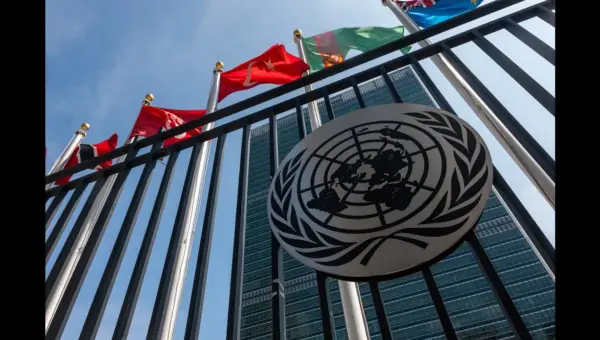
US Demands UN Return to Roots, Fight China’s Grip
The US is pushing for significant reforms at the United Nations, aiming to refocus the organization on peace and security. Key goals include countering Chinese influence and ending the abuse of UN systems, such as China's developing nation status.


UK Parliament Member Slams Trump: ‘Dangerous Gangster’
A member of the British Parliament has sharply criticized former U.S. President Donald Trump, calling him a "dangerous and corrupt gangster." This condemnation reflects growing international concern over Trump's potential return to power and his foreign policy approach. The remarks highlight a global backlash amid fears of increased conflict, particularly regarding Iran.

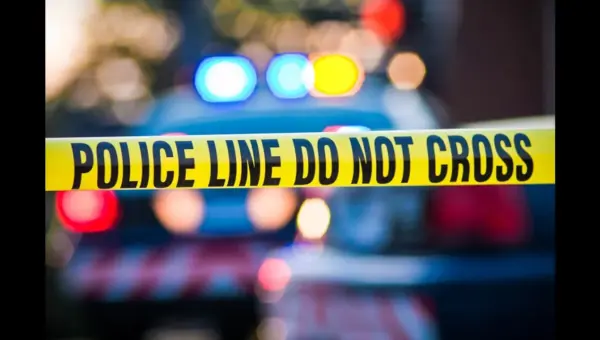
DHS Worker Slain in Random Georgia Attacks
A Department of Homeland Security employee, Lauren Bullis, was killed in a random violent spree in Georgia. The suspect, a naturalized U.S. citizen with a prior criminal record, also killed another woman and critically injured a homeless man. The DHS is mourning the loss of their colleague as the investigation continues.