GOP Senators Betray Voters, Fund Endless Wars
Senate Republicans voted against reining in presidential war powers, despite public disapproval and economic concerns. Meanwhile, a jury found Live Nation/Ticketmaster guilty of operating as an illegal monopoly, offering a rare win for consumers.

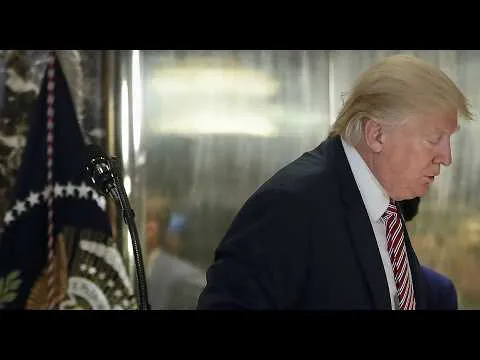
GOP Senators Betray Voters, Fund Endless Wars
In a significant vote that has drawn sharp criticism, Senate Republicans largely blocked a resolution aimed at reining in President Trump’s war-making powers, particularly concerning Iran. This move comes despite widespread public disapproval of potential military action and ongoing concerns about the economy at home. The resolution, supported by nearly all Democrats, sought to assert Congress’s constitutional authority to declare war and prevent the president from unilaterally engaging in military conflicts.
Senator Elizabeth Warren, speaking on the matter, highlighted the stark contrast between the Republican stance and the concerns of everyday Americans. “Republicans…
Have just blocked it,” she stated, pointing out that they seem content with significant military spending while citizens face rising costs for essentials like groceries and gasoline. This spending, she argued, directly contradicts promises made by President Trump to lower costs and avoid foreign wars.
Republicans Cite Iran Threat, Warren Counters
The justification offered by many Republicans for their vote centers on the perceived ongoing threat from Iran, particularly the risk of it developing nuclear weapons. They argue that military action is necessary to prevent such an outcome, framing it as a critical national security interest. This perspective suggests that inaction would be far more dangerous than the current military engagements.
Senator Warren pushed back strongly against this reasoning, questioning the logic and effectiveness of the administration’s policies. She recalled the Obama-era deal with Iran, which included strict limits and inspections, and noted that President Trump withdrew from it without securing a better alternative. This action, she argued, actually allowed Iran to increase its nuclear capabilities, making the subsequent justifications for military action seem contradictory and pretextual.
Echoes of Past Justifications
Critics, including Senator Warren, draw parallels between the current situation and past justifications for military intervention, such as the lead-up to the Iraq War. They describe a pattern where proponents of military action conjure up dire, unprovable threats to justify their preferred course of action. This approach, they contend, makes it difficult to challenge the narrative, as any disagreement can be framed as a willingness to accept catastrophic future consequences.
This pattern suggests a reliance on what some call “neocon warmongering,” where a constant stream of potential dangers is presented to support military adventurism. The argument often becomes that if one does not blindly support military intervention, they will be held responsible if disaster strikes due to perceived inaction. This creates a difficult environment for those seeking diplomatic solutions or more restrained foreign policy.
Antitrust Victory: Live Nation Found Guilty
A Win for Consumers today
In a separate but significant development, a jury found Live Nation, which also owns Ticketmaster, guilty of operating as an illegal monopoly. This ruling came after an antitrust trial where evidence, including internal company emails, suggested their business model was designed to exploit consumers through high prices and poor service. The Justice Department, under the Trump administration, had initially settled with the company, but state attorneys general continued the fight, leading to this jury verdict.
Senator Warren praised the state attorneys general for pushing the case forward when the federal government had offered a “slap on the wrist.” The jury’s decision validates the concerns of many consumers who have long struggled with Ticketmaster’s dominance in the ticketing industry. This outcome represents a rare piece of good news in the ongoing battle against corporate consolidation.
The Promise of Breaking Up Monopolies
The true importance of this ruling, according to Senator Warren, lies in the potential remedies. Antitrust law allows for companies to be broken up, creating competition where a single entity once dominated. The goal is to foster competition, which historically leads to lower prices, more innovation, and a greater focus on customer satisfaction.
This victory is a powerful reminder that antitrust enforcement can have a real impact on people’s daily lives. Issues like excessive fees, rising prices, and lack of innovation in various sectors are often rooted in a lack of competition. The Live Nation case offers a hopeful precedent for addressing these widespread consumer frustrations.
A Renewed Push for Antitrust Enforcement
The Biden administration has made strides in antitrust enforcement after decades of dormancy, moving from near-zero enforcement to a more active stance. While the Trump administration saw a rollback, the “genie is out of the bottle” as more enforcers, including state attorneys general and even some Republicans, are stepping up. Private enforcement, where competitors or consumers sue, also plays a key role.
Senator Warren emphasizes that this is not just a partisan issue but a matter of “top versus bottom” – a fight against powerful corporations that benefit from consolidation. The growing public awareness and engagement on antitrust issues, fueled by everyday frustrations with companies like Amazon and Ticketmaster, are creating momentum for stronger oversight. This moment, she believes, is one where the curtain is being pulled back on how big companies operate, leading to increased pushback.
Why This Matters
The Senate’s vote on war powers and the Live Nation verdict highlight two critical areas where policy directly impacts citizens’ lives and national interests. The failure to curb presidential war powers, especially when coupled with rising domestic costs and broken campaign promises, raises serious questions about Republican priorities. Their alignment with executive power over congressional oversight and constituent concerns suggests a deep disconnect from the economic realities faced by Americans.
Conversely, the antitrust victory offers a glimmer of hope that concentrated corporate power can be challenged. The long-standing issue of monopolies leading to higher prices and diminished services affects nearly everyone, from concertgoers to consumers of essential goods. The renewed focus on antitrust, driven by both federal and state actions, suggests a potential shift towards prioritizing consumer welfare and fair competition.
Implications and Future Outlook
The continued willingness of Republican lawmakers to grant broad war powers to the executive branch, even when economically detrimental and publicly unpopular, sets a concerning precedent. It suggests a prioritization of executive authority and perhaps foreign policy objectives over domestic economic stability and democratic accountability. The financial cost of such military actions, amounting to billions daily, could be redirected to pressing domestic needs like healthcare, childcare, and education, as Senator Warren suggested.
On the antitrust front, the Live Nation ruling is a significant win, but it is part of a larger, ongoing struggle. The success of the Biden administration in revitalizing antitrust enforcement, even if partially reversed, has laid the groundwork for continued action.
The increased involvement of state attorneys general and private litigants indicates that the fight against monopolies will likely persist, regardless of federal administration changes. This renewed focus could lead to a more competitive marketplace and better outcomes for consumers.
Historical Context
The debate over war powers has a long history in the United States, with Congress and the President often clashing over authority. The War Powers Resolution of 1973 was an attempt to reassert congressional control after the Vietnam War, but its effectiveness has been debated, especially in the context of modern conflicts and executive actions. Similarly, the rise of large corporations and the evolution of antitrust law, from the Sherman Act of 1890 to modern interpretations, reflect ongoing societal debates about the balance between economic efficiency and fair competition.
The recent resurgence of antitrust action, after a period of lax enforcement, echoes earlier eras of trust-busting. This shift suggests a growing recognition that unchecked corporate power can harm consumers and the broader economy, mirroring concerns from over a century ago. The alignment of Democrats and some Republicans on the need for greater oversight indicates a bipartisan recognition of these challenges.
The next key step in the Live Nation case will be determining the specific remedy for the monopoly. For war powers, the ongoing debate will likely continue, with future votes and potential legal challenges shaping the landscape.
Source: Senate Republicans SCREW THEMSELVES with SHOCK move (YouTube)

Related Articles
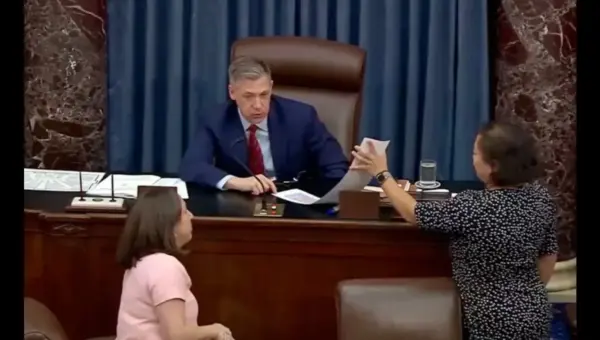
GOP Betrays Voters by Backing Costly Iran War
Republicans in the Senate voted to continue military actions in Iran, despite widespread public disapproval and rising domestic costs. This decision, seen as prioritizing party loyalty over voter concerns, could have significant consequences in upcoming elections.

Trump’s Mind Falters Amidst Wild Claims and Blasphemy
Recent events show Donald Trump making confusing claims about Iran, economic policy, and even posting an image of himself as Jesus. These incidents, coupled with his past behavior, are raising serious questions about his cognitive fitness for leadership.

Storms Rage, Live Nation Found Guilty, Markets Soar
Severe storms with tornadoes and flooding are impacting millions across the U.S. Meanwhile, Live Nation, owner of Ticketmaster, was found guilty of illegal monopoly practices. Wall Street markets hit record highs despite global tensions, while Turkey faces tragedy with two school shootings.