US Tightens Financial Noose on Iran
The U.S. Treasury is warning banks in Oman, Hong Kong, China, and the UAE about handling Iranian money for illicit purposes. This move could lead to secondary sanctions, cutting off these banks from the U.S. financial system. The administration aims to disable Iran's ability to fund terrorism and its nuclear program.

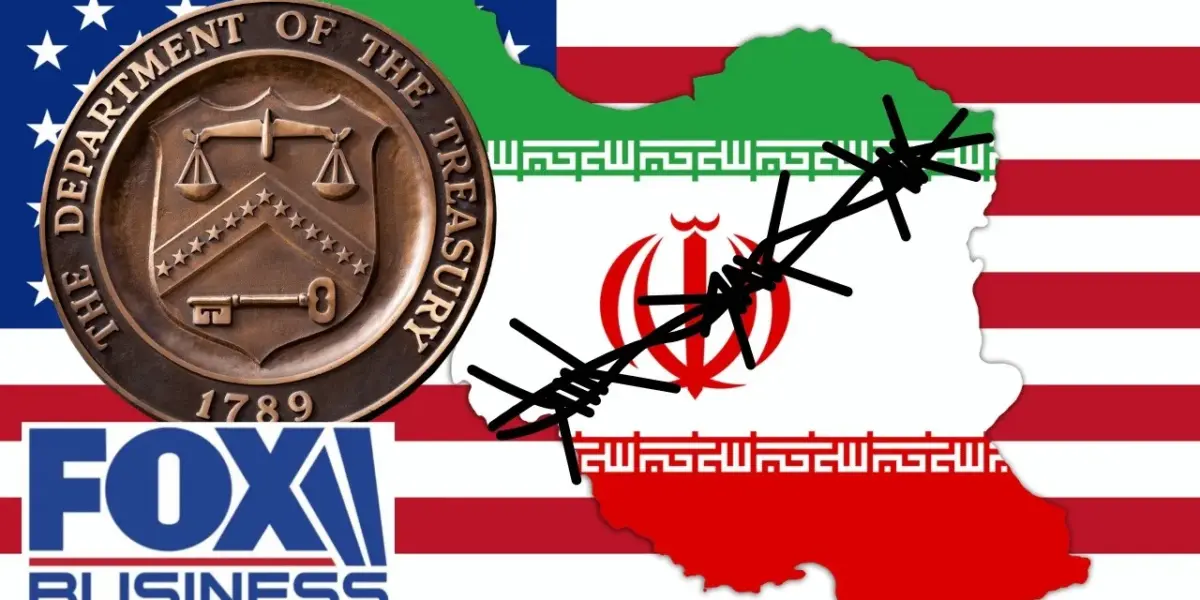
US Targets Iran’s Finances with New Sanctions Push
The U.S. Treasury Department is taking aggressive steps to cut off Iran’s access to global finances. This move aims to pressure the Iranian regime into negotiating a new deal. Banks in four key regions have received a stern warning regarding the handling of Iranian money linked to illicit activities.
A letter obtained by Fox Business details concerns about banks in Oman, Hong Kong, China, and the United Arab Emirates. These institutions have allegedly allowed money used for illegal purposes to flow through their systems. The U.S. administration views this as a critical step in disabling Iran’s ability to fund terrorism and pursue prohibited nuclear and missile programs.
Treasury Sends Warning to International Banks
The Treasury Department’s letter is a direct signal to financial institutions in these regions. It highlights the flow of Iranian money that supports harmful activities. This action is part of a broader strategy to increase economic pressure on Iran.
A senior administration official, speaking on condition of anonymity, stated that this is the first move toward imposing secondary sanctions. These sanctions could isolate targeted banks from the U.S. financial system. Such a move would significantly impact their ability to conduct international business.
Disabling Iran’s Financial Support Network
The letter explicitly states the goal: “Now is the time to finally disable Iran’s ability to support terrorism, threaten the region and global markets and to seek to continue its nuclear and ballistic missile program.” This forceful language highlights the administration’s commitment to this policy.
Treasury Secretary Steven Mnuchin has also warned companies and countries. He cautioned them against paying Iran for passage through the Strait of Hormuz. Such payments could also trigger secondary sanctions, adding another layer of financial risk.
Market Impact: What Investors Should Know
This intensified financial pressure on Iran has several potential implications for global markets. Disruptions in oil supply or increased geopolitical tensions can affect energy prices. Investors should monitor developments closely, especially concerning the Strait of Hormuz, a vital shipping lane for oil.
The administration’s decision to end waivers for Iranian oil sales also plays a significant role. These waivers, set to expire on April 19th, allowed certain countries to continue buying Iranian oil.
Their expiration means less Iranian oil will be legally available on the market. This could lead to tighter global oil supplies and potentially higher prices.
For investors, understanding these geopolitical and financial maneuvers is key. The Treasury’s actions signal a determined effort to isolate Iran financially. This strategy aims to compel a change in Iran’s behavior regarding its nuclear program and regional activities.
The move shows a clear willingness by the U.S. administration to escalate pressure. The Treasury Secretary is positioning himself at the forefront of this financial blockade. This coordinated effort seeks to isolate the Iranian regime and push for diplomatic solutions.
The expiration of the 30-day waiver for Iranian oil sales on April 19th is a critical date. After this point, legally selling Iranian oil will be significantly restricted. This aims to further wall off the Iranian regime financially, pushing them towards an agreement.
The U.S. strategy is clear: to use financial tools to achieve foreign policy objectives. By targeting Iran’s revenue streams, the administration hopes to gain leverage in negotiations. This approach reflects a belief that economic pressure can be a powerful catalyst for diplomatic breakthroughs.
Investors should stay informed about potential retaliatory actions by Iran or its allies. Any escalation could introduce volatility into energy markets and related sectors. The ongoing financial measures are designed to limit Iran’s capacity to fund its regional activities.
The Treasury’s actions are a direct attempt to influence Iran’s decision-making. By cutting off financial lifelines, the U.S. aims to force concessions. This strategy highlights the increasing importance of financial sanctions as a foreign policy tool.
The upcoming expiration of oil waivers marks a definitive tightening of the economic screws. This policy aims to prevent Iran from benefiting from oil sales. It is a clear signal of U.S. resolve in confronting Iran’s nuclear and regional policies.
The administration’s focus remains on achieving a comprehensive agreement with Iran. Financial pressure is seen as a necessary component of this strategy. The coming weeks will be crucial in observing Iran’s response and the market’s reaction.
Source: 'NOW IS THE TIME': Explosive warning as US targets Iran’s money pipeline (YouTube)

Related Articles
US Holds Economic Power Over China, Envoy Claims
A U.S. Congressman claims America holds significant power to disrupt China's economy, particularly through control over energy supplies. He highlighted China's reliance on imported oil and its food production deficit as key vulnerabilities. The Congressman expressed skepticism about China's commitments regarding arms to Iran.


Trump Sees Iran Conflict Nearing End, Cites Nuclear Deal
Former President Donald Trump believes the conflict involving Iran is nearing its end and that Iran is eager to make a deal. He cited actions taken during his presidency to prevent Iran from acquiring nuclear weapons. This potential de-escalation could influence energy markets and investor sentiment.
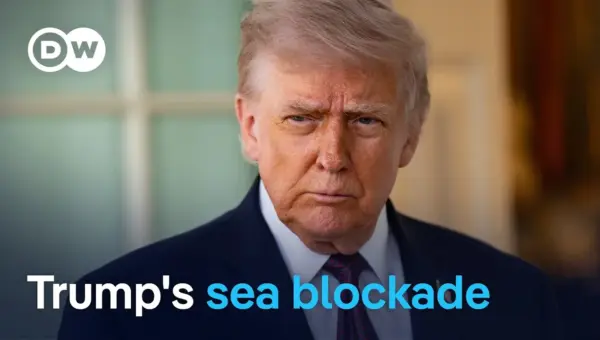
US Blocks Strait of Hormuz, Sparking Global Concern
The United States has begun blocking ships in the Strait of Hormuz, a crucial global oil transit route. This move follows a previous six-week blockade by Iran and is seen as a pressure tactic by the Trump administration. Analysts express concern over potential escalation and global economic fallout.