Trump Ramps Up NATO Criticism Amidst Iran Tensions
Former President Donald Trump has intensified his criticism of NATO, questioning its financial contributions and effectiveness amid rising global tensions. His rhetoric, particularly in the context of the war with Iran, highlights concerns over burden-sharing within the alliance. The upcoming meeting with NATO Secretary General Mark Rutte is seen as a crucial moment for discussing these issues.

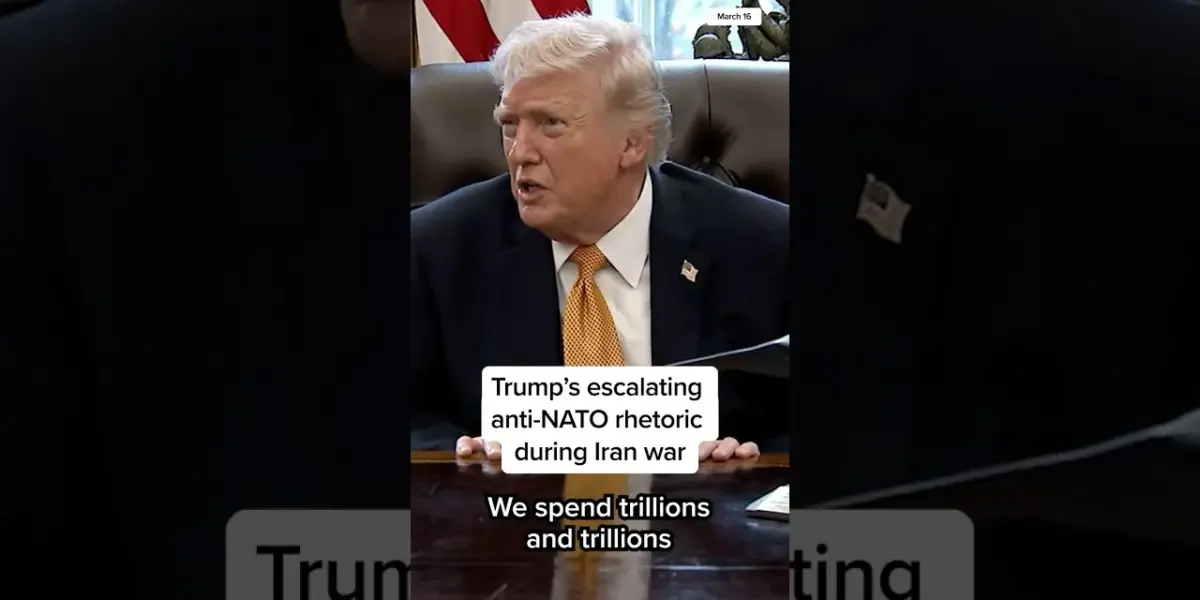
Trump Intensifies Attacks on NATO Amidst Iran Conflict
Former President Donald Trump has significantly increased his criticism of the North Atlantic Treaty Organization (NATO) in recent weeks. This escalation in rhetoric comes as global attention focuses on the ongoing conflict with Iran. Trump’s comments, made in the lead-up to a meeting with NATO Secretary General Mark Rutte, signal a continued skepticism towards the alliance’s value and purpose.
Past Month Sees Rising Anti-NATO Rhetoric
Over the past month, Trump’s public statements have increasingly targeted NATO. He has questioned the alliance’s financial contributions from member states and its effectiveness in addressing modern security challenges. These remarks suggest a potential shift in U.S. foreign policy priorities should he return to office, potentially weakening the longstanding military pact.
Focus on Iran Conflict and NATO’s Role
The timing of Trump’s renewed criticism is notable, coinciding with heightened international concern over the war with Iran. This conflict has highlighted the need for strong international alliances and coordinated responses to regional instability.
However, Trump appears to view NATO’s current structure and commitments as insufficient or even detrimental to U.S. interests in such volatile situations. His focus remains on what he perceives as unfair burden-sharing, where the United States carries a disproportionate amount of the defense spending and operational commitment.
“The alliance is built on a system where the United States pays for the vast majority of defense spending and operational commitments, while other nations contribute far less. This is not a fair arrangement and needs to be addressed immediately,” a source close to the former president stated.
Questions About Alliance Burden-Sharing
A central theme in Trump’s critique is the issue of burden-sharing among NATO members. He has consistently argued that many European nations do not spend enough on their own defense, relying too heavily on the United States.
This perspective suggests that Trump believes NATO’s current framework allows allies to benefit from collective security without contributing their fair share. He views this as an economic disadvantage for America, diverting resources that could be better used domestically.
Potential Impact on Future Security Alliances
Trump’s persistent questioning of NATO’s value raises significant questions about the future of international security alliances. If the U.S. were to significantly reduce its commitment to NATO, it could destabilize European security and embolden adversaries.
Allies might be forced to increase their own defense spending dramatically or seek alternative security arrangements. This could lead to a more fragmented and less secure global environment.
Meeting with NATO Secretary General
The upcoming meeting between former President Trump and NATO Secretary General Mark Rutte is expected to be a critical moment. It presents an opportunity for direct dialogue on these concerns.
Rutte, who has previously defended NATO’s collective security benefits and highlighted increased defense spending by many members, will likely aim to reassure Trump of the alliance’s continued relevance and the commitment of its members. The outcome of this discussion could significantly influence the future direction of transatlantic security cooperation.
Broader Implications for U.S. Foreign Policy
Trump’s stance on NATO reflects a broader ‘America First’ approach to foreign policy. This approach prioritizes perceived national interests above multilateral cooperation.
His rhetoric suggests a willingness to re-evaluate or even discard long-standing alliances if they are not seen as directly benefiting the United States. Such a shift could have far-reaching consequences, altering global power dynamics and international relations for years to come.
Looking Ahead: Future of NATO and U.S. Commitment
As the geopolitical landscape continues to evolve, particularly with ongoing conflicts like the one with Iran, the future of NATO remains a key focus. The upcoming discussions between Trump and Rutte will be closely watched for any indications of changing U.S. policy. The decisions made regarding NATO’s structure, funding, and strategic direction will have significant implications for global security and the stability of international partnerships.
Source: Trump's escalating anti-NATO rhetoric during Iran war (YouTube)

Related Articles
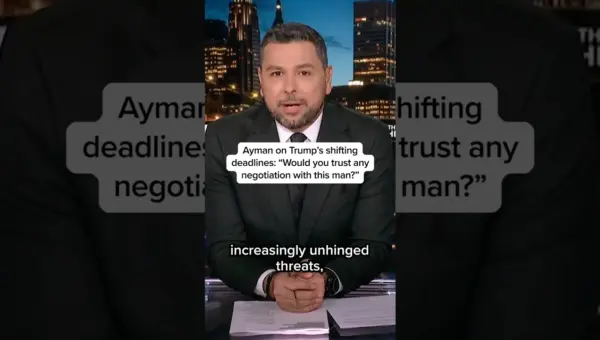
Trump’s Shifting Deadlines Raise Trust Issues in Negotiations
Journalist Ayman Mohyeldin has questioned the trustworthiness of negotiating with Donald Trump due to his repeated habit of altering deadlines. This pattern, particularly concerning Iran, raises concerns about reliability and stability in diplomatic dealings. Observers note that such inconsistency can undermine confidence and complicate future agreements.

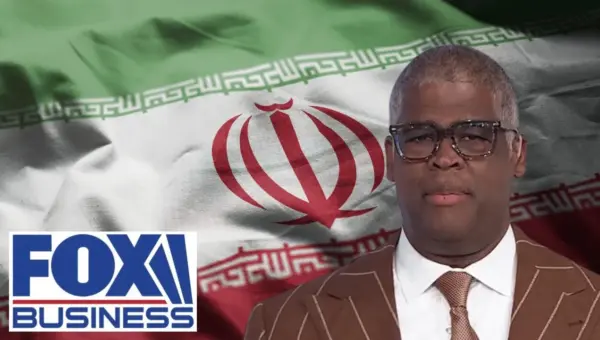
Iran’s “Media War” Threatens Trump, Markets
Iran's "media war" strategy, using Western outlets to undermine President Trump, is a key tactic alongside potential ecological warfare in the Strait of Hormuz. This approach aims to sway public opinion and could impact markets. Investors are advised to monitor geopolitical narratives and their potential effects on oil prices and regional stability.

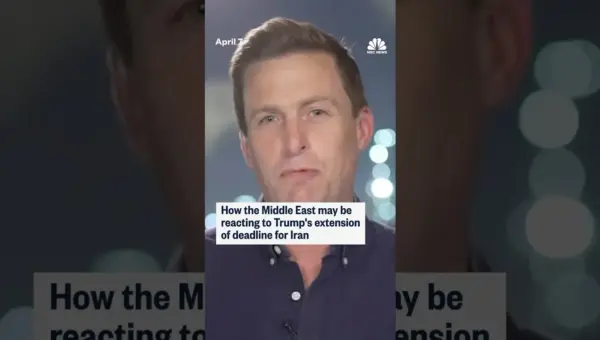
Trump Extends Iran Deadline Amid Regional Skepticism
The Middle East views President Trump's extension of the Iran deadline as a familiar pattern of 'bluster.' This marks the third or fourth time Trump has backed down from an ultimatum, leading many in the region to believe his threats lack substance. Public life in Iran continues as usual, suggesting a lack of panic despite the ongoing diplomatic tensions.