NASA Shares Stunning Far Side Moon Photos From Artemis II
NASA has released stunning new photos of the moon's far side captured by the Artemis II crew. These historic images, taken during the first human flyby of the moon's entire far side, echo the impact of past lunar missions. The mission highlights the value of public investment in scientific discovery and technological advancement.

Artemis II Crew Captures Historic Images of Moon’s Far Side
NASA has released breathtaking new photographs of the far side of the moon, taken by the four astronauts aboard the Artemis II mission. This marks the first time humans have captured images of the moon’s entire far side during a flyby. The astronauts spent nearly seven hours collecting photos and notes about the lunar surface earlier this week, adding a significant chapter to space exploration history.
A Glimpse of Earth from the Lunar Far Side
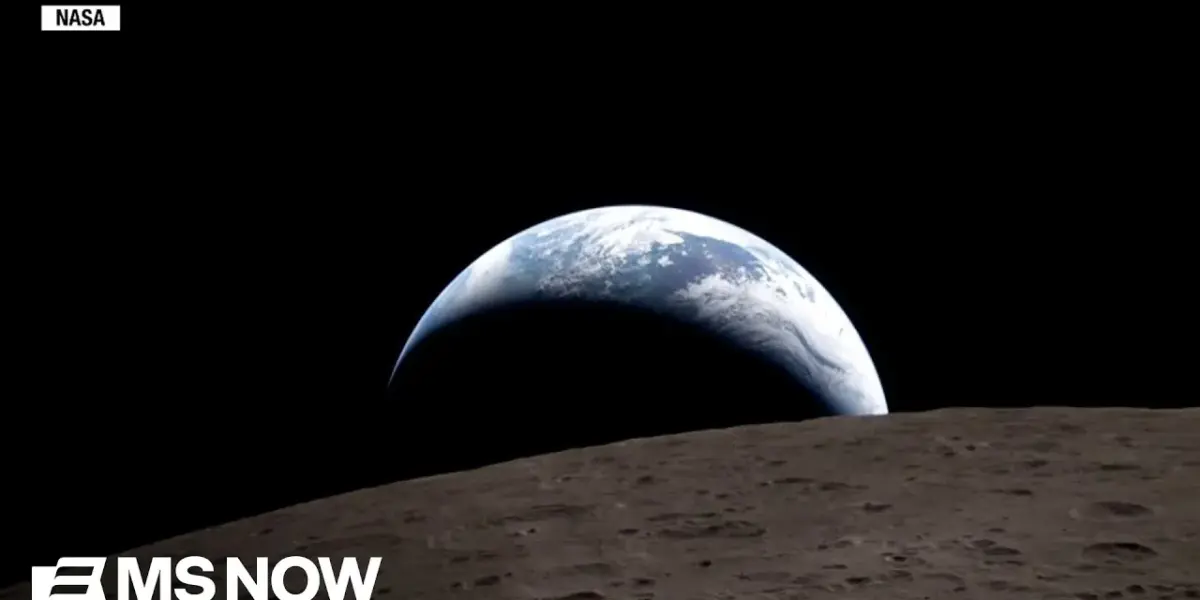
Among the most striking images is a view of Earth setting, as seen from the moon’s far side. This picture mirrors the iconic ‘Earthrise’ photo taken by the Apollo 8 mission in 1968, a moment that profoundly impacted how humanity viewed our planet. The Artemis II photos also showcase the moon’s rugged, cratered terrain and dark plains, offering new perspectives on its geological features.
“Seeing those images again now, goosebumps.”
Kennedy’s Vision and the New Space Race
President John F. Kennedy’s 1962 speech at Rice University, where he famously declared America’s commitment to going to the moon “not because they are easy, but because they are hard,” continues to inspire space endeavors. Presidential historian Douglas Brinkley highlighted the enduring power of Kennedy’s words, emphasizing the importance of public discovery and pushing boundaries.
Brinkley noted that the ‘Earthrise’ photograph from Apollo 8 was a transformative image in the 1960s. He shared that many Apollo astronauts described seeing our planet from space as a nearly religious experience, profoundly changing their perspective. The new images from Artemis II are expected to have a similar lasting impact.
The Power of Public Investment in Innovation
The Artemis II mission also is a powerful reminder of what can be achieved through public investment. Brinkley drew a parallel between space exploration and the rapid development of the COVID-19 vaccine program, both of which relied heavily on government funding and support. He contrasted this with the current trend of billionaires leading private space ventures.
Historically, public investment in NASA has yielded significant technological advancements that benefit everyday life. The Apollo program alone led to innovations like GPS, MRI and CAT scan technology, and fire-resistant materials. These ‘spin-off’ technologies demonstrate the broad value of government-backed scientific research and development.
“We have to make sure that NASA stays robust and be part of the crucial leader of going back to the moon and that we finally get our first woman astronaut on the moon in the coming years,” Brinkley stated, emphasizing the need for continued public support for NASA’s ambitious goals.
Looking Ahead: The Future of Lunar Exploration
The Artemis II mission, which included the first humans to orbit the moon since Apollo 17 in 1972, represents a significant step forward in NASA’s broader Artemis program. The program aims to establish a sustainable human presence on the moon and prepare for future missions to Mars. The success of Artemis II and the release of these historic images build momentum for the next phases of lunar exploration.
NASA continues its work towards landing the first woman and the next man on the moon, a key objective of the Artemis program. Future missions will focus on scientific research, resource utilization, and developing technologies needed for deep space exploration.
Source: NASA releases photos of far side of the moon (YouTube)

Related Articles

NASA’s Orion Captures Stunning New Moon Photos
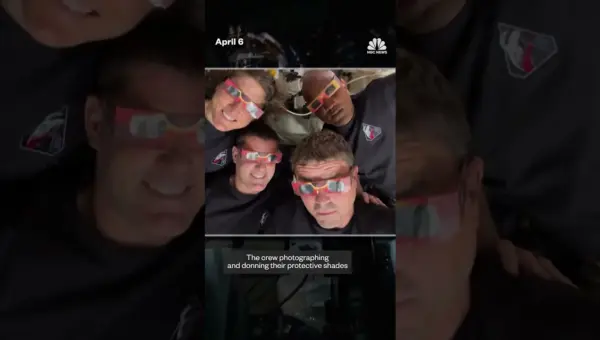
NASA's Orion spacecraft has returned spectacular new photos from its lunar fly-by, revealing never-before-seen details of craters and a distant view of Earth. The crew also witnessed a 53-minute solar eclipse. They are now preparing for a splashdown off the coast of San Diego on Friday.


Artemis 2 Returns: NASA Eyes 2028 Moon Landing
NASA's Artemis 2 mission has returned, completing a historic lunar flyby. The mission's success brings the agency closer to its goal of a crewed moon landing by 2028. Future phases aim to establish a lunar base and eventually support a human journey to Mars.

Artemis II Astronauts Honor Commander’s Late Wife on Moon
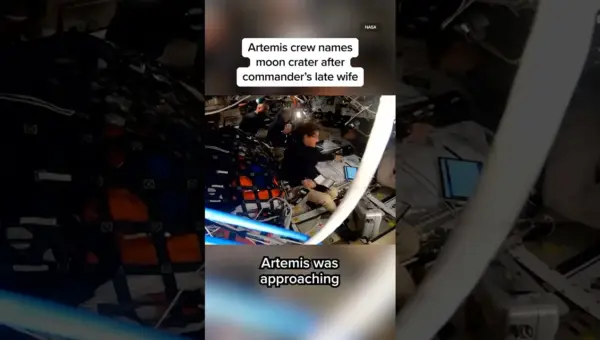
The Artemis II crew has chosen to honor Commander Reid Wiseman's late wife, Carroll Wiseman, by naming a moon crater after her. Carroll Wiseman passed away from cancer in 2020 at the age of 46. This personal tribute highlights the human connections within the space program as astronauts prepare for their lunar mission.