US Envoy Praises Hungary’s Orban
A U.S. envoy has publicly endorsed Hungarian Prime Minister Viktor Orban, praising his leadership and calling for the defense of Western civilization. The visit highlights strong economic ties and a shared moral vision between the two nations. This support could significantly impact Hungary's upcoming election and its role in Europe.

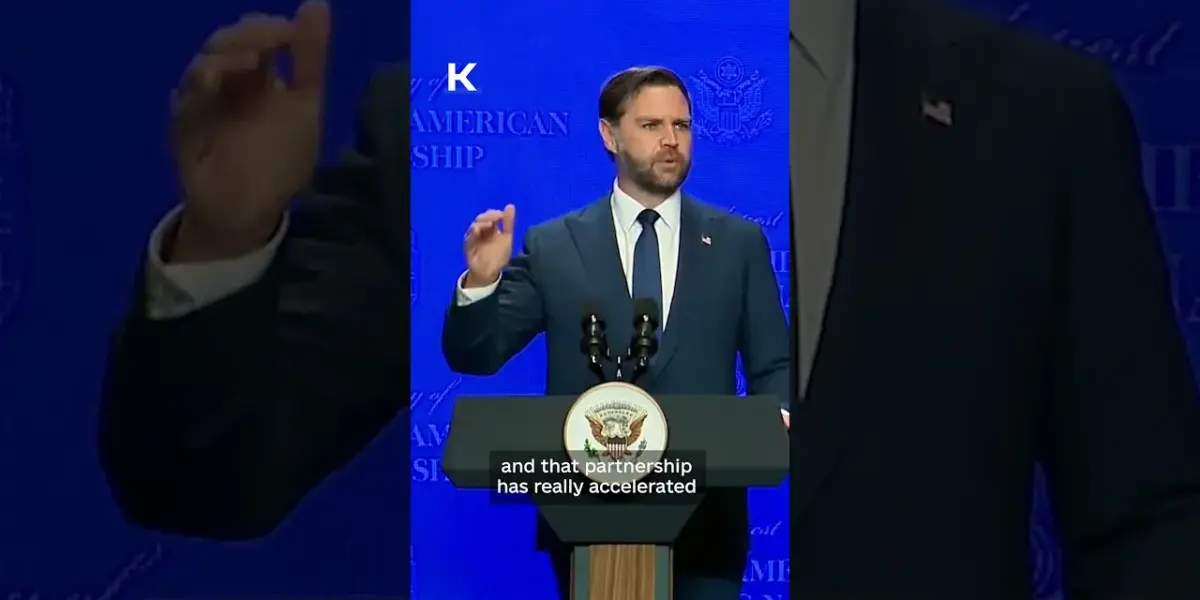
US Envoy Praises Hungary’s Orban in Election Push
A high-ranking U.S. envoy has voiced strong support for Hungarian Prime Minister Viktor Orban, calling him a leader who charts a course toward a better, more prosperous, and energy-secure Europe. The remarks came during a visit aimed at strengthening Orban’s standing ahead of a critical election. This endorsement highlights a deepening strategic alignment between the two nations.
The envoy specifically pointed to Hungary’s potential as an example for others, citing areas of cooperation in technology, artificial intelligence, and manufacturing. These economic ties have strengthened significantly over the past few years, a period noted for accelerated partnership under President Trump’s administration. This economic collaboration forms a strong foundation for broader diplomatic engagement.
However, the envoy emphasized that the visit’s primary focus extended beyond economic cooperation. The core reason for the trip was framed as “moral cooperation” between the United States and Hungary.
This moral alignment, according to the envoy, is crucial for the defense of Western civilization. It signifies a shared commitment to certain core values and principles.
The envoy stated that both the United States and Hungary, under Orban’s and President Trump’s leadership respectively, stand for the defense of Western civilization. This shared stance is presented as a unifying factor between the two nations. The message suggests a common front against perceived threats to these foundational values.
Defense of Western Values
The envoy noted that too few individuals have been willing to actively defend the values of Western civilization. Viktor Orban was singled out as a rare exception, someone who stands apart from a general trend.
This highlights Orban’s leadership as a beacon for those upholding these particular principles. His actions are seen as proving the rule by their very distinctiveness.
The visit highlights the strategic importance the U.S. places on Hungary’s political direction. It suggests a shared vision for European stability and security, rooted in specific ideological commitments. This support could influence the upcoming election’s dynamics.
Strategic Implications
This U.S. endorsement of Orban carries significant weight, particularly in the context of an upcoming election. By publicly praising Orban’s leadership and framing it as a defense of Western civilization, the envoy is signaling U.S. approval of Orban’s policies and his vision for Hungary and Europe. This can be particularly helpful for Orban domestically, associating his campaign with American backing.
The emphasis on “moral cooperation” and the “defense of Western civilization” suggests a shared worldview between the current U.S. administration and Orban’s government. This alignment is based on a specific interpretation of national sovereignty, traditional values, and a skeptical view of certain international institutions or globalist trends. It positions Hungary as a key partner in a broader ideological struggle.
Historically, such endorsements from a major power can sway public opinion and influence alliances. The strategic context involves Hungary’s position as a member of both NATO and the European Union.
U.S. support for Orban could have ripple effects within these organizations, potentially influencing debates on democratic norms, rule of law, and foreign policy alignment within the transatlantic community. The partnership also touches upon energy security, a critical issue for Europe, suggesting a desire for diversified energy sources away from traditional suppliers.
The focus on economic ties in areas like technology and manufacturing also indicates a desire to strengthen bilateral trade and investment. This can lead to greater economic interdependence, further solidifying the relationship. The mention of artificial intelligence points to cooperation in cutting-edge fields, reflecting a modern approach to partnership.
What This Means on the Ground
For voters in Hungary, the U.S. envoy’s visit and endorsement serve as a powerful signal. It suggests that Orban’s approach is recognized and supported by a key global power.
This can strengthen his image as a strong, internationally respected leader. The emphasis on shared values might also resonate with voters concerned about cultural identity and national sovereignty.
The economic cooperation mentioned, particularly in technology and manufacturing, implies potential job creation and economic growth within Hungary. This focus on practical benefits can appeal to a broad range of the electorate. It shows that the partnership is not just about ideology but also about tangible economic advantages.
The broader geopolitical impact could see Hungary further solidify its unique position within the EU and NATO. With U.S. backing, Orban may feel empowered to continue pursuing policies that sometimes diverge from the mainstream EU consensus.
This could lead to increased attention on Hungary’s role in shaping regional dynamics and transatlantic relations. The next steps will likely involve observing how this U.S. support translates into election results and subsequent policy decisions.
Source: Vance visits Hungary to boost Orban in high-stakes election (YouTube)

Related Articles


Trump Team Ignites Global Policy Chaos
The Trump administration's foreign policy is marked by a disregard for experienced advisors and a reliance on loyalists. This approach risks repeating past mistakes and creating global instability. Allies are questioning U.S. reliability, while adversaries may see opportunities.


Global Powers Clash Over ‘Western Civ’ Definition
A debate over what defines "Western civilization" is quietly reshaping international discussions, with differing views from figures like Marco Rubio contrasting with liberal interpretations emphasizing openness and tolerance. This ideological divide influences how nations interact and could lead to a more fragmented or cooperative global order depending on which definition prevails.

Stacey Abrams: Authoritarianism Grows by Scapegoating, Violence
Stacey Abrams warns that the U.S. is exhibiting key signs of authoritarianism, specifically scapegoating vulnerable communities and normalizing state violence. She links these tactics to the treatment of children in Texas detention centers. Abrams emphasizes that authoritarianism develops gradually, making vigilance crucial.