Global Powers Clash Over ‘Western Civ’ Definition
A debate over what defines "Western civilization" is quietly reshaping international discussions, with differing views from figures like Marco Rubio contrasting with liberal interpretations emphasizing openness and tolerance. This ideological divide influences how nations interact and could lead to a more fragmented or cooperative global order depending on which definition prevails.


Global Powers Clash Over ‘Western Civ’ Definition
A debate over what defines “Western civilization” is quietly reshaping international discussions. This isn’t just an academic argument; it touches on how nations see themselves and their place in the world. Different countries and leaders have very different ideas about what this term means, leading to potential misunderstandings and strategic realignments.
Senator Marco Rubio has promoted a view of Western civilization that seems to emphasize certain historical or religious roots. However, other scholars and policymakers offer a different perspective. This alternative view centers on the core ideas of liberalism itself, such as openness, tolerance, and questioning established beliefs.
This liberal interpretation of Western civilization suggests that its strength comes from its embrace of critical thinking and respect for diverse viewpoints. It acknowledges that many ideas about democratic rights have Christian origins. But it argues that defining our shared civilization solely in religious terms is too narrow and could exclude many.
The Liberal View: Openness and Tolerance
This perspective argues that the true spirit of Western civilization lies in its commitment to Enlightenment values. These values include being open to new ideas, tolerating different opinions, and questioning things that are simply accepted without proof. This approach downplays the role of religion and specific political systems in defining what it means to be part of this civilization.
For example, while democracy is a key part of this idea, it’s seen as a product of liberal thought rather than a solely Christian invention. This allows for a broader understanding that can include people from various backgrounds. It suggests that the success of Western societies comes from their ability to adapt and include, not from a rigid adherence to one historical narrative.
Potential for Misunderstanding
When leaders like Marco Rubio talk about Western civilization, they might be using a definition that focuses on specific historical or religious aspects. This can create confusion for other countries, especially those that may not share those exact historical or religious backgrounds. It can make them feel excluded or misunderstood on the global stage.
This difference in definition is important because it affects how countries interact. If one country defines Western civilization narrowly, it might approach diplomacy and international relations from a more exclusive standpoint. This could lead to friction with nations that prefer a more inclusive global order based on shared liberal values.
Global Impact
The way nations define their identity, including their understanding of broad cultural terms like “Western civilization,” has real-world consequences. It influences alliances, trade relationships, and how countries respond to global challenges. A narrow definition could lead to a more fragmented world, while a broader, more inclusive definition might encourage greater cooperation.
This debate highlights a larger trend: countries are increasingly asserting their own interpretations of history and values. This can lead to new forms of soft power and cultural influence. Understanding these different viewpoints is key to navigating the complex international relations of today.
The ongoing discussion about the meaning of Western civilization will likely continue to influence international dialogue. Future diplomatic efforts will need to consider these varying perspectives to build stronger, more cooperative relationships between nations around the world.
Source: What is Western Civ #shorts (YouTube)

Related Articles

Trump Eyes Iran Deal by Monday, Hints at Support for Protests
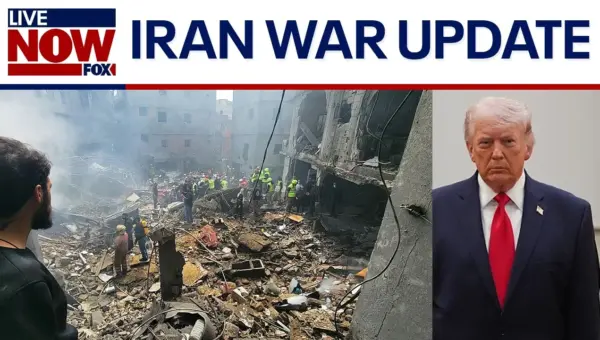
President Donald Trump believes a deal with Iran could be finalized by Monday, telling Fox News he is considering aggressive actions if an agreement isn't reached quickly. Trump also revealed that the US sent guns to Iranian protesters through Kurdish channels. He further stated that Iran's nuclear program is no longer a point of negotiation, with most issues already conceded.
Iran’s ‘Win by Not Losing’ Strategy in Middle East Conflict
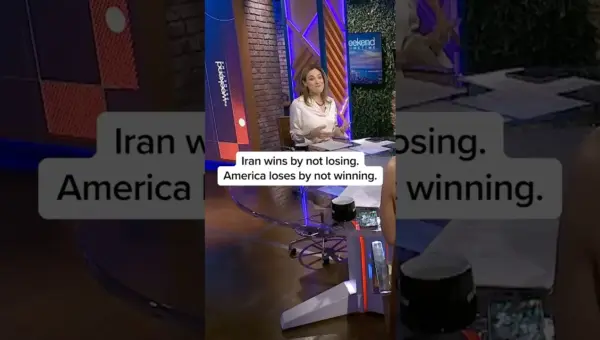
Iran is employing a "win by not losing" strategy in the ongoing Middle East conflict, avoiding direct confrontation while preventing decisive defeats. This approach contrasts with US aims for clear victories, leading to a prolonged and devastating war with no end in sight. The human cost for civilians remains a primary concern as the conflict continues.

US Rescues Second Airman Shot Down Over Iran
A U.S. service member, missing since Friday after an F-15E fighter jet crashed over Iran, has been successfully rescued. The multi-day operation culminated in the airman making contact with U.S. forces, leading to his extraction from behind enemy lines. The rescue, confirmed by President Biden, highlights a daring military operation amidst concerns over Iran's actions.