Faith Finds New Life as Young Americans Seek Meaning
Young Americans are turning from politics and digital life to find meaning and community in religious institutions. Leaders report a growing interest, with services adapting to offer authentic connection and a sense of belonging.

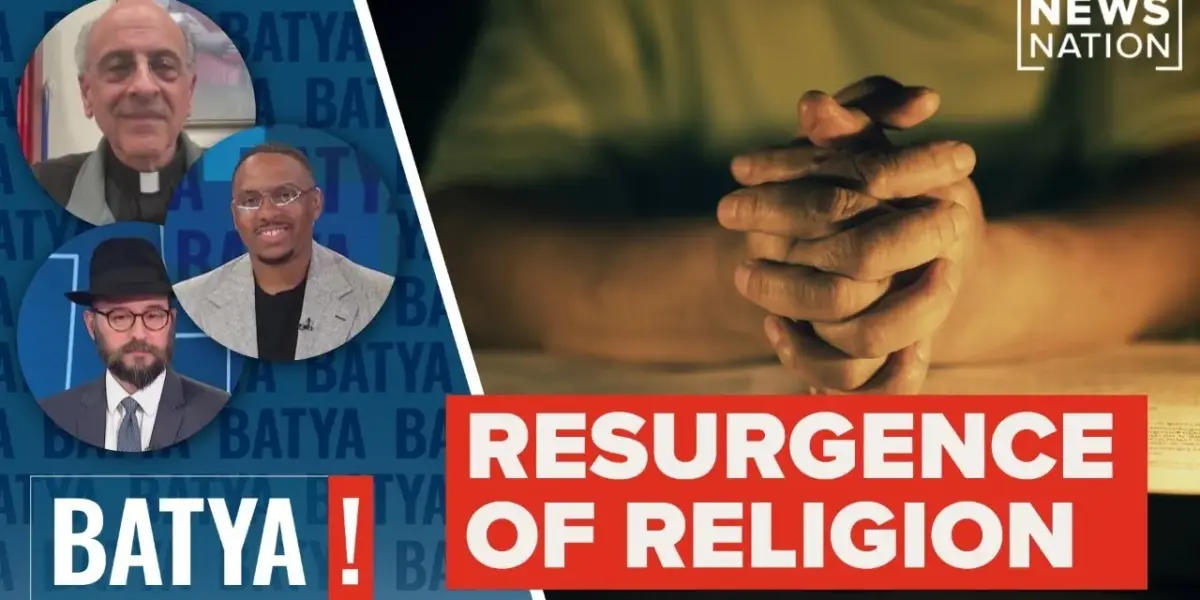
Faith Finds New Life as Young Americans Seek Meaning
Many young Americans are turning away from politics and the digital world, looking instead for real connection and purpose. This search is leading them back to religious institutions, which are experiencing a surprising revival. Religious leaders across different faiths are noticing a strong interest from younger generations, eager to find meaning and community.
Pastor Alex Williams, Rabbi Marty Alex, and Father Anthony Dominic Sorg all agree. They see a clear trend of young people seeking spiritual grounding. Pastor Alex, a third-generation pastor, believes there’s no better time to be a follower of Christ.
Rabbi Marty notes that people are losing faith in politics and virtual spaces. They are instead finding strength in their hearts and trust in God.
A Return to the Tangible
This shift can be seen as a move toward the tangible, a desire for something real in an increasingly virtual world. Father Anthony suggests that for some, it’s a rediscovery of cultural roots and traditions.
They see how faith helped their ancestors and want to recapture that strength. This connection to the past makes religion seem relevant and powerful again.
Pastor Alex agrees that people crave authentic connection, something social media often fails to provide. In the post-pandemic era, where digital life is deeply woven into our culture, the need for genuine human interaction is paramount. These ancient institutions offer a space for that connection to flourish.
Making Faith Engaging
Religious communities are actively working to make services appealing to younger people. Father Anthony emphasizes paying attention to attendees and acknowledging their presence. He shares that seeing young adults embrace faith is incredibly rewarding for a congregation.
Pastor Alex’s church has introduced “stoop services” in Brooklyn. Neighbors are invited to sit outside their homes, and baptisms happen right in the street. This approach has generated excitement, leading to spontaneous baptisms and people openly expressing their faith.
His own services focus on music, celebration, and creating a welcoming atmosphere. As a younger pastor himself, he understands the need for energy and joy. He believes that in a world where many feel rejected, finding a place of welcome and acceptance is crucial.
Community and Purpose in Judaism
Rabbi Marty leads a fast-growing branch of Judaism, contrasting with the decline seen in some more liberal streams. He attributes this success to providing a strong sense of community and authentic faith. These elements offer meaning and purpose in people’s lives during a time of widespread loneliness, despite hyper-connectivity.
He highlights a unique aspect of Judaism: its practice extends beyond the house of worship. Faith is meant to permeate all parts of life, from home interactions to work and social engagements. This integration of faith into daily life provides a grounding force.
This approach resonates deeply in today’s world, where many feel disconnected. The emphasis on lived faith and community offers a powerful antidote to modern isolation. It shows how ancient traditions can offer relevant solutions for contemporary challenges.
Why This Matters
The resurgence of religious interest among young people signals a deeper societal need for meaning, connection, and belonging. As traditional sources of identity and community, like politics, face skepticism, faith-based institutions are stepping in to fill the void.
This trend suggests a potential shift in how younger generations define their values and communities. It highlights a desire to move beyond superficial digital interactions towards more profound, tangible experiences and relationships. The success of congregations in adapting their methods to be more inclusive and engaging points to a future where faith can remain a vital part of many lives.
Implications and Future Outlook
This renewed interest could lead to stronger community bonds and a greater sense of shared purpose. It might also influence cultural conversations around spirituality and tradition. As more young people engage with religious practices, we could see creative adaptations of rituals and a blending of ancient customs with modern life.
The future outlook suggests that religious institutions that prioritize authentic connection, community building, and relevant engagement will likely continue to attract younger members. The focus on lived faith, integrated into everyday life, appears to be a key factor in this revival. This movement is not just about attending services; it’s about finding a way to live a more meaningful life.
The next step for these communities will be to continue innovating and adapting to meet the evolving needs of their members. The ongoing dialogue between tradition and modernity will shape how faith is practiced and perceived in the years to come.
Source: Religion sees resurgence as Americans seek meaning and community | A Batya Special: God & Country (YouTube)

Related Articles

Young People Seek Faith: Is Religion Making a Comeback?
A recent survey suggesting a surge in young people's interest in religion was later retracted due to data concerns. However, anecdotal evidence and strong sales of Bibles and religious books indicate a genuine curiosity among younger generations about faith and spirituality.

Catholic Church Sees Youth Surge Amid Religious Stability
Young Catholics are filling churches like Saint Joseph's in New York City, creating vibrant communities both online and in person. While national data shows a long-term decline in religious affiliation, recent surveys indicate a period of stability, possibly influenced by the COVID-19 pandemic. Content creators are playing a key role in connecting younger generations with their faith.

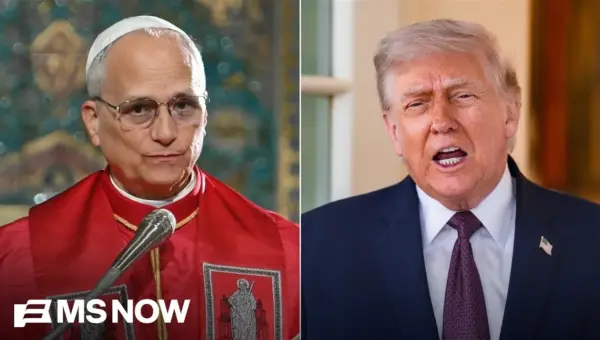
Bishop Budde: Trump’s Attacks on Pope Are About Right vs. Wrong
Bishop Mariann Budde criticizes President Trump's attacks on Pope Francis, framing the conflict as a matter of right versus wrong and the misappropriation of faith. She discusses the role of religious leaders in public life and urges a focus on peace and human well-being over partisan politics.