Trump Surprises Leavitt With White House Press Secretary Offer
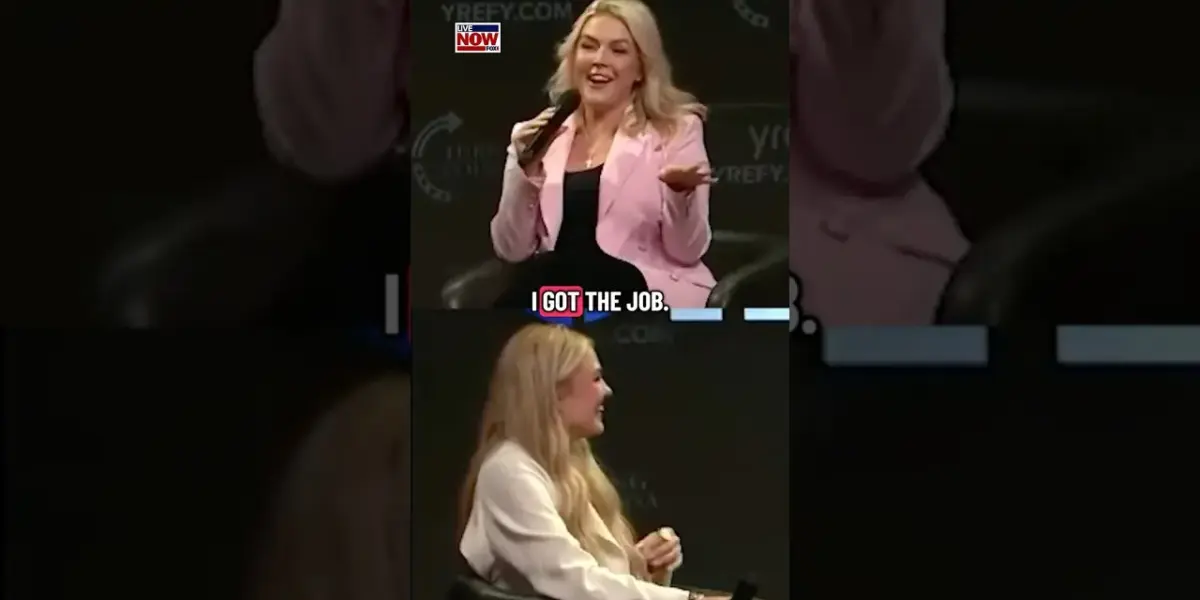
Former White House Press Secretary Kayleigh McEnany revealed the surprisingly casual way she learned she would be appointed to the role. Then-President-elect Donald Trump offered her the position during a routine phone call about a week after the 2016 election. The offer was made in a matter-of-fact tone, devoid of any formal ceremony or grand pronouncements.

White House Press Secretary Role Offered Casually
Former White House Press Secretary Kayleigh McEnany, speaking in a recent interview, revealed the surprisingly casual way she learned she would be appointed to the prestigious role. After the 2016 election, which saw Donald Trump secure the presidency, McEnany expected a potential job but was unsure of her future. Trump had made lighthearted remarks during the campaign, suggesting she would join him in Washington if they won.
However, the actual offer came in a very low-key manner about a week after the election. While on a phone call with then-President-elect Trump discussing unrelated matters, he casually mentioned the press secretary position. It was a moment devoid of grand pronouncements or formal ceremony, catching McEnany by surprise.
The Unexpected Offer
During their conversation, Trump simply stated, “Oh, by the way, you know you’re going to be the White House press secretary, right?” McEnany responded with a simple, “Oh, okay.” The interaction lacked the dramatic flair one might expect for such a significant appointment.
Trump then immediately pivoted to seeking her input on pressing matters, asking, “So about that other thing, what do you think about that? What should we do? What should we say?” This demonstrated a desire to integrate her into the communications strategy from the very beginning, even before her formal role was widely known.
A Simple Beginning to a High-Profile Job
McEnany described the moment as “the most antediluvian thing ever,” meaning it was anticlimactic and lacked any buildup. There was no fanfare, no dramatic announcement. The job offer was delivered in a matter-of-fact tone during a routine conversation.
This account highlights a different side of presidential appointments, often perceived as complex and highly orchestrated. For McEnany, the path to becoming the public face of the White House began not with a formal offer, but with a brief, almost conversational exchange. It was a stark contrast to the public spectacle that often surrounds such positions.
Context and the Role of Press Secretary
The White House Press Secretary is a key role, serving as the primary spokesperson for the executive branch. This individual briefs the press corps daily, answers questions on behalf of the president, and communicates the administration’s policies and positions to the public. It requires a deep understanding of policy, strong communication skills, and the ability to think quickly under pressure.
The job demands constant engagement with journalists from around the world, often in a challenging and fast-paced environment. The press secretary acts as a gatekeeper of information, shaping the narrative and managing the flow of news from the White House. The position is known for its intense scrutiny and demanding schedule.
McEnany’s Tenure
Kayleigh McEnany served as White House Press Secretary from April 2020 until the end of the Trump administration in January 2021. Her tenure was marked by the significant events of the COVID-19 pandemic and the contentious 2020 presidential election. She was known for her assertive style in the briefing room, often defending the president’s actions and statements vigorously.
Her appointment, like its offer, was part of the Trump administration’s unique approach to communication. The president often favored direct engagement and loyalty, and his selection of McEnany reflected this preference. Her role involved navigating complex political landscapes and public health crises.
Looking Ahead
The revelation offers a glimpse into the personal dynamics behind presidential staffing decisions. It underscores how even high-stakes appointments can sometimes be made through informal channels, reflecting the president’s personal style and relationships.
Future White House administrations may continue to draw on personal rapport when making key communication hires. The effectiveness of such informal recruitment methods in securing talent for demanding roles remains a point of observation for political observers.
Source: Leavitt tells Trump story (YouTube)

Related Articles
Trump’s Iran Speech: Victory Declared, But War Looms
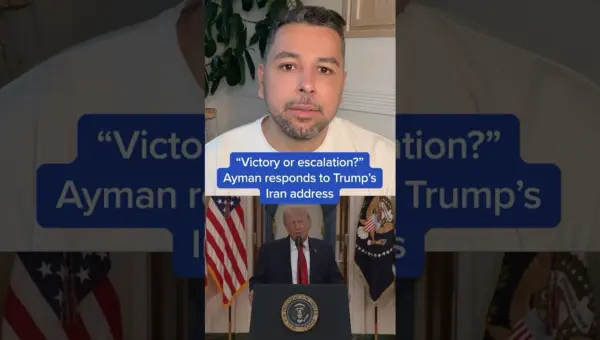
President Donald Trump declared victory over Iran, claiming the nation's military was weakened. However, his speech also hinted at further strikes, leading many analysts to question the narrative of victory and express concerns about potential escalation. Journalist Ayman Mohyeldin highlighted the contradiction between Trump's claims and his intentions for future military action.
Trump Fires AG Pam Bondi Over Failed Cases, Epstein Files
President Trump has fired Attorney General Pam Bondi due to her performance, particularly her failure to prosecute Trump's political enemies and her handling of the Epstein files. The House Oversight Committee has vowed to hold Bondi accountable, while potential replacements are being considered. The Epstein case and the judicial system's role are central to the ongoing scrutiny.

Maddow Sees Trump Base Doubts Grow on Iran War
Rachel Maddow notes growing doubt within Donald Trump's base regarding a potential Iran war. The "MS NOW" discussion questions Trump's grip on reality and highlights the importance of public agency. This analysis comes amid ongoing Middle East tensions and public protests.