Trump’s Tariffs: A Year of Trade Turmoil
One year after former President Trump enacted sweeping "Liberation Day" tariffs, global markets are still experiencing the ripple effects. The policy aimed to boost American industries but led to widespread market volatility and retaliatory tariffs from other nations. The long-term economic consequences continue to be debated, with some sectors benefiting while others face significant challenges.

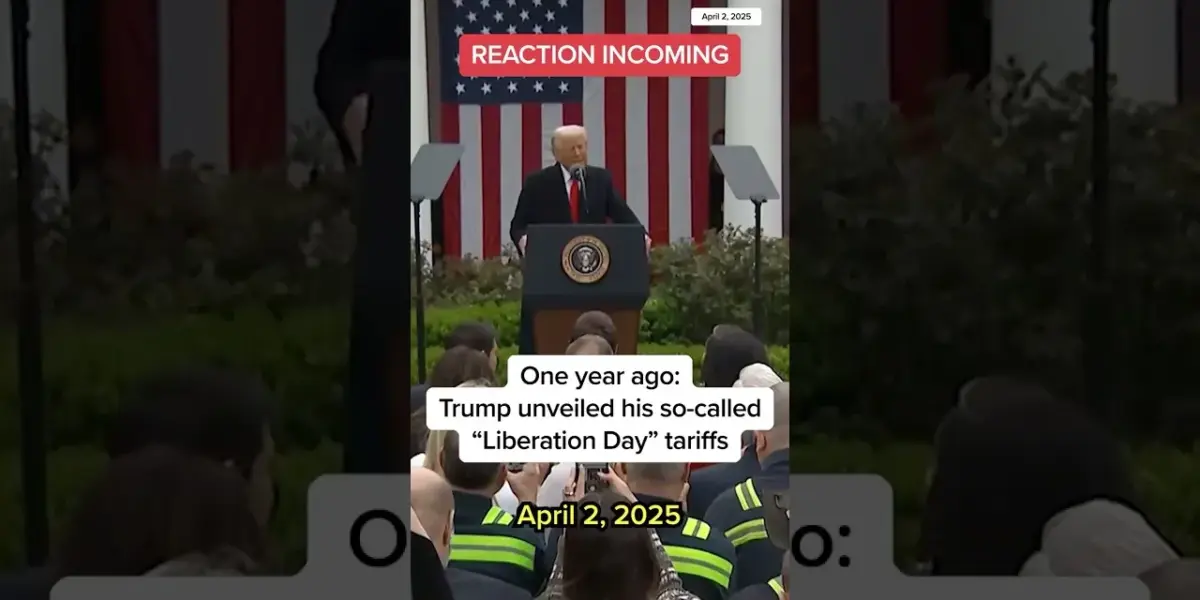
A Year After ‘Liberation Day’ Tariffs, Global Markets Still Reel
One year ago, former President Donald Trump announced sweeping tariffs, calling them part of his “Liberation Day” trade policy. This decision sent shockwaves through global markets, creating widespread panic and instability. Now, a year later, the economic effects and the debate surrounding these tariffs continue to unfold, impacting businesses and consumers worldwide.
The Genesis of ‘Liberation Day’ Tariffs
The tariffs, introduced on what was dubbed “Liberation Day,” represented a significant shift in U.S. Trade policy. The stated goal was to protect American industries and jobs by making imported goods more expensive.
This aimed to encourage consumers and businesses to buy American-made products instead. However, the move quickly drew criticism from trading partners who saw it as protectionist and harmful to international trade relations.
Immediate Market Reactions and Global Backlash
The announcement of the tariffs triggered immediate volatility in stock markets around the world. Investors worried about the potential impact on corporate profits and the overall health of the global economy. Many countries retaliated with their own tariffs on U.S. Goods, leading to a tit-for-tat trade dispute.
This escalating conflict created uncertainty, making it difficult for businesses to plan for the future. The disruption affected supply chains, raising costs for manufacturers and ultimately for consumers.
Economic Impact: Winners and Losers
The economic consequences of the tariffs have been complex and debated. Supporters argued that the tariffs helped certain American industries, such as steel and aluminum, by reducing foreign competition. These sectors saw some increased domestic production and job growth.
However, other American businesses that rely on imported materials or export their goods faced higher costs and reduced sales. Industries like agriculture and manufacturing, which are heavily involved in international trade, reported significant losses due to retaliatory tariffs.
For example, American farmers, who export a large portion of their crops, found their products facing higher tariffs in key markets like China. This led to a sharp decline in sales and income for many agricultural businesses. Similarly, manufacturers that imported parts from overseas saw their production costs rise, potentially leading to higher prices for consumers or reduced competitiveness.
Ongoing Trade Tensions and Policy Shifts
The trade tensions initiated by the “Liberation Day” tariffs did not disappear with the change in administration. While the Biden administration has reviewed and adjusted some of the previous policies, many of the tariffs remain in place.
The administration has focused on working with allies to address trade imbalances and unfair practices by countries like China. However, the underlying issues of global trade competition and national industrial policy continue to be central concerns.
The long-term effects are still being assessed, with economists offering various perspectives. Some believe the tariffs ultimately harmed the U.S. Economy by increasing costs and reducing trade efficiency.
Others maintain that they were a necessary tool to address unfair trade practices and bring manufacturing back to the United States. This ongoing debate highlights the difficulty in isolating the precise impact of such broad economic policies.
Looking Ahead: What’s Next for Global Trade?
As the world moves forward, the legacy of the “Liberation Day” tariffs is a critical case study in modern trade policy. The focus now shifts to how nations will navigate the complexities of global commerce in a time of increasing competition and geopolitical shifts.
The Biden administration’s approach, emphasizing international cooperation and targeted actions, suggests a different path than the unilateral approach of the previous administration. Future trade agreements and policy adjustments will likely continue to shape the global economic landscape for years to come.
The coming months will be crucial for observing how existing tariffs are modified or removed and what new trade strategies emerge. International trade organizations and business leaders will be closely watching these developments for signs of greater stability or continued uncertainty in global markets.
Source: One year ago: Trump unveiled his so-called 'Liberation Day' tariffs (YouTube)

Related Articles


War Ripples: Iran Conflict Drives Up Costs for Plastics, Fertilizer
The war involving Iran is causing significant economic disruptions far beyond higher gas prices. Essential products like fertilizer and plastics are seeing price surges due to disrupted shipping routes. This conflict is also increasing borrowing costs for consumers and potentially impacting food prices.


Trump’s Iran Flip-Flop Jolts Global Markets
President Trump's threats and subsequent reversals on Iran have caused significant volatility in global markets. While markets often rebound expecting a "TACO" moment, the underlying economic costs and potential for renewed instability persist. The true impact depends on resolving real-world issues beyond presidential statements.


US Lifts 47-Year Ban on Iranian Oil
The U.S. has lifted a 47-year ban on Iranian oil sales, allowing it back into global markets for the first time since 1979. This emergency measure aims to address severe pressure on global energy supplies and soaring prices, which have surpassed $105 per barrel. The move comes amid escalating conflict in the Middle East and a shutdown of the Strait of Hormuz, raising concerns about a potential global recession in 2026.