Trump Reinstalls Columbus Statue Near White House
A 13-foot replica of a Christopher Columbus statue has been reinstalled near the White House, sparking debate about historical interpretation. Supporters see it as a symbol of American history, while critics point to the controversial legacy of Columbus. This symbolic move highlights ongoing national conversations about the past.

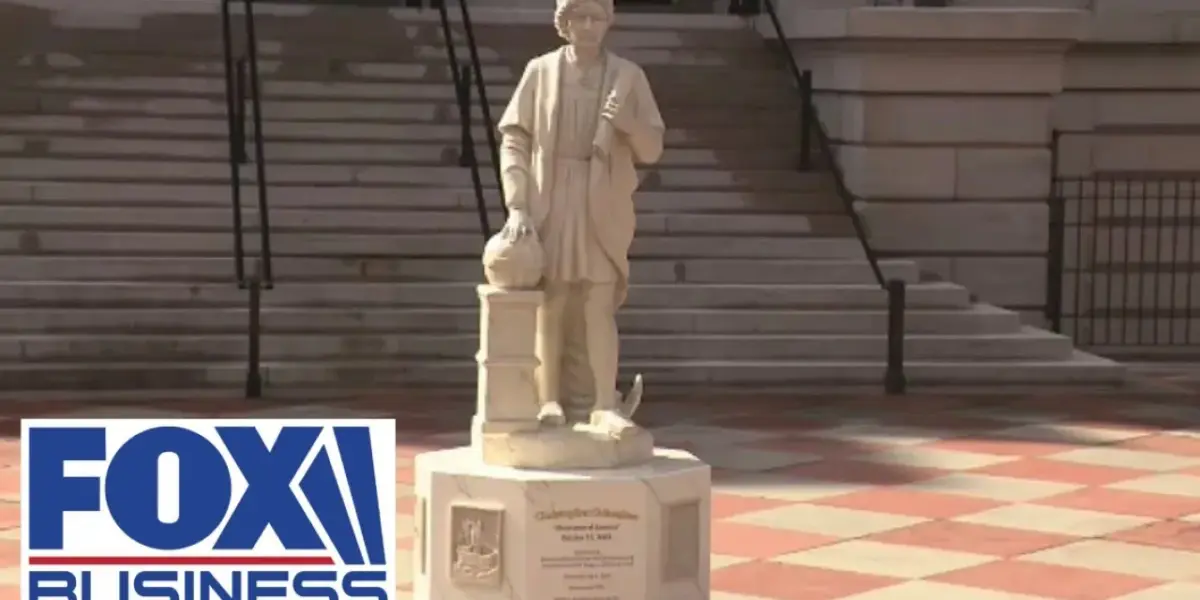
Trump Reinstalls Columbus Statue Near White House
The Trump administration has placed a 13-foot replica of a Christopher Columbus statue near the White House. This move comes as the United States approaches its 250th birthday. The replica is based on a monument that was removed and thrown into Baltimore’s harbor during protests in 2020.
The statue is now located a short distance from the White House. Supporters view its placement as fitting for the upcoming anniversary. They believe Columbus’s voyages were crucial for the formation of the American colonies, leading to the nation’s existence and anything worth celebrating today.
Many people like seeing historical statues put back up instead of being torn down. They see these statues as reminders of important moments in American history. Even if not everyone agrees with every aspect of a statue’s subject, removing it does not erase the past.
Statues can serve as valuable learning tools. Parents can use them to discuss both the positive and negative aspects of history with their children. The goal is to use these figures as teaching moments rather than trying to erase them from public view.
This approach aims to foster understanding rather than promoting a narrative that everything in the past is terrible and should be dismantled. It represents a hope for a more balanced way of looking at history in the country.
In contrast, the statue of Christopher Columbus at Liberty State Park in Jersey City remains standing. This 20-foot sculpture, a gift from the Italian government and designed by Italian artist Gino, has always been there. It stands proudly alongside views of the Statue of Liberty and Ellis Island.
Market Impact
This event, while primarily symbolic and historical, touches on broader themes of national identity and historical interpretation. Such discussions can influence public sentiment and, indirectly, consumer behavior and tourism related to historical sites.
For investors, the focus remains on economic indicators and policy. However, events that spark widespread public debate can sometimes create ripples in sectors tied to public perception and national pride, such as tourism or cultural heritage sites.
The differing views on historical monuments highlight ongoing societal conversations. These conversations can indirectly affect the business environment by shaping consumer attitudes and the priorities of local and national governments regarding public spaces and historical preservation.
What Investors Should Know
The reinstatement of the Columbus statue is a symbolic act reflecting a particular viewpoint on American history. It does not directly impact financial markets or specific company valuations in the short term.
Investors should continue to monitor core economic data, such as inflation reports, employment figures, and interest rate decisions from the Federal Reserve. These factors have a much more direct and significant influence on market performance.
Discussions around historical symbols can sometimes lead to increased interest in related sectors, like historical tourism or companies involved in monument restoration. However, these are often niche markets and unlikely to drive broad market trends.
The key takeaway for investors is to distinguish between symbolic political or cultural events and direct economic drivers. Focus on fundamental economic data and corporate earnings for investment decisions.
The debate over historical statues is expected to continue as the nation approaches its 250th anniversary in 2026.
Source: 'ORIGINAL AMERICAN HERO': Trump's CONTROVERSIAL move causes debate (YouTube)

Related Articles
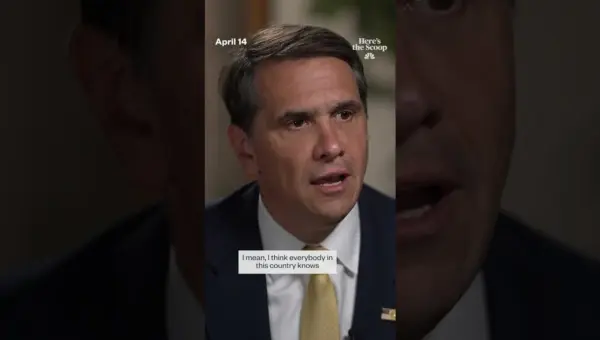
Trump Erodes DOJ Independence, Says Former Attorney
Former Trump attorney Todd Blanche stated that the separation between the White House and the Department of Justice has been erased. He explained that the president's ultimate authority over the DOJ aligns with the 'unitary executive theory.' This marks a significant departure from post-Watergate efforts to ensure the department's independence.

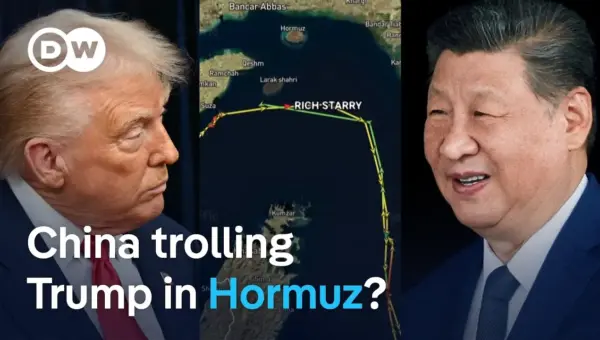
China Tests US Resolve in Hormuz Strait Standoff
Amidst rising tensions in the Strait of Hormuz, China is reportedly testing the U.S. administration's resolve through actions involving Chinese-owned vessels. This strategic probing, experts suggest, aims to gauge American commitment and potentially gain leverage ahead of upcoming U.S.-China summits. The situation highlights China's complex geopolitical maneuvering and its long-standing relationship with Iran.

Trump’s Tax Plan Boosts Refunds, Encourages Work
Treasury Secretary Scott Bessent highlighted tax benefits from President Trump's "Big Beautiful Bill Act," noting a 13% rise in tax refunds and increased overtime pay. The act also introduces "Trump Accounts" offering $1,000 seed funding for eligible children, aiming to boost savings.