Trump’s Diet Soda Claim: A Joke or Dangerous Denial?
President Trump's alleged comment that diet soda kills grass and therefore cancer cells has sparked debate. While defended as a joke, critics worry about the normalization of health misinformation. This incident highlights the impact of public figures' words on health perceptions.

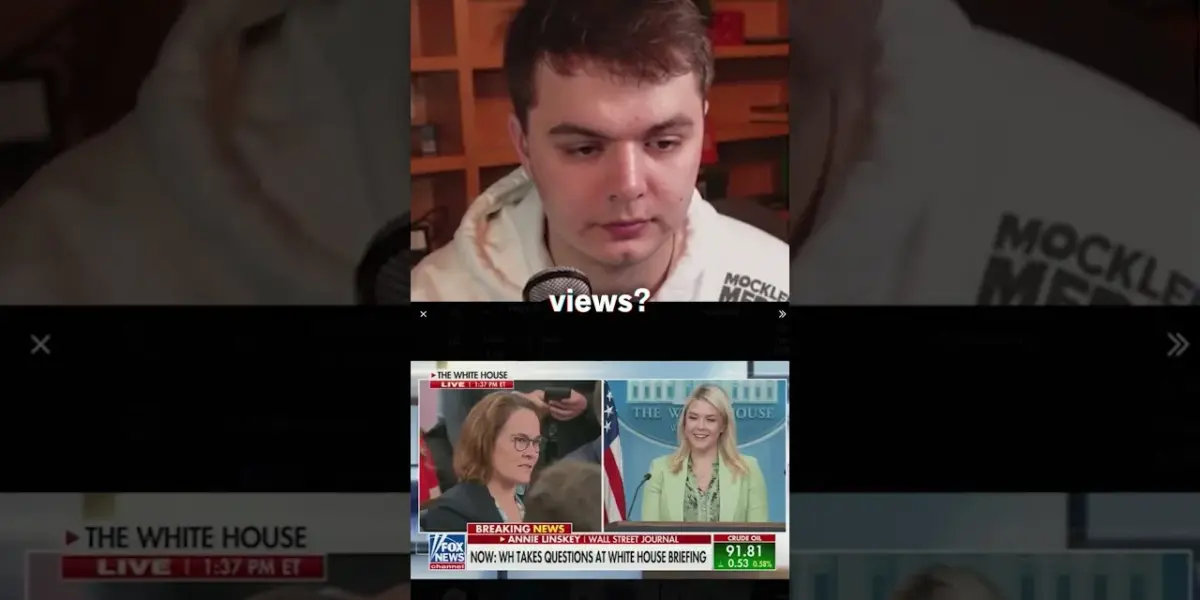
Trump’s Diet Soda Remark Sparks Controversy
A recent interview with Dr. Mehmet Oz brought to light a peculiar statement attributed to President Trump regarding his views on diet soda. Dr. Oz reportedly described the president’s reasoning for drinking diet soda: he believes it’s good for him because it kills grass. The logic, as explained, is that if it can kill grass, it must also be able to kill cancer cells.
This comment, initially presented as an explanation of the president’s personal health beliefs, quickly became a point of discussion. It raises questions about the seriousness of such claims, especially when linked to health and potential cancer treatment. The idea that a common beverage could have such a dual effect, killing grass and cancer cells, is certainly unusual.
Defense and Criticism of the Remark
Karoline, a commentator, defended the president’s statement, suggesting it was intended as a joke. She emphasized that President Trump has a good sense of humor, which she believes is an underappreciated trait. According to her, she has heard him tell this specific joke before. This perspective frames the remark not as a literal health claim but as a piece of dark humor.
However, this defense did not sit well with everyone. Critics, like those implied by the transcript’s sentiment, expressed concern that such statements, even if meant humorously, contribute to a broader issue. The argument is that when public figures make such remarks, especially about serious topics like health and cancer, it can undermine the gravity of the situation. This viewpoint suggests that America is being turned into a joke, where nothing is taken seriously anymore.
Historical Context of Health Claims
Throughout history, public figures and leaders have sometimes made unusual or questionable health-related statements. These can range from promoting unproven remedies to expressing skepticism about established medical science. Such comments often draw attention because they come from individuals in positions of influence, and their words can be interpreted by millions.
The public’s reaction to these statements often depends on various factors. These include the perceived intent behind the comment, the speaker’s past behavior, and the general political climate. When statements touch on sensitive areas like cancer, which affects so many lives, they tend to generate stronger reactions.
Why This Matters
The controversy surrounding President Trump’s diet soda comment highlights a significant tension. On one hand, there’s the argument for understanding remarks as potentially lighthearted or hyperbolic, especially from a figure known for a certain style of communication. On the other hand, there’s the serious concern that jokes or off-the-cuff remarks about health can be misinterpreted or normalize dangerous misinformation.
When leaders make statements about health, even if framed as jokes, they can inadvertently influence public perception. For individuals battling serious illnesses like cancer, such comments could offer false hope or discourage them from seeking evidence-based medical care. This is particularly concerning given the scientific consensus that diet soda does not kill cancer cells.
Implications and Future Outlook
The incident serves as a reminder of the power of words, especially in the public sphere. It underscores the need for careful communication when discussing health-related topics. For the public, it emphasizes the importance of critical thinking and relying on credible scientific and medical sources for health information.
Looking ahead, it seems likely that such instances will continue to occur. The blend of humor, politics, and health advice often makes for viral content. However, the discussion also points to a growing awareness of the potential harm of misinformation, even when presented casually. Moving forward, there will likely be continued debate about the line between free expression, humor, and responsible communication, particularly concerning public health.
Source: Karoline Defends Trump “Diet Soda Kills Cancer” Comment as a Joke #politics #fyp #new (YouTube)

Related Articles

White House Ignores Crises for Trump’s 80th Birthday Bash
The White House's social media team focused on promoting Donald Trump's 80th birthday party instead of addressing failed US-Iran talks and rising prices. This decision raises questions about the administration's priorities and its use of government platforms.
Trump’s Core Voters Flee: A Stunning Political Reversal
Donald Trump's support among white, non-college-educated voters has dramatically fallen from a 36-point lead to a negative 4-point rating. This marks an unprecedented situation where he is reportedly underwater with every demographic group.

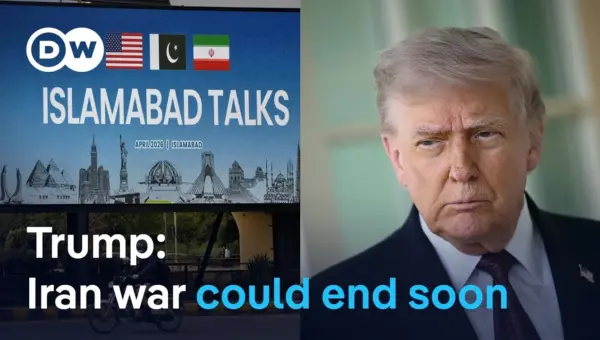
Trump Sees Iran War Ending Soon Amidst Escalating Threats
U.S. President Donald Trump expressed optimism that the conflict with Iran could end soon, despite ongoing threats between the two nations. A senior Iranian official warned of regional trade blockades if U.S. naval blockades are not lifted. Experts caution that any deal must address core issues, not just short-term military gains, to achieve lasting strategic success.