Trump’s $3 Gas Promise Fades as Reality Sets In
President Trump's promise of $3 a gallon gas is facing delays and shifting timelines. As international tensions and market realities set in, the administration is tempering expectations, raising questions about political messaging and economic control.

Campaign Trail Promises Meet Economic Headwinds
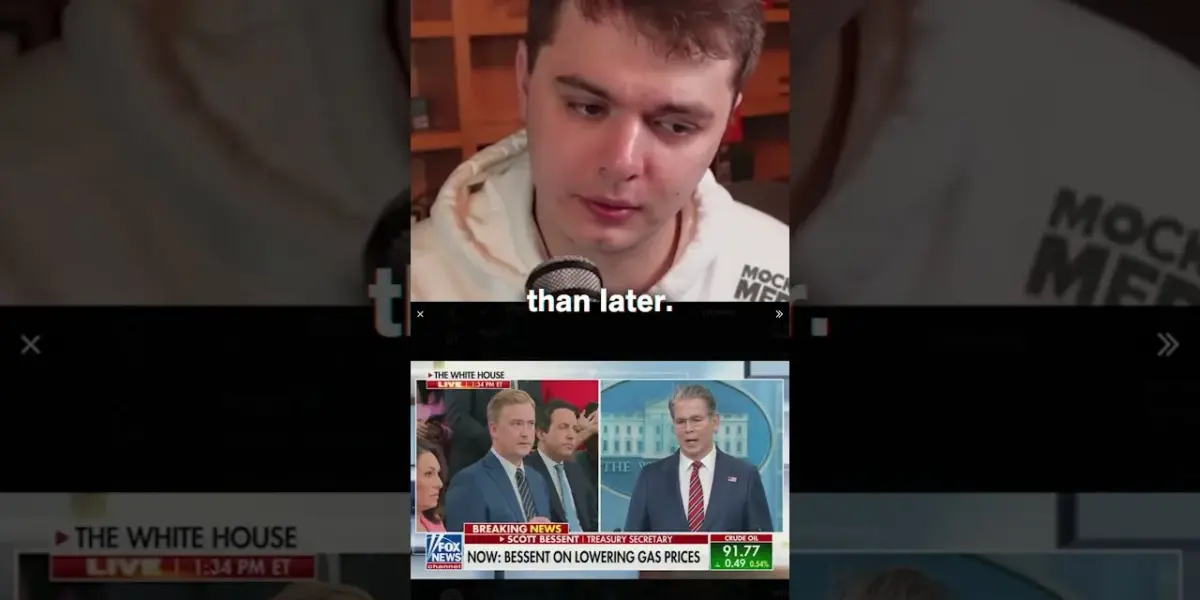
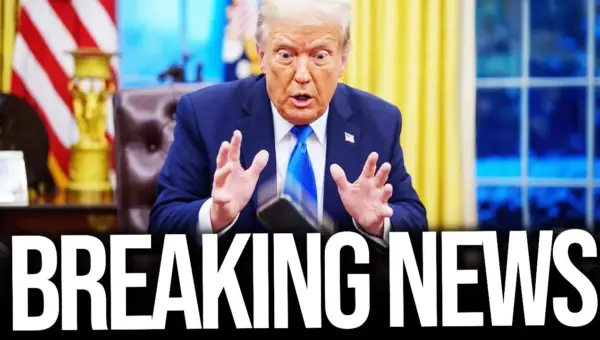
During his presidency, Donald Trump often pointed to gas prices as a sign of his economic success. He frequently promised that under his leadership, Americans would see gas prices drop to $3 a gallon. This promise became a rallying cry for his supporters and a key talking point during his campaigns. However, recent statements suggest a shift in that optimistic outlook, as the administration begins to temper expectations about when, or even if, that $3 mark will be reached.
Shifting Timelines and Uncertain Ceasefires
In a recent discussion, President Trump indicated that reaching $3 gas prices is now tied to the success of ongoing negotiations. He mentioned that the US had upheld its side of a ceasefire, but this statement was quickly followed by a critique of the situation. The reality on the ground, as described, involved continued violence and war crimes committed in Lebanon, with hundreds killed. In response to this, Lebanon and Hezbollah, along with certain factions in Iran, began firing back. This complex and volatile international situation raises questions about the stability of any ceasefire, making a lasting peace seem unlikely.
Despite the international turmoil, the focus returned to the economy and the promise of cheaper gas. The President expressed optimism that gas prices would feature a ‘3’ in front of them during the summer months. However, this optimism was qualified. Instead of a firm commitment, the timeline shifted from earlier targets, like Memorial Day, to a broader window, perhaps by Labor Day. Further clarification suggested a potential range between June 20th and September 20th for $3 gas to become a reality.
The Messaging Mismatch
This evolving timeline and the vague assurances are not playing well from a political messaging standpoint. Promising $3 gas and then pushing back the date, or suggesting it might only drop below $4, is not the strong, confident statement the administration likely intended. It appears to be a missed opportunity to deliver a clear and positive message to voters. When a leader makes a bold promise, the public expects it to be met with clear action and results, not shifting goalposts.
Why This Matters
The price of gasoline directly impacts the daily lives of millions of Americans. It affects the cost of commuting to work, running errands, and transporting goods, which in turn influences the prices of almost everything else we buy. When political leaders make specific promises about lowering these costs, it creates expectations. The public wants to know that their leaders understand these everyday concerns and have a concrete plan to address them. A failure to meet such promises, or a significant delay with unclear reasons, can erode public trust and lead to frustration.
Historical Context and Economic Realities
Gas prices are influenced by a complex web of factors, including global oil supply and demand, geopolitical stability, refinery capacity, and even seasonal weather patterns. The idea of consistently keeping gas prices at a specific low point like $3 a gallon is challenging in such a dynamic market. Historically, presidential administrations have been credited or blamed for gas price fluctuations, even when many of the underlying causes are beyond their direct control. Factors like international conflicts, decisions by oil-producing nations, and global economic trends play a significant role.
Implications and Future Outlook
The current situation highlights the difficulty of controlling global commodity prices through political statements alone. While a president can influence policy and international relations, the market forces are powerful. The administration’s shift in rhetoric suggests an acknowledgment of these market realities. For consumers, this means continued uncertainty about future gas prices. It also raises questions about how politicians will frame economic issues during election cycles, especially when faced with complex global events that impact everyday costs. The trend suggests that while politicians may promise specific price points, the actual outcome will likely depend on a multitude of economic and geopolitical factors far beyond any single administration’s complete command.
Source: Trump Admin Starts to Walks Back $3 Gas Promise #politics #fyp #new (YouTube)

Related Articles
US Loses Global Grip as Trump Allies Defy Peace Calls
The U.S. faces a critical juncture as it appears to lose control on the global stage, marked by prolonged international conflicts and domestic economic challenges. Allies seem to defy peace calls, while political figures clash with the Pope over the morality of war.


White House Ignores Crises for Trump’s 80th Birthday Bash
The White House's social media team focused on promoting Donald Trump's 80th birthday party instead of addressing failed US-Iran talks and rising prices. This decision raises questions about the administration's priorities and its use of government platforms.
US-Iran Peace Talks Stall; Gap ‘Wider Than Strait of Hormuz’
Peace talks between the U.S. and Iran remain stalled, with a significant gap described as 'wider than the Strait of Hormuz.' Despite White House optimism about ending the conflict and lowering gas prices, public opinion shows weariness and concern over the war's economic toll. International diplomatic efforts continue, but major hurdles persist in resolving key issues.