53 Million Get Tax Cuts, Yet Many Think Taxes Rose
Despite tax cuts benefiting millions, a new poll shows most Americans believe their taxes are rising. Experts highlight a communication gap and call for further pro-growth economic plans.

Tax Day Reality: Millions See Cuts, But Public Remains Unaware
As Americans mark Tax Day on April 15th, a significant disconnect exists between the reality of tax cuts and public perception. Despite a major tax reform law passed last July, which aimed to provide widespread benefits, a recent poll reveals that a large majority of taxpayers believe their taxes are increasing or staying the same. This suggests a major communication challenge for the Republican party and the Trump administration.
Key Benefits of the Tax Cuts
The tax reform bill, often referred to as “one big, beautiful bill,” has brought substantial changes. Approximately 53 million taxpayers are expected to receive direct tax reductions. This comes as a relief, avoiding a proposed $4.5 trillion tax hike that Democrats had put forward. For many, the new law means more money in their pockets.
Specific provisions are designed to boost take-home pay. For instance, around 51 million seniors will no longer pay taxes on their Social Security benefits. Additionally, there are no taxes on tips or overtime pay. These changes could increase an individual’s take-home pay by as much as $1,400.
Small businesses also see benefits, with deductions remaining in place. A key feature allows businesses to immediately expense 100% of their costs for building factories and equipment. This is intended to encourage investment, create millions of new jobs, and lead to higher wages for middle-class families.
The Polling Problem
Despite these potential gains, public awareness is surprisingly low. A poll conducted by TIP found that 40% of Americans believe their taxes are going up. Only about 10% think their taxes are decreasing, while 37% believe there has been no change. Other polls show similar results, indicating a widespread lack of knowledge about the tax cuts.
This situation presents a significant marketing problem for the Republican party. When President Trump was asked about this issue in February, he acknowledged the need for his team to do a better job of communicating the message. The recent TIP poll results suggest that this message is still not reaching the majority of Americans.
Calls for a New Economic Growth Plan
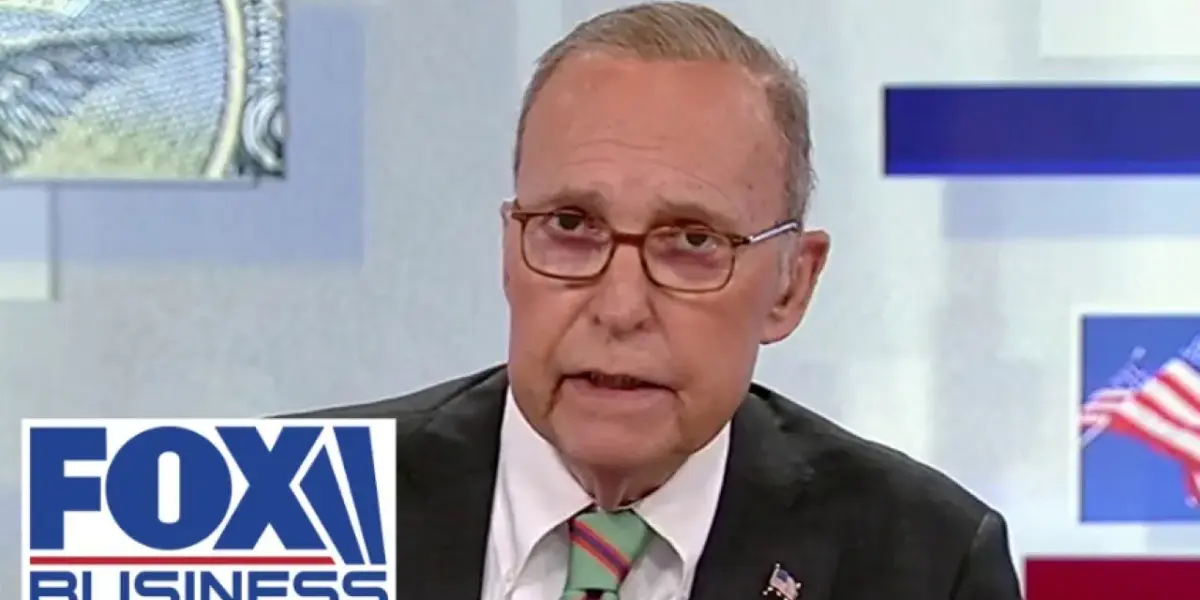
Larry Kudlow, a proponent of pro-growth economic policies, argues that while the President is focused on important foreign policy matters, his team and Congressional leaders must improve their efforts to promote the tax cuts. He suggests that Republicans should consider developing another economic growth plan.
Kudlow advocates for a comprehensive, or “wide-bodied,” plan that includes further tax cuts. He specifically mentions inflation-adjusted capital gains and significant budget savings from reducing waste, fraud, and abuse. Such a plan could also include funding for voter ID initiatives and the Pentagon’s wartime supplemental needs.
Senate Leader Open to Further Action
In a recent interview, Senate Majority Leader John Thune indicated openness to further legislative action. When asked about a potential “skinny” or “anorexic” reconciliation bill, Thune suggested that if the goal is a more comprehensive approach using reconciliation, there would be an opportunity to do so this year.
Thune expressed a willingness to pursue a “big and beautiful” version 2.0 plan. He stated, “I’m for doing more, not less.” This suggests a potential willingness within Republican leadership to consider a broader economic growth package, possibly including additional tax measures.
What Investors Should Know
The disconnect between tax cut benefits and public awareness highlights the importance of clear communication in economic policy. For investors, this means that the intended economic stimulus from the tax cuts may not be fully realized if consumer confidence and spending do not increase as expected due to lack of awareness.
The discussion around a potential “big and beautiful” 2.0 economic growth plan is also noteworthy. If enacted, such a plan could further influence market conditions by potentially boosting business investment and consumer spending. Investors will want to monitor legislative developments and any concrete proposals that emerge from Congress.
The current situation underscores that while legislative achievements can be significant, their market and economic impact often depend on effective communication and public understanding. The Republican party faces the challenge of not only passing legislation but also ensuring that its intended benefits are recognized and understood by the electorate and the market.
Source: Larry Kudlow: This message is NOT getting out… (YouTube)

Related Articles
Senator Tillis Criticizes Trump’s War Advice, Cites Cabinet Lapses
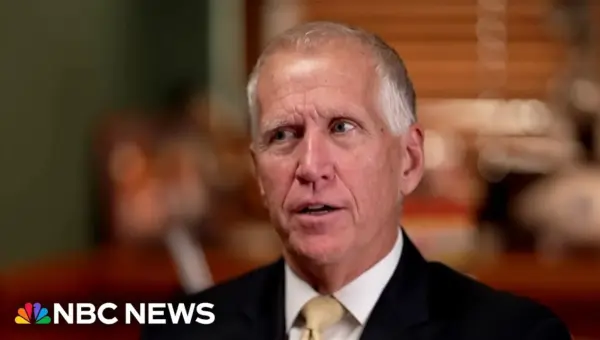
Retiring Senator Thom Tillis has voiced concerns about the White House's lack of clear objectives regarding U.S. military operations in Iran. In a recent interview, Tillis also offered his opinions on who is giving President Trump bad advice, including Stephen Miller and Pete Hegseth, while noting his own departure from re-election pressures allows for more candid commentary.

GOP’s Dignity Act Sparks Immigration Divide
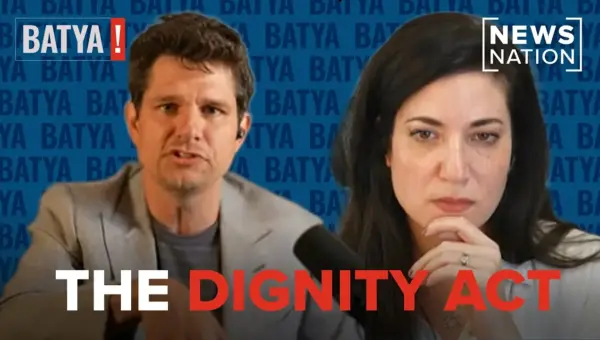
A new Republican proposal, the Dignity Act, offers legal status to undocumented immigrants, sparking a fierce debate. Supporters see it as a humanitarian step, while opponents label it amnesty. This discussion reveals deep divisions on immigration policy, economic impact, and the very definition of the American dream.
Trump Tax Cuts Boost Refunds, Fueling Campaign Narrative
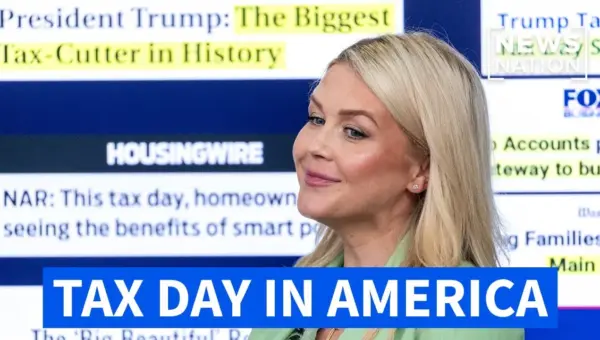
President Trump's administration is highlighting a surge in tax refunds, claiming over 53 million Americans benefited from the "working families tax cuts." Officials emphasized specific benefits like tax-free tips and overtime, contrasting these with Democratic proposals they say would raise taxes. The campaign uses Tax Day to promote the economic advantages of its policies.