Trump’s “Malignant Narcissism” and Vance’s “Dark Emptiness”
Gerard Baker and Katy Balls discuss Donald Trump's "malignant narcissism" and JD Vance's perceived "dark emptiness." The conversation covers the US blockade of Iran, Vance's evolving role, and Trump's controversial "Jesus Christ" post, exploring its political implications and the nature of faith and authenticity in politics.

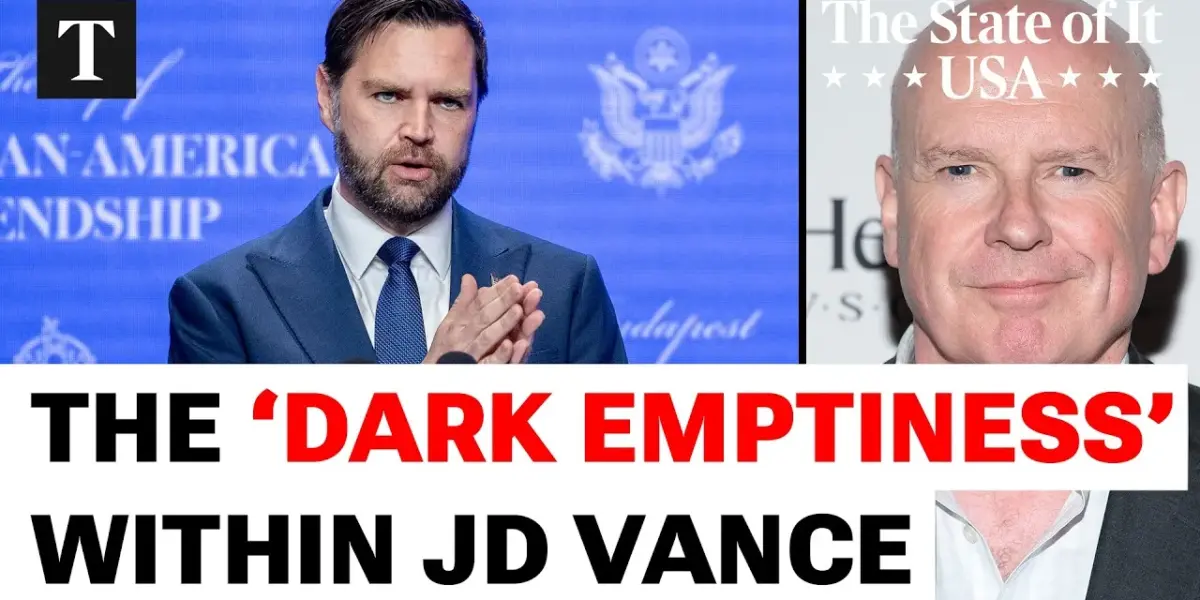
Trump’s Narcissism and Vance’s “Dark Emptiness” Explored
In a recent discussion on the State of USA podcast, Gerard Baker and Katy Balls delved into the complex personalities of Donald Trump and JD Vance, touching on Trump’s “malignant narcissism” and what Baker described as a “dark emptiness” within Vance.
Iran Blockade: An “Elegant Off-Ramp”?
The conversation began with the recent US blockade of Iranian ports, a strategy Baker labeled as potentially the “most elegant way” for the Trump administration to de-escalate conflict after failed negotiations led by JD Vance in Islamabad. Baker noted that despite military successes against Iran, the regime remains in place and its nuclear program is not fully dismantled, casting doubt on claims of strategic victory.
“The regime stays in place despite Donald Trump constantly saying the regime is gone,” Baker stated. “That regime is still there… it still has some nuclear material and presumably elements of a nuclear program that can be reconstituted.”
The blockade, Baker explained, aims to starve Iran of revenue and make economic conditions intolerable, pushing them towards a deal. It also seeks to pressure China to exert influence on Iran. This strategy is seen as a way for the US to withdraw from the conflict without leaving Iran in greater control of the Strait of Hormuz.
Vance’s Shifting Role and “Authenticity Problem”
Baker and Balls discussed JD Vance’s evolving role, from a perceived skeptic of the war to a key negotiator. Baker suggested sending Vance was a sign of seriousness from the Trump administration, acknowledging Vance’s public skepticism as a potential asset for negotiating an end to the conflict. However, he also called the task a “hospital pass,” implying it was a difficult mission.
A significant point of contention was Vance’s public stance on funding the war in Ukraine. Balls quoted Vance expressing pride in the administration’s decision to stop sending weapons to Ukraine. Baker found this remark “obscene,” arguing that while questioning the necessity of global intervention is valid, being proud of withholding aid to a country fighting an “illegal war of aggression” is deeply disturbing.
“There’s a vacancy in the middle of JD Vance’s soul that I find really, really dark and disturbing,” Baker remarked. He criticized Vance’s perceived inauthenticity, suggesting that Vance tailors his beliefs to his audience rather than speaking from conviction.
Balls countered with insights from UK government figures who found Vance more reasonable in private conversations, suggesting his public persona might be more performative. This led to a broader discussion about Trump’s transactional relationships with foreign leaders and his expectation of unwavering loyalty.
Trump, the Pope, and “Malignant Narcissism”
The conversation then shifted to Donald Trump’s controversial post depicting himself as Jesus Christ, which he later claimed was meant to show him as a doctor. Baker described Trump’s actions as standard behavior, noting his past clashes with Pope Francis.
Baker explored the potential political exploitation of anti-Catholic sentiment in the US, suggesting Trump might leverage criticism of the Pope among certain demographics. He also touched upon JD Vance’s own Catholic faith, questioning its sincerity given his perceived political opportunism and shifts in identity.
“Their repeated bouts of wrestling with their conscience amount to the longest winning streak in sporting history, because their conscience never wins. Their political expediency always does,” Baker quipped, applying the sentiment to Vance and others.
Balls highlighted Trump’s tendency to delete controversial posts, citing the Jesus image and a post about NATO troops, suggesting a realization of backlash rather than an admission of error. She also pointed to the role of aides like Susie Wilds in monitoring Trump’s social media activity.
Baker, identifying as Catholic, found the Jesus post amusing and entertaining, attributing it to Trump’s “wild sense of humor” rather than a genuine belief in divinity. He argued that Trump’s criticism of the Pope is unlikely to harm him politically, especially given the Pope’s own criticisms of war and immigration, which align with traditional Catholic teachings.
Looking Ahead
The discussion concluded by reflecting on Trump’s personal, instinctive approach to foreign policy and leadership, driven by a need for constant validation. The complexities of Trump’s relationships with allies and the perceived lack of core principles in figures like JD Vance remain key themes shaping the American political landscape.
Source: Trump's 'Malignant' Narcissism & 'The Dark Emptiness' Within JD Vance | Gerard Baker & Katy Balls (YouTube)

Related Articles


Trump Officials Dodge Key Questions on Economy, Gas Prices
Top Trump administration officials faced tough questions on rising gas prices and economic woes during a press briefing. Critics argue officials dodged key issues, offered vague promises, and deflected criticism by attacking opponents, all while serious economic concerns were met with lighthearted jokes.


China-US Tensions Flare: Blockade Risk Sparks Superpower War Fears
The U.S. blockade in the Strait of Hormuz has intensified tensions with China, raising fears of a potential superpower conflict. Expert Roger Boyes highlights China's use of a "shadow fleet" and military support for Iran, while President Trump attempts a delicate diplomatic approach ahead of a key meeting with President Xi Jinping.
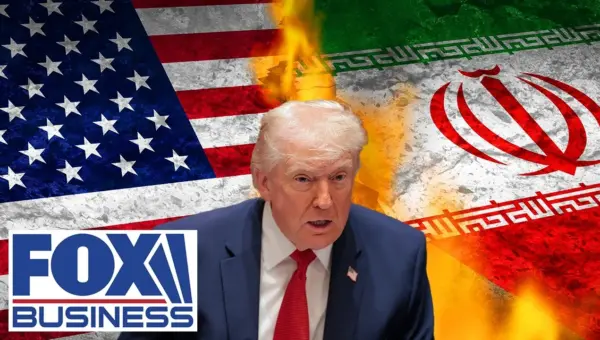
Trump Sees Iran Conflict Near End, Analysts Urge Caution
President Trump believes the conflict in Iran is "very close to over," but former advisor Keith Kellogg urges a cautious approach. The potential de-escalation could impact global markets, particularly oil prices. Investors should monitor the specifics of any resolution and its long-term implications for regional stability.