Trump Sees Iran Conflict Near End, Analysts Urge Caution
President Trump believes the conflict in Iran is "very close to over," but former advisor Keith Kellogg urges a cautious approach. The potential de-escalation could impact global markets, particularly oil prices. Investors should monitor the specifics of any resolution and its long-term implications for regional stability.

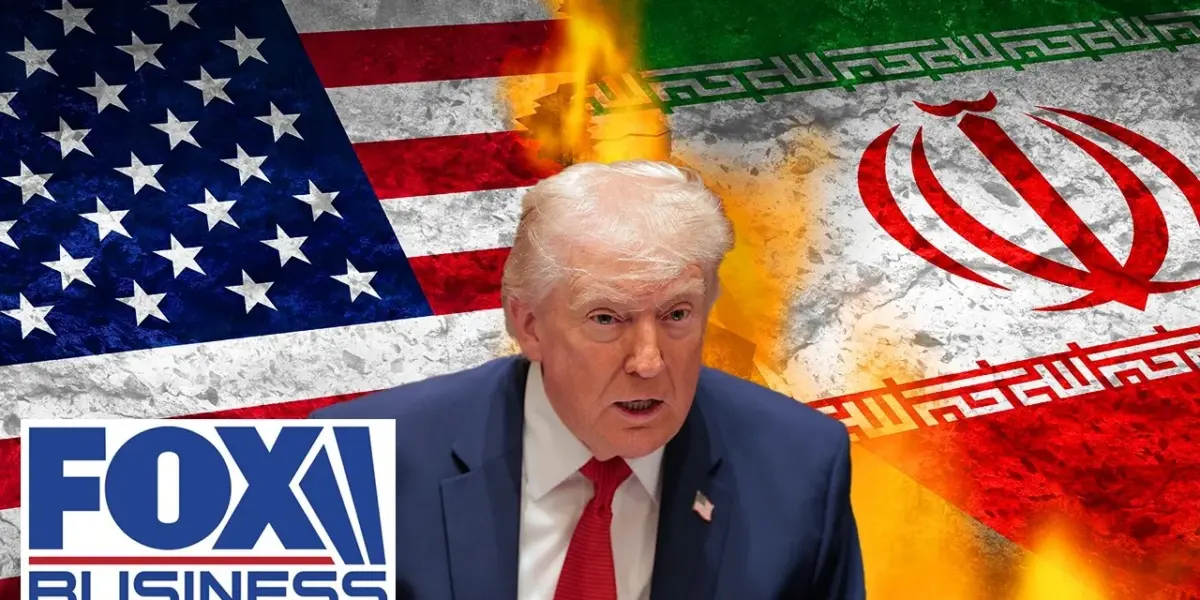
Trump Signals Iran Conflict Nearing Conclusion
President Trump has stated that the current conflict involving Iran is “very close to over,” suggesting a significant de-escalation may be imminent. Speaking on “Mornings with Maria,” the President indicated that a swift withdrawal of U.S. forces could lead to long-term instability and the potential for Iran to develop nuclear weapons.
“If I pulled up stakes right now, it would take 20 years to rebuild that country, and we are not finished,” President Trump remarked. He added that Iran is eager to negotiate a deal, stating, “They want to make a deal very badly.” This suggests a potential shift in the geopolitical landscape, with implications for regional stability and global security.
Expert Weighs In on “Close to Over”
Keith Kellogg, a former national security advisor, offered a more cautious perspective on the timeline for resolving the conflict. While acknowledging President Trump’s decisive actions, Kellogg stressed the need for clear objectives and a comprehensive strategy to address the long-term threat posed by Iran’s revolutionary government.
“I don’t know what close means, close or not close? City week or two weeks?” Kellogg questioned, highlighting the ambiguity of the term “close.” He emphasized that dealing with “revolutionary sellers” and “hard-core” individuals requires a firm hand and a clear definition of success.
Kellogg pointed to the high number of Iranian casualties, noting that the foreign minister stated they “filled more of their own people than we lost in the Korean War.” This highlights the internal dynamics and the ruthless nature of the regime, which he believes must be understood for any lasting resolution.
Defining the “Finish the Job” Strategy
Kellogg elaborated on his vision for decisively ending the threat, suggesting a strategic economic blockade and potentially taking control of critical Iranian infrastructure. He specifically mentioned Kharg Island, a vital oil distribution hub, as a key target. “My way of getting close is you finish the job by taking over economically the most valuable action which has to be distribution of oil which is Kharg Island,” he explained.
He stressed that simply leaving the region prematurely would be a mistake. “It’s time to take concrete action. Maybe it’s time to think hard about going to Kharg Island, taking over,” Kellogg stated, advocating for a complete dismantling of Iran’s nuclear capabilities and a robust economic strategy to achieve this.
The Role of Economic Pressure
The strategy involves not only military strength but also economic pressure. A blockade could cripple Iran’s ability to fund its military ambitions and nuclear program. This economic approach, combined with military readiness, aims to compel Iran’s leadership to abandon its destabilizing activities.
Kellogg also raised concerns about the lack of transparency regarding Iranian military operations, particularly minefields. “In the United States Army, when you do a minefield, you’ve got to record it. That doesn’t happen,” he said, expressing distrust in Iran’s record-keeping and the potential hidden dangers that U.S. forces might encounter.
Market Impact and Investor Outlook
The prospect of a resolution to the Iran conflict, even if defined differently by various parties, could have significant ripple effects across global markets. Geopolitical stability is often a key driver of investor confidence, and a de-escalation in a volatile region like the Middle East could lead to increased investment and reduced volatility in oil prices.
However, the exact terms of any resolution remain unclear. Investors will be closely watching the specific actions taken by the U.S. and Iran, as well as the reactions of other global powers. The long-term implications depend on whether the underlying issues driving the conflict are genuinely resolved or merely suppressed.
For investors, understanding the nuances of the situation is crucial. While a reduction in conflict could be seen as positive, the potential for lingering threats or a poorly managed withdrawal could introduce new risks. The focus will likely remain on energy markets, defense stocks, and broader indices sensitive to international relations.
What Investors Should Know
- Geopolitical Risk Premium: Conflicts in the Middle East often contribute to a “risk premium” in oil prices, meaning prices are higher due to the potential for supply disruptions. A de-escalation could reduce this premium.
- Economic Sanctions: The effectiveness of economic blockades and sanctions as tools to compel a nation’s behavior is a key consideration. The impact on Iran’s economy and its trading partners will be closely monitored.
- Long-Term Stability: True resolution requires addressing the root causes of the conflict. Investors should consider whether any agreement leads to lasting peace or merely a temporary pause.
- Defense Sector: Changes in geopolitical tensions can impact defense spending and the outlook for companies in the defense sector.
The situation remains fluid, and while President Trump expresses optimism about a swift end to the conflict, strategic considerations and the complex nature of the Iranian regime suggest that vigilance and a clear understanding of the terms of resolution will be paramount for market participants.
Source: WAR NEARING END: Trump says conflict is VERY close to over (YouTube)

Related Articles
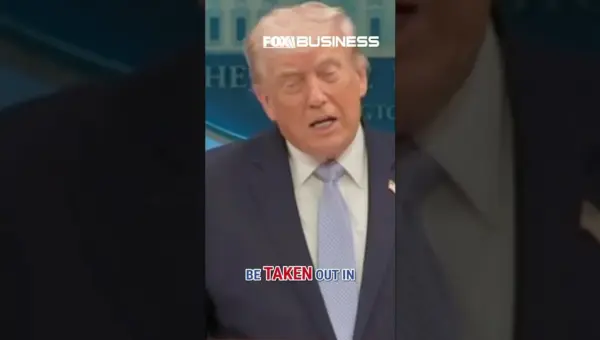
Trump Warns Iran: “Entire Country Can Be Taken Out”
Former President Donald Trump issued a strong warning to Iran, stating the entire country could be taken out in one night. The declaration followed the crash of an American F-15 jet in Iranian territory and the successful rescue of its crew. This geopolitical tension could influence market sentiment and specific industry sectors.

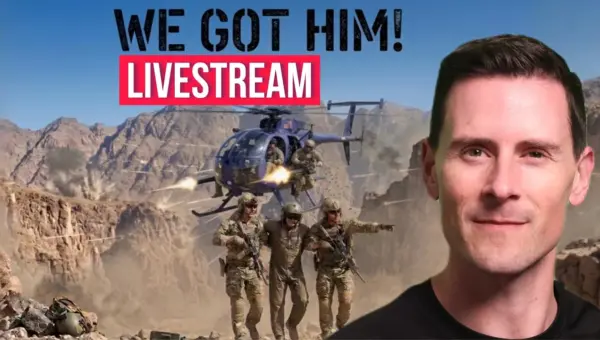
US Air Force Conducts Daring Rescue of F-15E WSO in Iran
U.S. special operations forces conducted a daring rescue of a downed F-15E WSO deep within Iran's Zagros Mountains. The mission involved elite units, advanced aircraft, and the destruction of U.S. assets to prevent capture. The operation highlights U.S. capabilities amid heightened tensions with Iran.

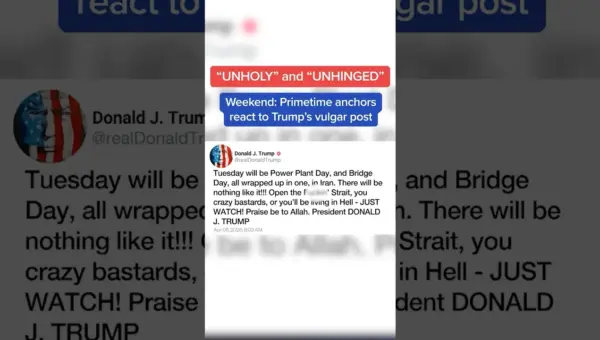
Trump’s Vulgar Easter Post Sparks Anchor Outrage
Primetime news anchors reacted with alarm to a vulgar and threatening social media post by former President Donald Trump directed at Iran on Easter Sunday. Journalists described the language as 'unholy' and 'unhinged,' questioning the appropriateness of such rhetoric on a religious holiday and its broader implications for political discourse and foreign policy.