Trump’s Grip Weakens as Allies Falter, Democracy’s Future Hinges
Donald Trump's approval ratings are plummeting, even among his core supporters, signaling a potential collapse of the MAGA movement. Global events, like Hungary's shift to democracy, and domestic economic woes are fueling discontent and opening doors for broader political coalitions.

America’s Political Center Cracks as Trump’s Influence Wanes
The political landscape around Donald Trump appears to be shifting dramatically. Recent polls show a significant drop in his approval ratings across all demographics, even with his core supporters like working-class white voters without college degrees. This decline suggests a potential fracturing of the conservative movement and the MAGA base. The transcript notes a 40-point drop in Trump’s approval, with a staggering 45-point drop among younger generations. This widespread erosion raises questions about the future strength and direction of the Republican party.
Global Echoes: Hungary’s Democratic Shift Mirrors U.S. Concerns
Beyond U.S. borders, a similar narrative of change is unfolding. Hungary, once led by what the transcript calls a “tyrant prime minister,” Victor Orban, has elected a more pro-democracy leader. This event is seen as significant, especially as it’s revealed Orban’s government funded CPAC, a major conservative conference in America. The funding, described as corrupt, highlights how international figures may have sought to influence American politics. The ousting of Orban offers a potential parallel to the challenges facing right-wing movements globally.
The Erosion of the MAGA Movement
The MAGA movement itself seems to be unraveling. The transcript suggests that Donald Trump’s actions, including renewed attacks on the Pope and a perceived “meltdown,” are contributing to this decline. The potential invocation of the 25th Amendment is mentioned as a sign of the administration’s instability. Furthermore, the war in Iran is cited as a major point of contention, impacting everyday Americans through rising gas prices and economic hardship. Many who initially supported Trump are reportedly reconsidering their stance due to these tangible negative effects on their lives.
A Call for Broader Coalitions and Democratic Engagement
The analysis suggests that this period of political upheaval could present an opportunity for Democrats. By engaging with voters disillusioned by the current state of affairs, Democrats might be able to build broader coalitions. The Hungarian election is presented as an example, where a wide range of groups, from liberals to conservatives, united to defeat an autocrat. This model of coalition-building is proposed as a potential path forward for American politics. The idea is that even those who disagree on many issues can find common ground on the fundamental need to protect democracy.
Economic Woes Fuel Discontent
A recurring theme is the economic strain on ordinary Americans. Issues like high gas prices, the rising cost of living, and the complexities of streaming services are used as examples of how everyday people feel taken advantage of. This widespread economic frustration is seen as a key driver of political dissatisfaction. The transcript notes that even staunch Trump supporters are expressing concerns about their financial well-being, indicating that economic realities are starting to outweigh other political considerations for many voters.
The Role of Faith and Hypocrisy in Politics
The transcript delves into the intersection of religion and politics, particularly criticizing the use of faith as a political shield. It highlights perceived hypocrisy within some conservative circles, pointing to instances where religious figures and politicians seem more offended by critiques of their political actions than by perceived attacks on religious leaders or institutions. The criticism is directed at those who use religious rhetoric to justify policies that harm marginalized groups, while simultaneously alienating religious minorities like Catholics. This disconnect between stated values and actions is seen as further eroding trust.
Historical Context: The Rise and Potential Fall of Populism
The discussion touches upon the broader trend of right-wing populism that has gained traction globally. Figures like Victor Orban are presented as key architects of this movement. However, the transcript suggests that this wave may be cresting. The failures of certain populist leaders to deliver on their promises, coupled with their increasingly controversial actions and rhetoric, are leading to their decline. The defeat of Orban and the struggles of other figures are seen as evidence that this political force may be losing its momentum.
Looking Ahead: A Transitive Wave of Change?
The analysis concludes by suggesting that American politics might be in a “transitive wave of change.” This period could lead to significant shifts in power if Democrats can effectively capitalize on the current discontent and build inclusive coalitions. The possibility of a substantial Democratic majority in future elections is raised, drawing parallels to historical periods of political realignment. The emphasis is on engaging in dialogue, listening to concerns, and creating pathways for people to reconsider their political allegiances without feeling attacked. The ultimate goal is to move the country away from divisive populism and towards a more stable, democratic future.
Why This Matters
This analysis highlights a critical juncture in American politics. The apparent weakening of Donald Trump’s support base, coupled with global shifts away from authoritarian leaders, suggests a potential turning point. The economic anxieties of everyday Americans are becoming a powerful force, potentially reshaping political loyalties. The discussion about faith and hypocrisy in politics raises important questions about integrity and authenticity in leadership. The future direction of the country may depend on the ability of political movements to build broad coalitions, address economic concerns, and uphold democratic values in a way that resonates with a diverse electorate. The current moment calls for thoughtful engagement and a focus on shared values to navigate these complex challenges.
Implications and Future Outlook
The implications of these trends are far-reaching. If Trump’s support continues to erode, it could lead to significant Republican losses in future elections. This could, in turn, shift the balance of power in Congress and potentially pave the way for a Democratic presidency with a strong mandate. The focus on economic populism and addressing the concerns of working-class voters could also signal a broader shift in political priorities. The future outlook suggests a period of significant political flux, where the ability to build consensus and address the needs of ordinary citizens will be paramount. The success of movements that prioritize democratic norms and inclusive governance will be a key indicator of the health of political systems worldwide.
Historical Context and Background
The current political climate can be understood within the broader context of rising global populism and nationalism over the past decade. Donald Trump’s election in 2016 was seen by many as a manifestation of this trend, tapping into widespread economic anxieties and cultural grievances. Similarly, figures like Victor Orban in Hungary have leveraged similar sentiments to gain and maintain power. The transcript’s discussion of CPAC funding by foreign entities also points to the international dimensions of these political movements. Understanding this historical backdrop is crucial for grasping the significance of the potential shifts discussed in the analysis.
Source: Sh*t just hit the fan… (YouTube)

Related Articles

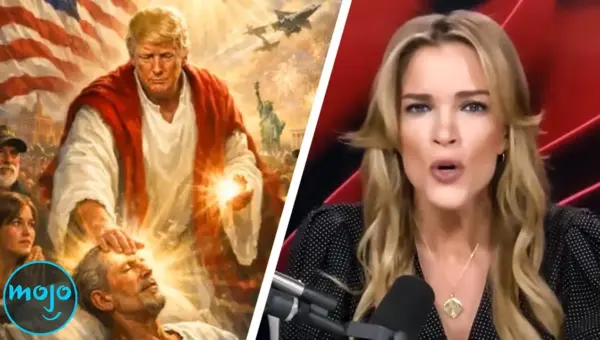
Trump’s Allies Rebel: Conservatives Slam President’s Policies
Prominent conservative figures and lawmakers are openly criticizing President Trump's policies in 2026, signaling a growing divide within the movement. From Candace Owens questioning the Iran conflict to Senator Rand Paul challenging trade policy, a wave of dissent is challenging the president's agenda.
Trump Threatens Fed Chair Powell, Faces Nomination Blockade
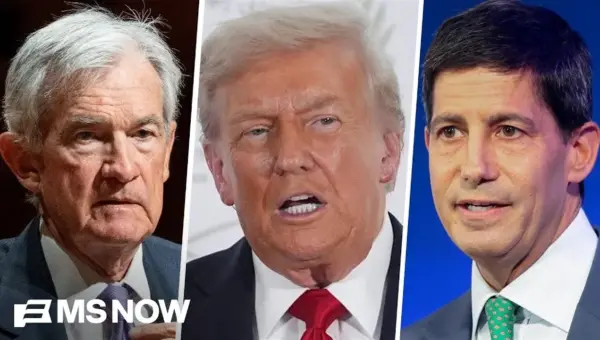
President Trump is threatening to fire Fed Chair Jerome Powell over a renovation probe, creating a political stalemate. Senator Tom Tillis is blocking Trump's nominee, Kevin Warsh, until the investigation concludes. Warsh himself faces scrutiny over his vast personal wealth, estimated between $135-226 million, raising conflict of interest concerns.
AG’s Shocking Defense: Trump’s DOJ is a ‘Good Thing’!
Acting Attorney General Todd Blanch's comments suggest the Department of Justice should openly serve the president's political agenda. This radical departure from tradition raises alarms about the politicization of justice and its impact on democracy.