Oil Prices Dip 5% as Iran Port Blockade Eases
Oil prices dropped 5% below $100 a barrel as a U.S. blockade on Iranian ports was fully implemented. Tankers reversed course amid potential peace talks. The administration also highlighted deregulation efforts to boost domestic energy production and exports.

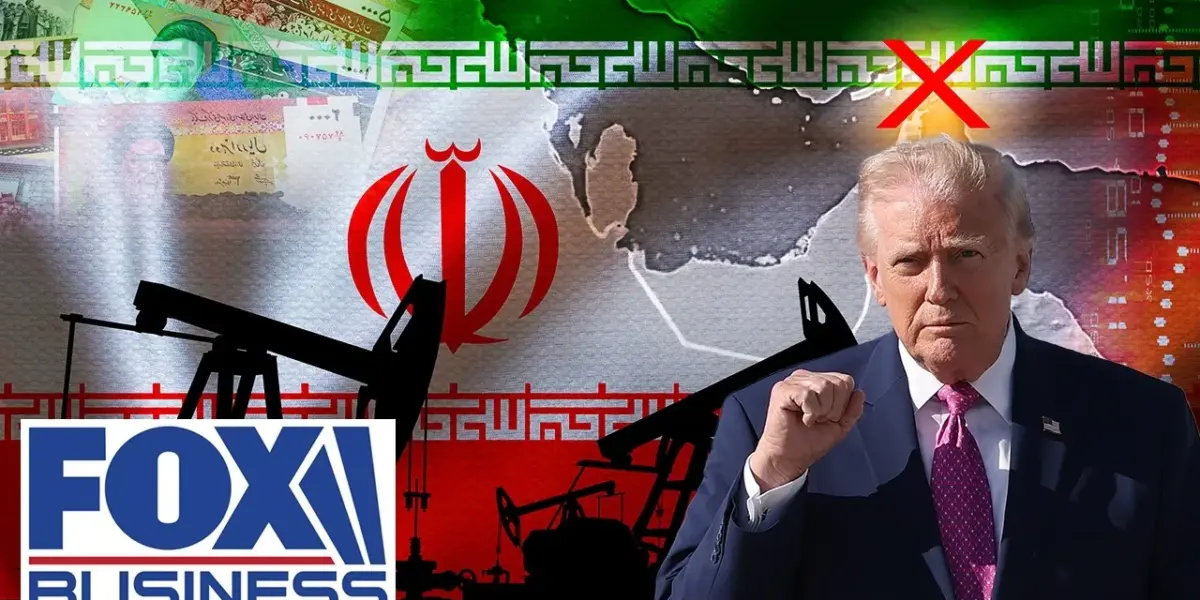
Oil Prices Fall as Iran Port Blockade Eases
Oil prices saw a significant drop of 5% this morning, falling below $100 a barrel. This decline follows the full implementation of a U.S.-led blockade on Iranian ports. Tankers have reportedly reversed course, signaling a potential de-escalation in the conflict. Renewed peace talks with Iran are rumored to begin this weekend in Pakistan.
Crude oil prices are currently hovering around $91.63 per barrel, showing a slight increase of one-third of a percent today. This situation comes as American energy producers are boosting exports, with U.S. crude exports on track for record levels.
President’s Confidence in Falling Prices
President Trump expressed strong confidence that oil prices will continue to fall after the Iran conflict concludes. He even suggested prices might drop further before the upcoming midterm elections. “If you told me we would be 92 dollars a barrel I would have been very surprised,” President Trump stated in an exclusive interview. “I am very happy. Going to come dropping down very big as soon as this is over.” He believes prices will settle around current levels or even lower.
Energy Policy Focus on Deregulation and Exports
The administration’s focus has been on energy independence and boosting domestic production. “The President started this effort the moment he was sworn in, declaring an energy emergency and establishing a National Dominance Council to talk about pipeline projects and coal,” explained Lee Zeldin, a U.S. Representative. This approach aims to unleash energy production and increase exports, which is seen as beneficial for both the environment and the economy compared to many other countries.
Zeldin highlighted observations from a recent trip to Tokyo, where he noted discussions among 17 Indo-Pacific countries. Many U.S. companies are looking to diversify their supply chains away from the Middle East due to concerns about freedom of navigation. He pointed out the significant time savings in receiving supplies from Alaska, which takes 8 days, compared to 28 days from the Middle East. This focus on reliable, baseload power strengthens America’s position for the long term, benefiting the economy, national security, and the environment.
Major Deregulation Moves
A significant announcement was made regarding the rollback of environmental regulations. This move aims to boost energy supply, particularly in the Northeast, and has been met with support from some quarters while drawing criticism from climate activists. “You pointed out that was big. President Trump is the reason why that got punched over the finish line,” Zeldin remarked.
The administration rescinded Obama-era rules on greenhouse gas emissions, which they claim will save trillions of dollars and make energy more affordable. This is presented as an example of deregulation proving that environmental protection and economic growth can go hand-in-hand. “We can choose both,” Zeldin stated.
Concerns Over Justice Department and FBI
Beyond energy policy, discussions touched upon alleged political motivations within the Justice Department and FBI. Zeldin, who has legal experience and served on the President’s impeachment defense team, expressed strong views on the matter. He described a “coordinated attack” aimed at undermining the President’s campaign and administration.
“There is a rot inside that building that has to be cleaned up,” Zeldin asserted. He called for accountability for actions taken against the President and his allies. The use of these departments as political weapons has been a long-standing concern for him, witnessing firsthand what he described as an “outrageous” attempt to take out a sitting President.
Market Impact
The immediate impact of the eased tensions and the U.S. blockade on Iranian ports is a cooling of oil prices. A 5% drop below the $100 a barrel mark is a welcome sign for consumers and could help curb inflation. For American energy producers, the current environment supports a strong export market, potentially leading to record export levels.
What Investors Should Know
Investors are watching the geopolitical situation closely, as it directly influences energy markets. The administration’s push for deregulation and increased domestic production suggests a continued focus on strengthening the U.S. energy sector. This could benefit companies involved in oil and gas extraction, pipelines, and related infrastructure.
The long-term implications involve balancing energy production with environmental concerns, a policy direction the current administration appears committed to. The potential for sustained lower oil prices, if the Iran conflict de-escalates, could ease inflationary pressures across the broader economy. However, any resurgence in geopolitical tensions could quickly reverse these gains.
Source: BLOCKADE DRAMA: US moves CHOKE Iran ports as tankers flee (YouTube)

Related Articles

Oil Prices Surge to $91 Amid Geopolitical Tensions
Oil prices have surged to $91 a barrel, driven by disruptions in the Strait of Hormuz. This is leading to higher gas prices across the U.S., with California facing particularly steep costs. The situation is fueling debate on energy policy, exports, and the transition to renewable fuels.

China’s Iran Gambit: Deception or a New World Order?
President Trump claims China will stop sending weapons to Iran, but deep skepticism remains due to China's past support and use of spy satellites to aid Iran. This move could be a strategic ploy to weaken the US military.

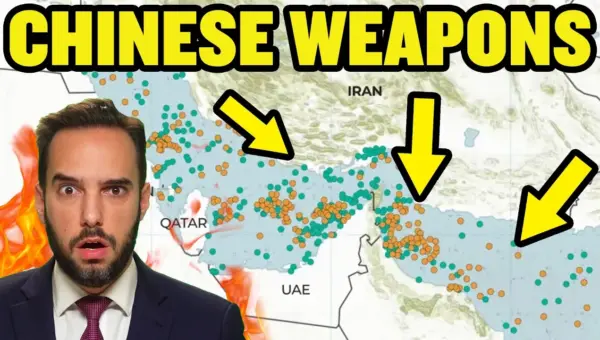
China Aids Iran Amid US Conflict Escalation
Recent intelligence suggests China is secretly supplying Iran with weapons like MANPADS and sharing critical intelligence, a significant escalation from its previous stance. This move, if confirmed, could deepen regional conflict and lead to severe US economic retaliation, while highlighting long-standing strategic ties between Beijing and Tehran.