Israel, Lebanon Launch Historic US-Mediated Dialogue
Israel and Lebanon have begun a historic US-mediated dialogue, marking the first direct negotiations between the nations since 1993. The talks aim to disarm Hezbollah and establish lasting peace, despite ongoing rocket fire into northern Israel. Israeli officials emphasized that Lebanon and Israel are now on the same side, opposing Hezbollah and Iranian influence.

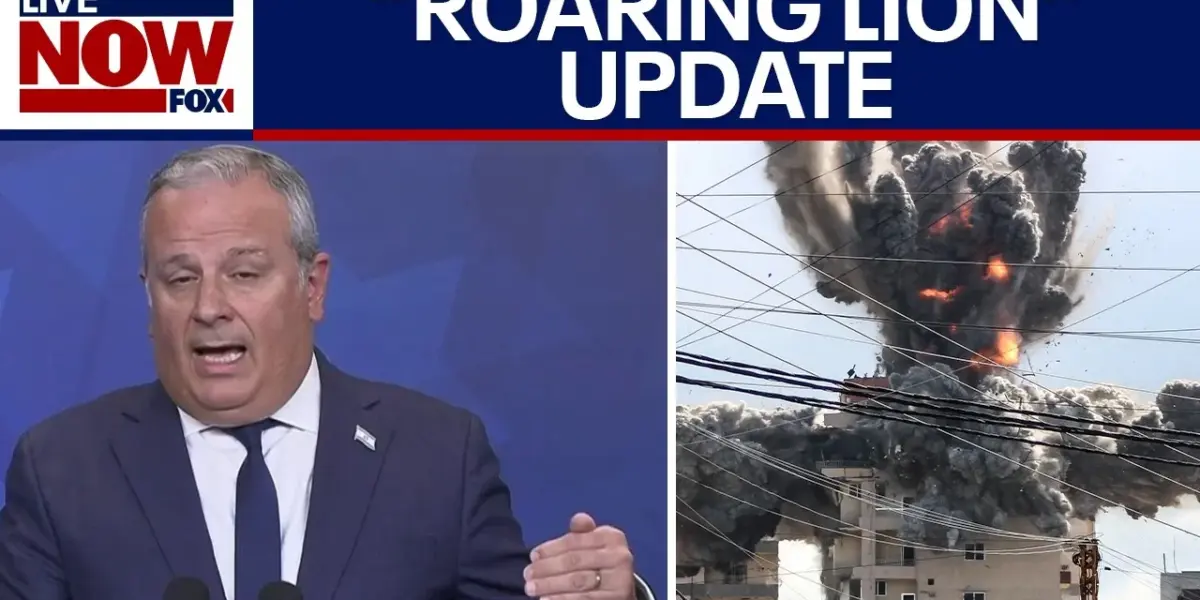
Israel and Lebanon Begin Direct Talks, Aiming for Peace
In a significant diplomatic development, Israel and Lebanon have initiated a US-mediated dialogue, a move described as opening a historic door between the two nations. Senior representatives from Israel, Lebanon, and the United States met in Washington, marking the first direct negotiations between Israel and Lebanon since 1993. The Israeli government expressed gratitude to President Trump and his administration for facilitating these talks.
Objectives: Disarmament and Lasting Peace
The primary goal of these direct negotiations is straightforward: to disarm what Israel calls “terrorist infrastructure” and create conditions for lasting peace. Israeli officials emphasized that security, stability, and prosperity cannot exist alongside an armed terrorist force dominating a sovereign state. They stated that a ceasefire discussion is impossible with a terrorist organization that continues to fire indiscriminately at Israeli civilians, calling it the main obstacle to diplomacy.
Liberating Lebanon from Iranian Influence
Israel views this dialogue as a genuine opportunity to end decades of what it describes as a “stranglehold” over Lebanon, a period during which Lebanon has allegedly attacked Israel and inflicted damage on both nations. The Israeli government clarified that the Lebanese people are not enemies but rather victims of Hezbollah and the Iranian regime, which they claim arms, funds, and directs the group. The vision presented is one of people crossing borders for business or vacation, not rockets. This future, officials stated, begins with removing Hezbollah’s weapons and ending Iran’s “proxy grip” on Lebanon.
Hezbollah Attacks Continue Amidst Talks
Despite the diplomatic progress, rocket fire from Lebanon into northern Israel has continued. The Israeli government reported that on the morning of the briefing, 40 rockets were fired at homes and villages, targeting civilians regardless of their religion. This indiscriminate fire at civilians, they noted, is rarely reported in international media. Israel has faced thousands of rocket and drone attacks and vowed to make the terrorists “pay a heavy price.”
Israel’s Military Operations Against Hezbollah
In response to ongoing attacks, Israel has intensified its military operations against Hezbollah. Since February, Israel claims to have eliminated over 1,600 Hezbollah terrorists. The Israel Defense Forces (IDF) are actively targeting commanders, operatives, headquarters, weapons depots, launchers, and terror infrastructure. In the 24 hours preceding the briefing, the IDF conducted operations to defend northern communities, targeting Hezbollah headquarters and anti-tank positions.
US Role and Future Negotiations
The US Department of State is brokering these discussions, with Ambassador Lighter leading the talks on behalf of Israel. When asked about the outcomes of the meeting in Washington and the timeline for future discussions, officials referred reporters to statements made by Ambassador Lighter. They indicated that further details regarding the location and representation for the next meeting would be shared at the appropriate time. The talks are described as being led very closely by the US ambassador.
Ceasefire Support and Nuclear Concerns
Regarding a potential ceasefire, the Israeli prime minister has expressed support for President Trump’s decision to suspend strikes against Iran for two weeks. Israel’s stance is that Iran must not possess nuclear weapons, nor should it have the missile and terrorist capabilities that pose a threat to Israel, the United States, and the civilized world. Officials urged people to consider what a nuclear-capable Iran might do, given its past actions in the region, including attacks on the UAE and ballistic missile launches that can reach Europe.
Disarmament: A Key to Regional Peace
Addressing the challenge of disarming Hezbollah, officials recalled a previous ceasefire agreement in 2014 that included a commitment from the Lebanese government to disarm the group, a commitment that was not fulfilled. However, they highlighted a shift in the current dialogue, stating that Israel and the Lebanese government are now on the “same side,” with Hezbollah on the opposing side. The disarmament of Hezbollah is considered absolutely key to peace in the region. They asserted that Hezbollah is hated by a significant portion of the Lebanese population and does not defend Lebanon but acts as the “forward army of the Iranian regime.” The Israeli government believes that peace is achieved through strength, and the current diplomatic progress is a result of Iran and Hezbollah being weakened.
Looking Ahead
While specific details about the next steps in the dialogue remain confidential, the initiation of direct talks between Israel and Lebanon, mediated by the US, represents a significant diplomatic effort. The focus on disarming Hezbollah and ending Iranian influence is central to achieving lasting peace. Continued rocket fire from Lebanon and Israel’s ongoing military operations highlight the complex and volatile nature of the situation. Future briefings are expected, with further updates on the progress of these historic negotiations anticipated.
Source: Israeli Govt. provides update on Iran ceasefire talks (YouTube)

Related Articles


US Tightens Grip on Iran: Blockade Continues, Troops Surge
The U.S. has initiated a naval blockade of Iranian ports, deploying thousands of additional troops to the Middle East to increase economic pressure. Meanwhile, diplomatic efforts are underway with the start of Lebanon-Israel ceasefire talks, occurring amidst significant civilian casualties and ongoing regional tensions.


Israel, Lebanon Engage in Direct U.S.-Mediated Talks
Israel and Lebanon have held direct talks mediated by the United States, aiming to ease border tensions. Discussions focused on security concerns, particularly the influence of Hezbollah. While the U.S. hailed the dialogue, skepticism remains regarding past negotiation outcomes.
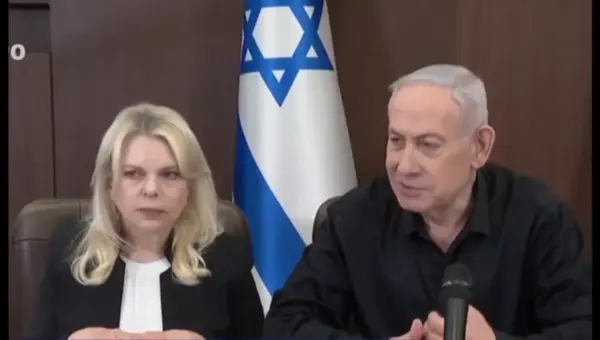
Hezbollah Fighters Surrender Amid Escalating Israel-Lebanon Conflict
Three Hezbollah fighters surrendered to Israeli troops amid escalating conflict and diplomatic talks between Israel and Lebanon. The event occurs alongside Holocaust Remembrance Day observances in Israel, drawing historical parallels to current threats.