Trump Opens Strait of Hormuz, Signals End to Conflict
President Trump announced the permanent opening of the Strait of Hormuz, leading to a drop in oil prices and stock market surges. Diplomatic talks between Israel and Lebanon concluded productively, while U.S.-Iran negotiations face hurdles over nuclear ambitions and regional security.

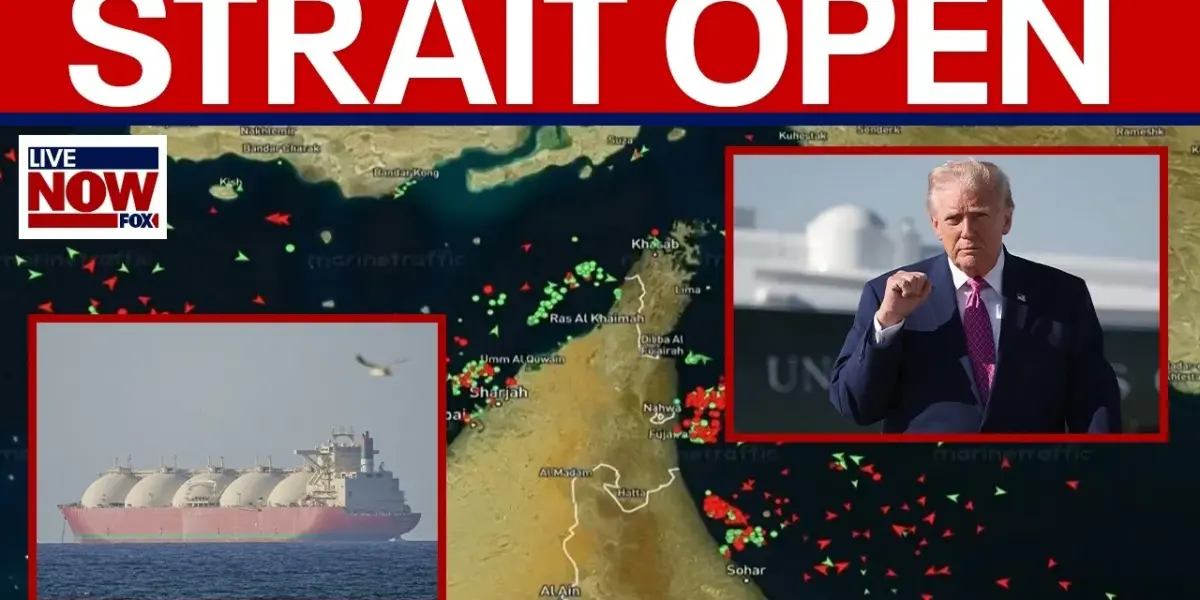
Strait of Hormuz Reopened, Oil Prices Drop Amid Peace Hopes
In a significant development this morning, President Trump announced the permanent opening of the Strait of Hormuz. This move has led to a noticeable drop in oil prices, fueled by optimism that the ongoing conflict may be nearing its end. The positive sentiment extended to the U.S. stock market, with indices surging close to record highs last seen in January.
Diplomatic Breakthroughs: Israel, Lebanon, and Iran
Meanwhile, Washington D.C. hosted the first direct talks in decades between the Israeli and Lebanese ambassadors to the U.S. These discussions concluded on a productive note, according to the U.S. State Department. These initial talks followed a round held last week.
Separately, efforts to achieve a permanent end to the U.S.-Iran conflict faced a setback. Talks held in Pakistan failed to produce an agreement. The White House cited Iran’s nuclear ambitions as a central point of contention.
President Trump stated, “this war could be coming to a close shortly here… If I didn’t do that, right now, you would have Iran with a nuclear weapon.” He added, “I think it’s close to over here. I mean, I view it as very close to over.”
New Social Media Post Signals China’s Approval
A recent post on Truth Social from President Trump revealed a new dimension to the Strait of Hormuz situation. Trump declared, “China is very happy that I’m permanently opening the street of Hormuz. I’m doing it for them also and the world this situation will never happen Again.” He further stated that Iran has agreed not to send weapons to other nations.
Expert Analysis: Geopolitical and Economic Implications
Jonathan Sy from the Foundation for Defense of Democracies offered insights into the geopolitical ramifications. “It’s no surprise that ultimately China wants the supply chain to still flow through the strait,” Sy commented. He noted that while the Strait’s status is often discussed in black and white terms, the reality is more complex, with Chinese vessels previously allowed passage.
Sy emphasized that the effectiveness of any blockade hinges on its persistence. He suggested that the administration’s strategy might involve building leverage for negotiations or aiming to cut off Iran’s cash flow to foster internal dissent. “We have to wait and see whether the administration is simply trying to build leverage for talks or they’re just using this blockade to deprive the regime of cash flow,” he explained.
Key Issues in Negotiations
The expert highlighted several sticking points in potential U.S.-Iran negotiations:
- Iran’s Nuclear Ambitions: Disagreements persist over the extent and duration of Iran’s enrichment halt. The details of any agreement, such as the fate of centrifuges, remain unclear.
- Strait of Hormuz: Iran’s demands regarding passage through the vital waterway are seen as increasingly ambitious, with comparisons drawn to the Panama Canal, though distinct due to Iran’s actions.
- War Compensation: Iran’s demand for compensation for past conflicts is viewed as a potential strategy to seek sanctions relief rather than a direct claim.
Sy concluded that the maximalist demands from Tehran, coupled with Trump’s desire for a swift resolution, create a complex negotiation dynamic. He cautioned that extending a ceasefire does not automatically guarantee success in the talks.
Market Reaction and Future Outlook
Markets are expected to react strongly to perceptions surrounding the Strait of Hormuz situation. While reports of Iranian vessels passing the blockade have surfaced, confirmation remains scarce. The long-term effectiveness of any economic pressure strategy will depend on sustained implementation and the inclusion of humanitarian channels for essential goods like food and medicine.
The administration’s focus on clearly distinguishing between targeting illicit oil exports and harming the average Iranian citizen is considered critical for international perception. As negotiations are set to resume, the world watches to see if these diplomatic efforts can translate the current optimism into lasting peace and stability in the region.
Source: BREAKING: Trump permanently opening Strait of Hormuz "China is happy" (YouTube)

Related Articles

US Imposes Iran Port Blockade; Peace Talks Loom Amid Tensions
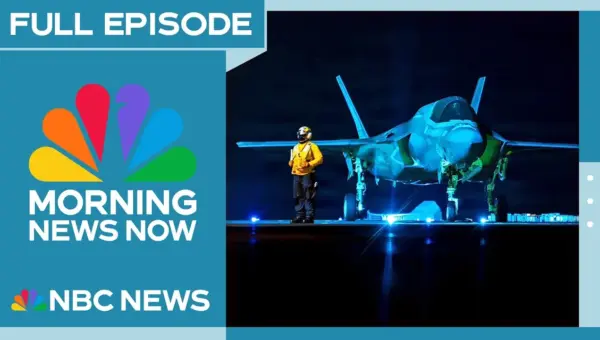
U.S. forces have fully implemented a blockade on Iranian ports, halting trade amid escalating Middle East tensions. Peace talks between the U.S. and Iran are reportedly on the horizon, though Iran's nuclear program remains a key obstacle. Meanwhile, historic direct talks between Israel and Lebanon took place in Washington, marking a significant diplomatic step.
Oil Prices Dip 5% as Iran Port Blockade Eases
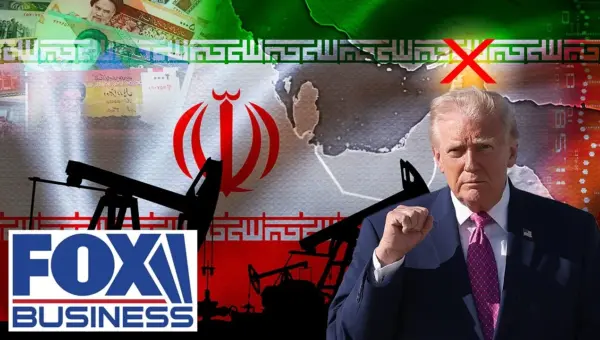
Oil prices dropped 5% below $100 a barrel as a U.S. blockade on Iranian ports was fully implemented. Tankers reversed course amid potential peace talks. The administration also highlighted deregulation efforts to boost domestic energy production and exports.
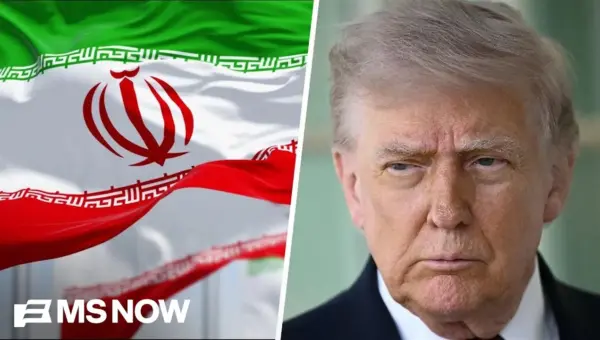
Trump Claims Iran War Nearing End Amid Conflicting Reports
President Trump has declared the conflict with Iran is nearing its end, but conflicting reports highlight the complexities of the U.S. naval blockade. Experts question the administration's optimism, citing Iran's historical resilience and the significant resources required to maintain the blockade. Geopolitical shifts, including potential U.S. withdrawal from NATO and China's growing assertiveness, add further layers of uncertainty to the evolving situation.