Iran Tensions Rise as US Blockades Ports
The US has imposed a naval blockade on Iran to cut off its funding, a move supported by most Americans in principle but not in practice due to economic costs. Meanwhile, internal Democratic Party struggles and a major scandal in California's gubernatorial race add to the political turbulence.

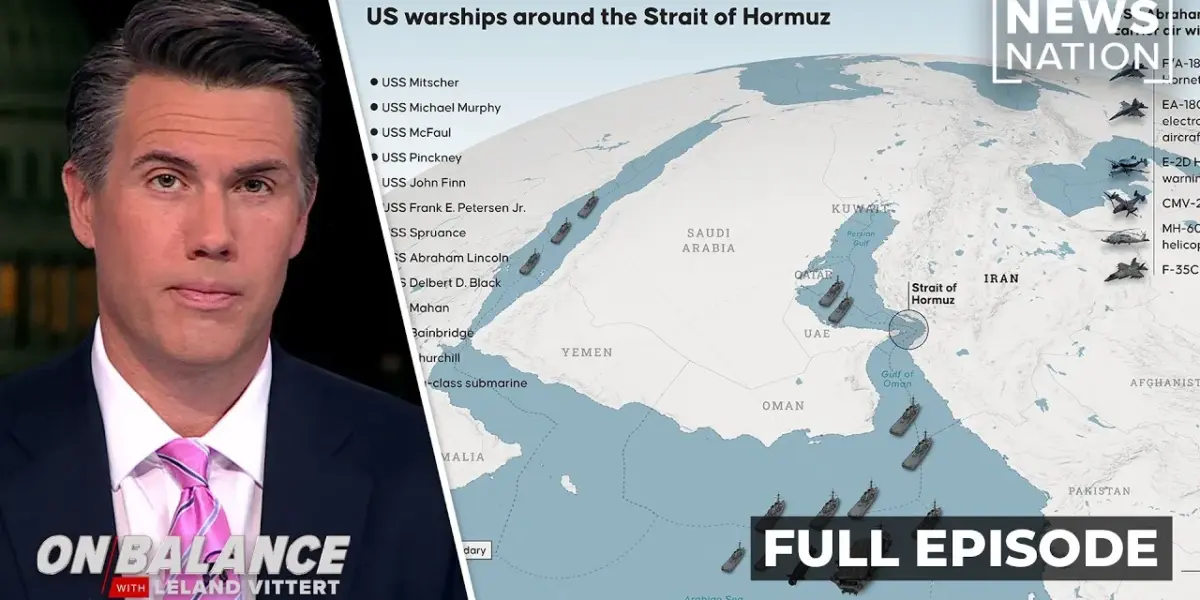
US Imposes Naval Blockade on Iran Amid Escalating Tensions
The United States has intensified its pressure on Iran by implementing a naval blockade of the country’s ports. This move aims to cut off financial resources to the Iranian regime, with the hope of forcing them back to the negotiating table. However, the strategy carries significant risks, potentially worsening an already difficult situation for President Trump.
Americans Support Goals, Reject Costs of Iran Policy
Recent polls show that a large majority of Americans support the stated goals of the US policy towards Iran. These goals include ensuring the safe passage of ships through the Strait of Hormuz, promoting safety and freedom for the Iranian people, and permanently stopping Iran’s nuclear programs. Americans also want to prevent Iran from attacking its neighbors. Despite this broad support for the objectives, only 36% of Americans approve of President Trump’s handling of the situation. This suggests a public desire for the outcomes without wanting to bear the economic pain associated with achieving them.
Iran’s Unwavering Stance and Religious Motivation
The transcript suggests that Iran is unlikely to voluntarily abandon its pursuit of nuclear weapons, open the Strait of Hormuz, or cease funding regional militant groups. This behavior is attributed to a deeply ingrained religious and historical context, described as a “1,400-year-old religious war.” This perspective implies that forceful measures may be the only way to counter Iran’s actions. Such actions, however, are expected to lead to increased costs for Americans, including higher gas and grocery prices, which contributes to the president’s low approval ratings.
Papal Intervention and Presidential Response
Pope Francis has called for peace, dialogue, and multilateral relationships to find solutions to global problems. However, President Trump has publicly disagreed with the Pope’s stance, particularly regarding Iran. Trump argued that the Pope was “very weak on crime and other things” and that his approach to Iran would lead to a nuclear-armed Iran with catastrophic consequences. This is not the first time the two leaders have clashed; they previously disagreed on immigration policies. While Trump could back down on immigration with less political cost, withdrawing from the Iran conflict now is seen as a significant political disaster.
The President’s Dilemma: Legacy vs. Political Future
President Trump faces a critical challenge: balancing his presidential legacy with his political future. He cannot afford to back down on Iran and allow the country to develop nuclear weapons, as this would undermine a key promise and potentially damage his legacy. However, the ongoing conflict and its economic impact are hurting his popularity, especially with midterm elections approaching. The blockade of the Strait of Hormuz is expected to further increase gas prices, leading to even worse poll numbers.
Expert Analysis: A High-Stakes Gamble
Bill O’Reilly, author and host of “We Will Do It Live,” describes the situation with Iran as President Trump’s “biggest gamble ever.” He believes Trump must succeed in Iran to avoid being remembered as a failed president, similar to Lyndon B. Johnson. O’Reilly also criticizes the media’s focus on controversies like an AI-generated image of Trump as Jesus, arguing that it distracts from the serious geopolitical issues at hand. He contends that the media uses such incidents to undermine Trump, while the Pope’s criticism, particularly on issues like open borders, further frustrates the president.
Historical Parallels and Iranian Resilience
The conflict with Iran is compared to the Iran-Iraq War, where Iran demonstrated a willingness to endure immense human cost, sending young soldiers into battle with keys to heaven. This historical context raises questions about whether the United States can outlast Iran’s resolve. O’Reilly suggests that the American people have elected Trump and must support his decisions, even if they disagree with them, as there is no alternative mechanism for change in the short term.
The Democratic Party’s Internal Struggles
Beyond foreign policy, the article touches upon challenges within the Democratic Party. There is a perceived disconnect between the party’s base, which engages in what some call “morality wars” or “woke rage,” and the need to appeal to a broader electorate seeking practical solutions. Figures like Rahm Emanuel advocate for a return to core Democratic values focused on jobs and economic opportunity, but this message reportedly struggles to resonate with a base more interested in social issues. Former Trump advisor Anthony Scaramucci also calls for Democrats to focus on issues like job training and education rather than anti-Trump rhetoric, suggesting that Republicans currently have an advantage due to Democratic disunity.
California Governor’s Race: A Democratic Headache
The resignation of Congressman Eric Swalwell from his congressional seat amid sexual misconduct allegations has created a significant problem for Democrats in California. Swalwell was running for governor, and his departure, along with other factors, could lead to a Republican winning the governorship. The state’s primary system allows the top two vote-getters, regardless of party, to advance to the general election. With Swalwell out, his votes are expected to be distributed among other Democratic candidates, potentially splitting the vote and allowing Republicans to secure both top spots. Experts suggest that Democrats need to consolidate their support around a single candidate and focus on nominating individuals who are seen as “normal” and focused on constituents’ needs, rather than divisive political figures.
Global Impact
The escalating tensions with Iran and the resulting naval blockade have significant global implications. The Strait of Hormuz is a critical chokepoint for global oil supplies, and any disruption could lead to price spikes worldwide. The conflict also highlights the complex dynamics between major world powers and the challenges of diplomatic resolution in regions with deep historical and religious divides. Domestically, the situation in Iran and the political infighting within the Democratic Party are shaping the upcoming election cycles, potentially influencing the direction of US foreign and domestic policy for years to come.
Source: Trump's impossible position; Swalwell resigns | On Balance Full Episode 4/13 (YouTube)

Related Articles
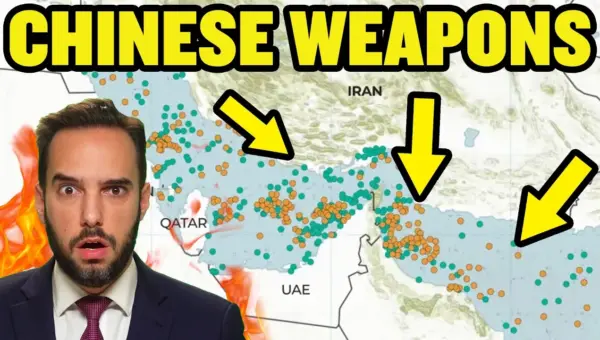
China Aids Iran Amid US Conflict Escalation
Recent intelligence suggests China is secretly supplying Iran with weapons like MANPADS and sharing critical intelligence, a significant escalation from its previous stance. This move, if confirmed, could deepen regional conflict and lead to severe US economic retaliation, while highlighting long-standing strategic ties between Beijing and Tehran.
China Backs Strait of Hormuz Blockade, Halts Iran Arms
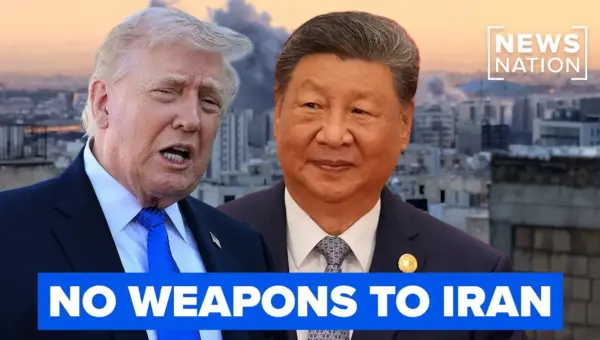
China has agreed not to supply weapons to Iran and is not opposing the U.S. naval blockade in the Strait of Hormuz. This significant development comes as President Trump prepares for a state visit to China and aims to pressure Iran by controlling vital shipping lanes. The move impacts global trade and reshapes regional power dynamics.

US Imposes Iran Port Blockade; Peace Talks Loom Amid Tensions
U.S. forces have fully implemented a blockade on Iranian ports, halting trade amid escalating Middle East tensions. Peace talks between the U.S. and Iran are reportedly on the horizon, though Iran's nuclear program remains a key obstacle. Meanwhile, historic direct talks between Israel and Lebanon took place in Washington, marking a significant diplomatic step.