US Tightens Grip: Strait of Hormuz Blockade Puts Iran on Notice
The U.S. has implemented a naval blockade of Iran's ports, drastically reducing sea traffic through the Strait of Hormuz. Over 10,000 U.S. troops are involved in this operation, aimed at pressuring Iran back to the negotiating table. Despite Iran's defiant response, mediators remain optimistic about future talks.

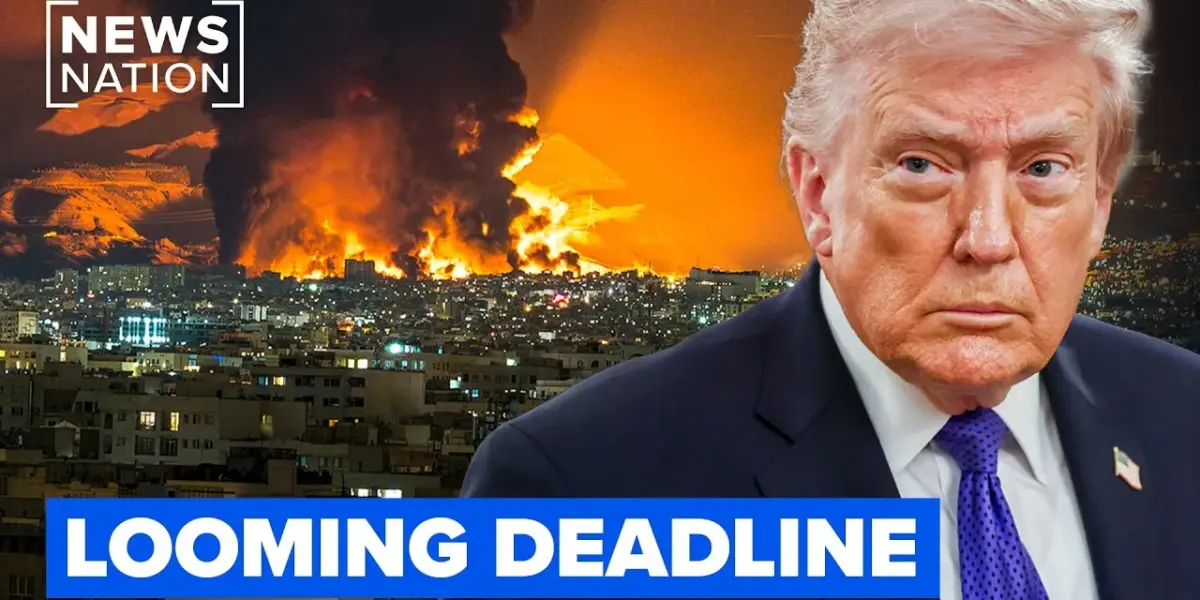
US Tightens Grip: Strait of Hormuz Blockade Puts Iran on Notice
The United States has fully implemented a naval blockade of Iran’s ports, a major move that significantly impacts Iran’s economy. This action, involving over 10,000 military personnel, aims to pressure Iran back to the negotiating table. The blockade, part of an operation called ‘Epic Fury,’ has dramatically reduced sea traffic through the vital Strait of Hormuz.
Strait of Hormuz Under Siege
The Strait of Hormuz is a critical waterway. About 90% of Iran’s economy relies on international trade through this channel. In less than 36 hours after the blockade began, U.S. forces believe they have cut off Iran’s ability to move goods in and out by sea. Data from April 13th showed only 6 ships passing through the strait, a sharp drop from the usual 122 to 140 ships daily. The U.S. Navy’s Central Command stated the blockade is fully in effect and U.S. forces will remain to ensure maritime control in the Middle East.
White House Eyes Diplomacy Amid Military Pressure
Despite the military action, the White House remains hopeful for renewed talks with Iran. President Trump has not ruled out a second round of discussions, potentially as soon as the next day. The U.S. hopes this intense pressure will bring Iran back to diplomatic discussions. The blockade is seen as a tactic to increase leverage in these potential talks.
Iran’s Defiant Stance
Iran’s leadership has responded with defiance. President Rouhani stated Iran is not seeking conflict and wishes to avoid war for the sake of improving the country. However, he also made it clear that Iran will stand firm if attacked. This shows a dual approach: a desire for peace but a readiness to defend itself.
Mediators Remain Optimistic
International mediators, including the United Nations, have expressed optimism about the possibility of peace talks resuming. These diplomatic efforts continue even as the military situation intensifies. The U.N. believes that a pathway to renewed negotiations still exists.
Costs of the Operation
The operation has not been without cost. Central Command reported that 199 U.S. service members have been injured during ‘Operation Epic Fury.’ This highlights the risks and sacrifices involved in enforcing the blockade and maintaining military readiness in the region.
Global Impact
This blockade significantly impacts global trade and energy markets. The Strait of Hormuz is crucial for oil shipments worldwide. Disruptions here can lead to higher energy prices and economic instability across the globe. The U.S. strategy aims to isolate Iran economically, affecting its ability to fund domestic programs and international activities. Other nations that rely on trade through the strait will also feel the effects.
Historical Context
The U.S. has a long history of asserting naval power in the Persian Gulf to protect its interests and ensure freedom of navigation. Previous incidents and tensions with Iran have often involved the Strait of Hormuz. This current blockade represents an escalation of these long-standing strategic maneuvers, aiming to exert maximum pressure through economic means rather than direct military confrontation.
Economic Leverage and Future Scenarios
The U.S. is using economic pressure as its primary tool. By halting Iran’s sea trade, it aims to cripple its economy, which is heavily dependent on exports. This strategy could force Iran to make concessions in future negotiations. However, Iran’s defiant stance suggests it might seek alternative trade routes or rely on its allies. There is also a risk that the situation could escalate if Iran retaliates against the blockade, potentially leading to wider conflict in the region. The success of this strategy depends on Iran’s economic resilience and its willingness to negotiate under duress.
Source: Ceasefire deadline looms amid push for US-Iran talks | Morning in America (YouTube)

Related Articles
China Aids Iran Amid US Conflict Escalation
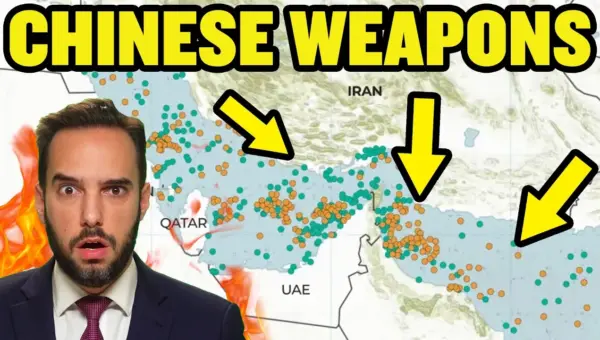
Recent intelligence suggests China is secretly supplying Iran with weapons like MANPADS and sharing critical intelligence, a significant escalation from its previous stance. This move, if confirmed, could deepen regional conflict and lead to severe US economic retaliation, while highlighting long-standing strategic ties between Beijing and Tehran.
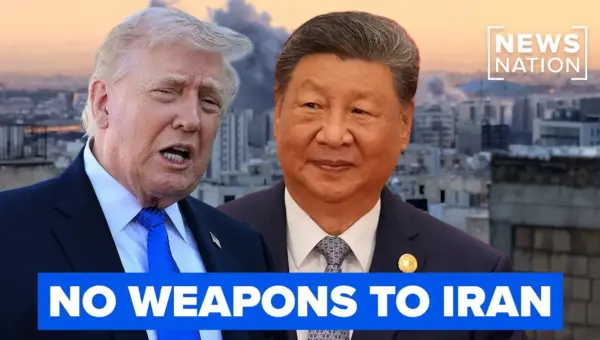
China Backs Strait of Hormuz Blockade, Halts Iran Arms
China has agreed not to supply weapons to Iran and is not opposing the U.S. naval blockade in the Strait of Hormuz. This significant development comes as President Trump prepares for a state visit to China and aims to pressure Iran by controlling vital shipping lanes. The move impacts global trade and reshapes regional power dynamics.

US Imposes Iran Port Blockade; Peace Talks Loom Amid Tensions
U.S. forces have fully implemented a blockade on Iranian ports, halting trade amid escalating Middle East tensions. Peace talks between the U.S. and Iran are reportedly on the horizon, though Iran's nuclear program remains a key obstacle. Meanwhile, historic direct talks between Israel and Lebanon took place in Washington, marking a significant diplomatic step.