Hezbollah Fighters Surrender Amid Escalating Israel-Lebanon Conflict
Three Hezbollah fighters surrendered to Israeli troops amid escalating conflict and diplomatic talks between Israel and Lebanon. The event occurs alongside Holocaust Remembrance Day observances in Israel, drawing historical parallels to current threats.

Hezbollah Fighters Surrender Amid Escalating Israel-Lebanon Conflict
In a significant development on the tense border between Israel and Lebanon, three fighters from the Iran-backed group Hezbollah surrendered to Israeli troops. This event occurred as Israeli forces continue their operations against Hezbollah within Lebanon. The Israel Defense Forces confirmed the surrender on Tuesday, stating the fighters were taken for questioning.
The surrender comes at a time of heightened conflict and solemn remembrance in Israel. On Tuesday, Israeli troops paused their battlefield activities for a moment of silence as sirens sounded across the country, marking Holocaust Remembrance Day. This observance, where vehicles stopped on highways and public life paused for two minutes, underscored the deep historical context of survival and resilience for the nation.
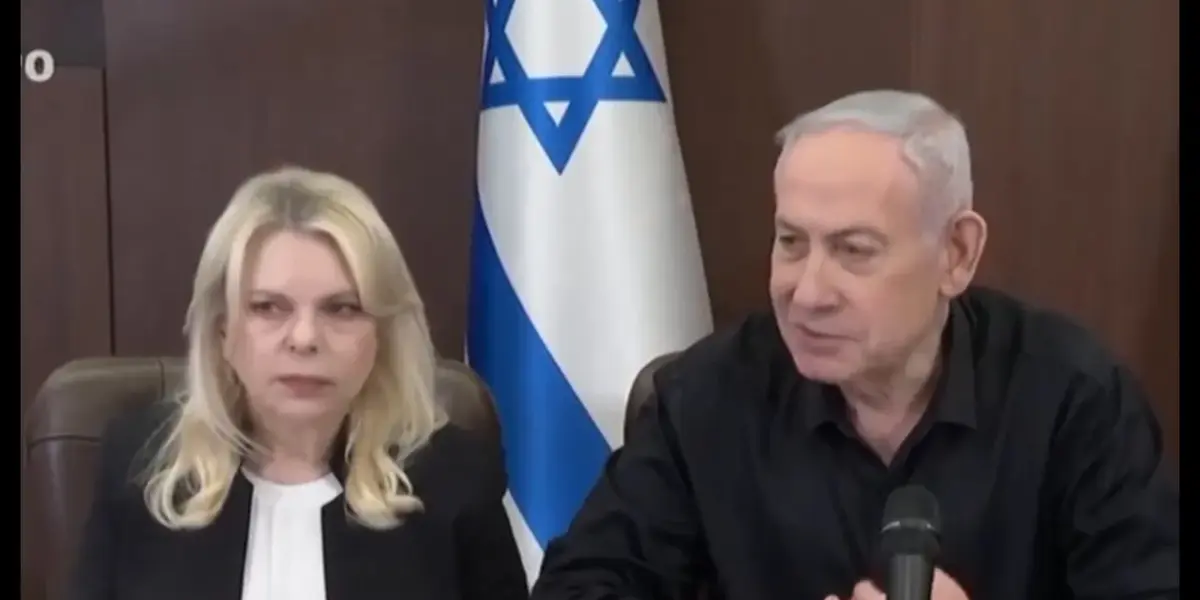
Prime Minister Benjamin Netanyahu met with Holocaust survivors on Sunday, drawing parallels between past atrocities and current threats. He stated, “Today we are hunting the enemy. We prevented them from carrying out their plan of annihilation with a force that has brought the state of Israel to the peak of its power since its founding.” A Holocaust survivor echoed this sentiment, relaying a message to the Prime Minister to “continue pushing forward with all his strength.”
Escalating Cross-Border Attacks
The fighting remains intense. On Tuesday, emergency crews in the southern Lebanese city of Tyre responded to the aftermath of a reported Israeli airstrike. These actions are part of ongoing Israeli air and ground operations targeting Hezbollah, which has been launching rockets and drones into Israeli civilian areas. Just the day before, on Monday, Israel’s ambulance service reported that Hezbollah terrorists fired a missile that struck northern Israel, injuring a 60-year-old woman.
Diplomatic Efforts Underway
Amidst the ongoing hostilities, diplomatic talks were held in Washington on Tuesday between Israel and Lebanon concerning the situation with Hezbollah. The purpose of these discussions was to address the escalating cross-border violence and find a path toward de-escalation.
A resident in Beirut shared their perspective on the necessity of dialogue, stating, “If two neighbors are fighting, they have to sit together whether they like it or not, directly or indirectly. But they have to sit together.”
Following the talks, Israel’s ambassador to the United States expressed cautious optimism. The ambassador noted that the Lebanese government made it clear they “will no longer be occupied by Hezbollah.” This statement suggests a potential shift in Lebanon’s stance regarding the group’s influence and activities. The meetings reportedly lasted about two hours, with a joint statement expected to be released later.
Why This Matters
The surrender of Hezbollah fighters is a noteworthy event in the context of the long-standing conflict. It could indicate internal pressures or a shift in strategy within Hezbollah, or it might simply be a tactical outcome of ongoing military operations. The fact that these fighters surrendered rather than being captured or killed in combat could have implications for intelligence gathering and understanding Hezbollah’s capabilities.
Furthermore, the diplomatic engagement between Israel and Lebanon, even if indirect, is crucial. It shows a recognition from both sides, and potentially from the Lebanese government, that the current level of conflict is unsustainable. The ambassador’s comment about Lebanon no longer being “occupied” by Hezbollah hints at a desire within the Lebanese government to regain control and distance itself from the group’s actions, which often draw Israeli retaliation.
Historical Context and Future Outlook
The conflict between Israel and Hezbollah has deep roots, stemming from the Israeli invasion of Lebanon in 1982. Hezbollah, initially formed to resist the Israeli occupation, has evolved into a powerful political and military force within Lebanon, often operating with a degree of autonomy that challenges the Lebanese state. The current escalation is part of a cycle of violence that has characterized their relationship for decades, with each side responding to the other’s actions.
The observance of Holocaust Remembrance Day during this period of conflict adds a layer of historical weight. It serves as a stark reminder of the devastating consequences of unchecked aggression and hate, framing the current security challenges within a broader narrative of survival and the fight against existential threats. Prime Minister Netanyahu’s remarks explicitly link the current fight to preventing annihilation, drawing a direct line from historical trauma to present-day security concerns.
The future outlook remains uncertain. While diplomatic talks offer a glimmer of hope, the entrenched nature of the conflict and the continued cross-border attacks suggest that a swift resolution is unlikely. The willingness of the Lebanese government to engage in talks and potentially distance itself from Hezbollah’s actions could be a turning point, but it depends heavily on internal Lebanese politics and the group’s own willingness to de-escalate. The ongoing military operations by Israel, coupled with Hezbollah’s continued rocket fire, indicate that the immediate future will likely see continued tension and sporadic clashes. The international community will be watching closely to see if diplomatic channels can effectively reduce the violence and prevent a wider regional conflict.
Source: Israel Says 3 Hezbollah Terrorists Surrendered to IDF Troops (YouTube)

Related Articles

US Imposes Iran Port Blockade; Peace Talks Loom Amid Tensions
U.S. forces have fully implemented a blockade on Iranian ports, halting trade amid escalating Middle East tensions. Peace talks between the U.S. and Iran are reportedly on the horizon, though Iran's nuclear program remains a key obstacle. Meanwhile, historic direct talks between Israel and Lebanon took place in Washington, marking a significant diplomatic step.
Trump Claims Iran War Nearing End Amid Conflicting Reports
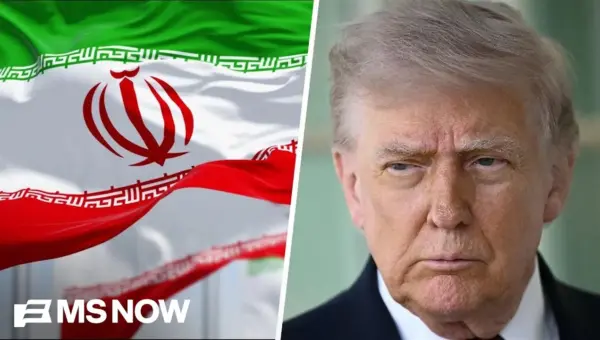
President Trump has declared the conflict with Iran is nearing its end, but conflicting reports highlight the complexities of the U.S. naval blockade. Experts question the administration's optimism, citing Iran's historical resilience and the significant resources required to maintain the blockade. Geopolitical shifts, including potential U.S. withdrawal from NATO and China's growing assertiveness, add further layers of uncertainty to the evolving situation.

Israel, Lebanon Launch Historic US-Mediated Dialogue
Israel and Lebanon have begun a historic US-mediated dialogue, marking the first direct negotiations between the nations since 1993. The talks aim to disarm Hezbollah and establish lasting peace, despite ongoing rocket fire into northern Israel. Israeli officials emphasized that Lebanon and Israel are now on the same side, opposing Hezbollah and Iranian influence.