Trump’s Ballroom Plan Exposes White House Security Flaws
A legal battle over a proposed White House ballroom has exposed significant security vulnerabilities. Court filings revealed concerns about an unfinished construction site, raising questions about transparency and national security.

Trump’s Ballroom Plan Exposes White House Security Flaws
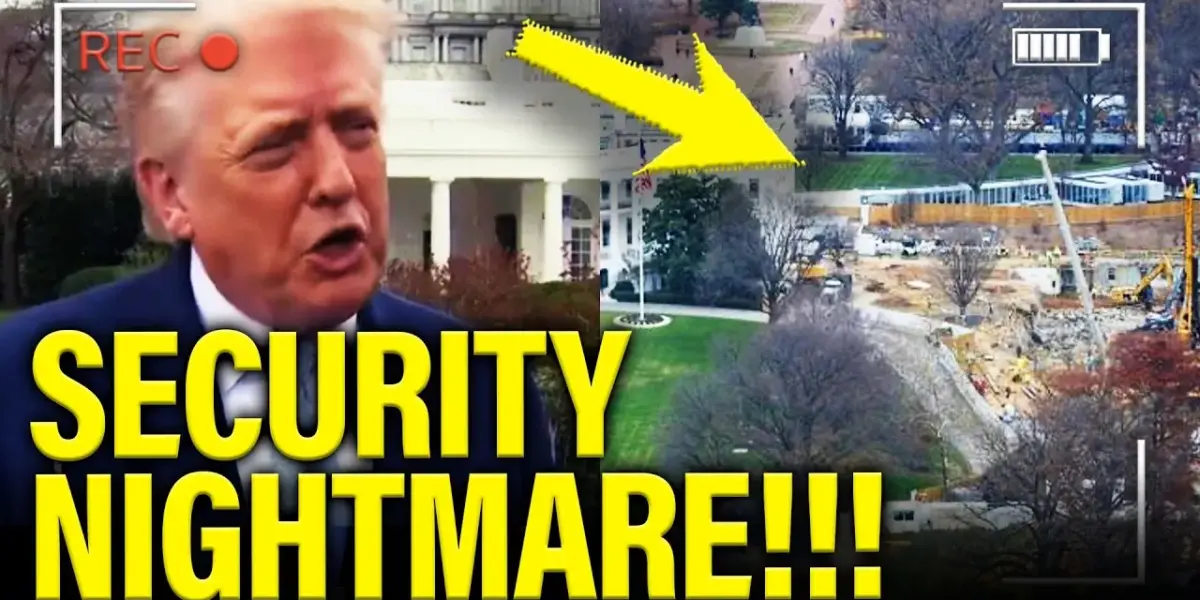
A legal battle over a proposed ballroom at the White House has unexpectedly revealed serious security concerns. Donald Trump’s administration sought to build a ballroom, claiming it was necessary to cover a hole left by construction. However, this plan has led to court challenges and has now highlighted potential weaknesses in the White House’s security. The case raises questions about transparency and the protection of sensitive government sites.
A Hole in Security, A Plan for a Ballroom
The issue began when Donald Trump’s team wanted to build a ballroom at the White House. They claimed this was needed to fix a problem caused by construction. Specifically, there was a large hole where the East Wing used to be. Trump’s lawyers argued that building the ballroom was essential for national security.
They told a judge that the bunker being built underneath the ballroom and the ballroom itself were connected. Without the ballroom, they said, the bunker wouldn’t work properly and the Secret Service couldn’t guarantee safety. This was presented as a critical national security need. The initial court order allowed for the securing of the site and underground work but seemed to stop above-ground construction of the ballroom.
Conflicting Claims and Public Revelations
The situation became complicated when Trump’s team seemed to change their story. Initially, they suggested that underground work was separate from what happened above ground. They implied that the judge’s order to stop the ballroom construction didn’t apply to the underground bunker.
However, when the case went to an appeals court, the argument shifted. Now, they claimed the ballroom and the bunker were inseparable. They insisted that the ballroom’s structure was vital for the Secret Service to protect the White House. This change in argument raised eyebrows among legal experts and the National Trust for Historic Preservation, which brought the case.
Security Concerns Made Public
A significant part of the controversy involves documents filed in court. A declaration from a Secret Service official, Matthew Quinn, was made public. This document detailed fears about the unfinished construction site. It explained how the debris and holes could make it harder for security personnel to defend the East Wing from an attack or breach.
The unfinished construction site also presents greater exposure to safety and security threats directed at the main White House and Westwing structures as well as the underground construction. Specifically, uniform division personnel will be hindered to effectively secure defend the east side of the White House building from an attack or security breach due to the current construction debris and large holes.
Critics found it strange that such sensitive information was not blacked out before being filed publicly. They questioned how serious these national security concerns truly were if they were revealed to the world, including potential adversaries. Additionally, a photo posted by Donald Trump himself showed him at the construction site, further highlighting the security issues for public view.
The Court’s Decision and Next Steps
The federal appeals court for the District of Columbia issued a decision. In a two-to-one vote, the court sided mostly with the original judge, Judge Leon. They sent the case back to Judge Leon for more fact-finding. The goal is to get a clearer understanding of what is truly needed to secure the site.
The court also gave Trump’s team a three-day extension. This allows them time to potentially appeal to the Supreme Court if they disagree with the order. The National Trust, on the other hand, wants the court to strictly prohibit any above-ground construction of the ballroom. They believe underground work should continue, but it should not dictate what happens above ground. They also want to allow for necessary steps to secure the existing site.
Why This Matters
This case is important because it involves the security of the U.S. President and the White House. It highlights how legal processes can uncover hidden issues. The public nature of the security details raises concerns about how sensitive information is handled. It also shows the checks and balances within the U.S. legal system, where even powerful figures can be held accountable through the courts.
Historical Context and Future Outlook
The White House has undergone many renovations and security upgrades throughout history. Each administration has made changes to adapt to new threats and needs. This situation, however, is unusual because it involves a dispute over construction that seems to have inadvertently exposed security vulnerabilities. The legal back-and-forth suggests a pattern of seeking forgiveness rather than permission for actions taken at the executive residence.
The future of the ballroom project remains uncertain. The decision will likely depend on the findings of Judge Leon and any further appeals. This case could set a precedent for how construction projects at sensitive government locations are managed and reviewed. It also emphasizes the ongoing need for vigilance in protecting national security assets.
Source: Trump Accidentally EXPOSES Security Crisis INSIDE WHITE HOUSE (YouTube)

Related Articles


Trump’s Allies Rebel: Conservatives Slam President’s Policies
Prominent conservative figures and lawmakers are openly criticizing President Trump's policies in 2026, signaling a growing divide within the movement. From Candace Owens questioning the Iran conflict to Senator Rand Paul challenging trade policy, a wave of dissent is challenging the president's agenda.


Trump Threatens Fed Chair Powell, Faces Nomination Blockade
President Trump is threatening to fire Fed Chair Jerome Powell over a renovation probe, creating a political stalemate. Senator Tom Tillis is blocking Trump's nominee, Kevin Warsh, until the investigation concludes. Warsh himself faces scrutiny over his vast personal wealth, estimated between $135-226 million, raising conflict of interest concerns.


Trump’s Grip Weakens as Allies Falter, Democracy’s Future Hinges
Donald Trump's approval ratings are plummeting, even among his core supporters, signaling a potential collapse of the MAGA movement. Global events, like Hungary's shift to democracy, and domestic economic woes are fueling discontent and opening doors for broader political coalitions.