Iran Faces Financial Warfare: Strait Harassment Falls Short
Iran faces intense economic and financial warfare, with its ability to disrupt the Strait of Hormuz limited to harassment. The U.S. strategy targets Iran's oil and finances, aiming to force negotiations and weaken its regional influence.

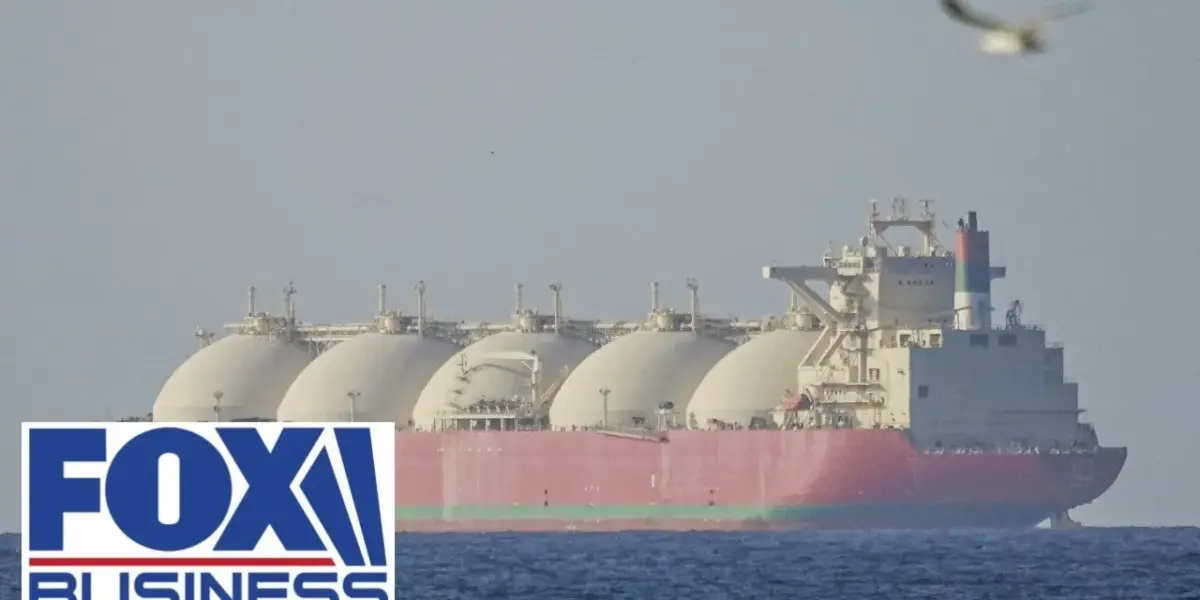
Iran Faces Economic Pressure as Financial Warfare Intensifies
The United States has escalated its strategy against Iran, moving beyond traditional military conflict to employ economic and financial warfare. This approach, focusing on cutting off oil sales and financial resources, is designed to force Iran back to the negotiating table for serious discussions on its nuclear program, regional terrorism, and the crucial Strait of Hormuz shipping lane. This shift in strategy aims to cripple Iran’s economy and limit its ability to fund destabilizing activities.
Strait of Hormuz: A Limited Threat, Not a Control Point
Despite Iran’s rhetoric, its ability to control or significantly disrupt the Strait of Hormuz is minimal. Experts suggest that Iran’s actions in the strait amount to mere harassment, not true control. The U.S. Navy’s Fifth Fleet, heavily reinforced and positioned nearby, dominates the vital 16-mile-wide waterway. Iran’s claims of blockades and tolls are seen as a bluff called by President Trump’s administration, which understands Iran lacks the power to enforce such measures.
“All they have, Larry, is the ability to harass the Strait. Just disrupt it. You’re not going to touch the U.S. Navy who dominates the Fifth Fleet just reloaded and they are on their way back to that little 16-mile narrow corridor.”
Economic Strangulation and Proxy Network Pressure
The economic pressure on Iran is severe, described as being hit “to the tenth degree.” Reports indicate that around 150 ships are currently impacted, and Iran’s strategic infrastructure has sustained significant damage. Simultaneously, Israel is reportedly targeting Hezbollah, Iran’s proxy network, putting further pressure on its regional influence. This multi-pronged approach is designed to weaken Iran’s overall position and force concessions.
Iran’s economy is described as being “strangled,” leaving it with no position of strength. The goal of returning to negotiations is not driven by a desire for peace, but by the need to stabilize its collapsing economic situation and fight for any remaining resources. This economic squeeze is considered a critical component of the broader strategy.
A New Kind of Conflict: Counter-Terrorism Operation
Some analysts view the current situation not as a conventional war, but as an elite counter-terrorism operation. The objective is to rescue the Iranian people, numbering around 80 million, from what is described as a hostage situation held by the ruling mullahs. This perspective frames the U.S. and Israeli actions as liberation efforts rather than acts of aggression.
Iran’s traditional playbook of delaying tactics is no longer effective. The current strategy aims to compress Iran’s timeline, forcing it to confront its challenges directly. If Iran pushes back against these measures, the response is expected to be further escalation, without deploying U.S. troops on the ground. The focus remains on economic and operational pressure.
Market Reaction and Investor Outlook
Financial markets are beginning to react to these developments, sensing the shift in geopolitical and economic pressures. The administration’s strategy of economic and financial warfare, coupled with a strong naval presence, is seen as a potentially decisive move. While Iran may attempt to disrupt shipping lanes, its capacity to do so is limited, and the U.S. maintains control over critical waterways and Iran’s access to global finance.
What Investors Should Know
The intensified economic pressure on Iran could have ripple effects across global markets, particularly in the energy sector. Companies reliant on Iranian oil or those operating in the Persian Gulf region may face increased volatility. Investors should monitor developments related to sanctions, oil prices, and regional stability. The success of financial warfare could lead to a more stable geopolitical environment in the long term, but short-term market adjustments are possible.
The strategy highlights the growing importance of economic tools in international relations. By targeting Iran’s financial lifelines, the U.S. aims to achieve diplomatic objectives without resorting to large-scale military engagement. This approach suggests a broader trend towards leveraging economic sanctions and financial restrictions as primary instruments of foreign policy.
Source: All they have is the ability to 'HARASS' the Strait: Israeli special ops veteran (YouTube)

Related Articles


Oil Prices Surge to $91 Amid Geopolitical Tensions
Oil prices have surged to $91 a barrel, driven by disruptions in the Strait of Hormuz. This is leading to higher gas prices across the U.S., with California facing particularly steep costs. The situation is fueling debate on energy policy, exports, and the transition to renewable fuels.

China’s Iran Gambit: Deception or a New World Order?
President Trump claims China will stop sending weapons to Iran, but deep skepticism remains due to China's past support and use of spy satellites to aid Iran. This move could be a strategic ploy to weaken the US military.
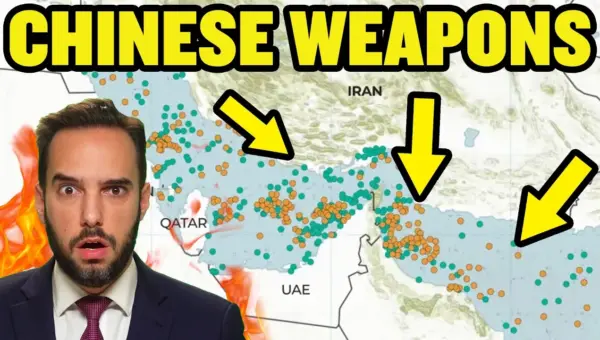
China Aids Iran Amid US Conflict Escalation
Recent intelligence suggests China is secretly supplying Iran with weapons like MANPADS and sharing critical intelligence, a significant escalation from its previous stance. This move, if confirmed, could deepen regional conflict and lead to severe US economic retaliation, while highlighting long-standing strategic ties between Beijing and Tehran.