Trump’s Global Influence Wanes Amidst Election Losses and Scrutiny
Donald Trump's global influence faces new challenges as international allies express sharp criticism and election interference efforts falter. From setbacks in Hungary to resistance in Canada and strong condemnation in the UK Parliament, Trump's standing appears to be waning. Domestically, shifting Senate race polls and concerns over Trump's potential mass pardons add to the political uncertainty.

Trump’s Global Standing Declines Amidst International Setbacks
Former President Donald Trump’s influence on the global stage appears to be diminishing, marked by recent election interference failures and sharp criticism from international leaders. The narrative surrounding Trump’s power is shifting, with allies expressing concern and opponents gaining strength.
Hungarian Election Underscores Trump’s Failed Interference
In Hungary, Donald Trump’s attempt to influence the election of Prime Minister Viktor Orban resulted in a decisive defeat for Orban. This outcome is seen as a significant blow to Trump’s foreign policy endeavors. Senator Mark Warner noted the clear message from the Hungarian people, stating, “The big win for democracy in Hungary and the crushing defeat of Donald Trump’s corrupt political interference in Hungary was not the only election loss for Donald Trump to report.” The election’s outcome suggests that Trump’s endorsements may no longer guarantee success for his preferred candidates.
Canadian Elections Show Resistance to Trumpism
Canada has also demonstrated a strong opposition to Trump’s political ideology, often referred to as “Trumpism.” Following Trump’s critical remarks and overtures towards annexing Canada, the Liberal Party, led by Prime Minister Mark Carney, saw a resurgence. Special elections resulted in Liberal Party victories, solidifying their control of the government. Prime Minister Carney’s leadership has been characterized by a firm stance against Trump’s trade policies. Lawrence O’Donnell highlighted this shift, explaining, “When Prime Minister Carney visited Donald Trump in the Oval Office, Donald Trump discovered that here was a foreign leader who had no intention of trying to flatter Donald Trump into some kind of working relationship.” The Canadian experience is presented as an example of successful international resistance to Trump’s influence.
UK Parliament Condemns Trump’s Actions
The United Kingdom’s Parliament has also become a platform for strong criticism against Donald Trump. Members of Parliament have used stark language to describe his presidency, drawing parallels to historical figures. Edward Davey, leader of the Liberal Democrats, stated, “He is a dangerous and corrupt gangster.” This condemnation reflects a growing sentiment among some international leaders that Trump’s actions are detrimental to global stability and international law. The comparison to historical dictators underscores the gravity of the concerns raised.
Senator Warner Criticizes Trump’s Foreign Policy Impact
Senator Mark Warner voiced serious concerns about the damage Trump’s presidency has inflicted on America’s relationships with its allies. He emphasized that America’s strength lies not only in its economic and military power but also in its alliances. “America’s strength is not just our economic power. It’s not our military power. It’s the fact that we had friends and allies and we were destroying those allies in a way that’s unprecedented,” Warner stated. He further elaborated on the escalating tensions with Iran, criticizing Trump’s handling of the situation and its potential to trigger a severe energy crisis. Warner pointed out the irony of Trump promising peace while engaging in policies that lead to conflict and economic instability.
Domestic Political Landscape and Senate Races
The discussion also touched upon the domestic political landscape, with shifting polls suggesting potential gains for Democrats in upcoming Senate races. North Carolina’s former governor, Roy Cooper, is highlighted as a key candidate in a race that could impact the balance of power in the Senate. Pat McCrory, a former Republican governor, acknowledged the “total chaos” within the Republican party, largely attributed to Donald Trump’s influence. Cooper echoed these sentiments, noting the economic anxieties of North Carolinians, particularly concerning rising gas and grocery prices. He is campaigning on a platform of making everyday costs more affordable, aiming to capitalize on voter dissatisfaction.
Concerns Over Trump’s Pardoning Promises
Senator Sheldon Whitehouse raised alarms about reports of Donald Trump promising mass pardons to his staff. Whitehouse suggested this indicates a “consciousness of guilt” and reflects extreme corruption within the administration. He believes Trump’s actions are driven by a desire to protect himself and his associates from potential legal repercussions. “Trump really seems to be psychologically, mentally decompensating a bit and his decisions get more dangerous. They get more rash,” Whitehouse commented, adding that these pressures likely cause staff to seek legal counsel. This situation is compared to a “gangster mentality,” where loyalty is maintained through the promise of immunity.
The “Into the Wood Chipper” Book and USAID
A new book, “Into the Wood Chipper,” was highlighted, detailing alleged actions by individuals sent by Elon Musk to undermine the work of the U.S. Agency for International Development (USAID). The book reportedly describes these individuals as “buffoons” whose actions led to the deaths of hundreds of thousands of people. This exposé points to a critical review of specific interventions and their devastating consequences.
Looking Ahead
As political tensions rise and the next election cycle approaches, the international community and domestic observers will be closely watching how these events shape political strategies and public opinion. The ongoing scrutiny of Donald Trump’s actions, coupled with international resistance and shifting domestic polls, suggests a challenging period ahead for his political future and the broader Republican party.
Source: The Last Word with Lawrence O'Donnell – April 14 | Audio Only (YouTube)

Related Articles
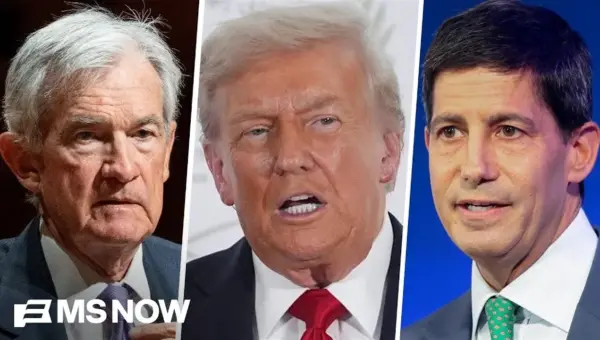
Trump Threatens Fed Chair Powell, Faces Nomination Blockade
President Trump is threatening to fire Fed Chair Jerome Powell over a renovation probe, creating a political stalemate. Senator Tom Tillis is blocking Trump's nominee, Kevin Warsh, until the investigation concludes. Warsh himself faces scrutiny over his vast personal wealth, estimated between $135-226 million, raising conflict of interest concerns.


Trump’s Grip Weakens as Allies Falter, Democracy’s Future Hinges
Donald Trump's approval ratings are plummeting, even among his core supporters, signaling a potential collapse of the MAGA movement. Global events, like Hungary's shift to democracy, and domestic economic woes are fueling discontent and opening doors for broader political coalitions.

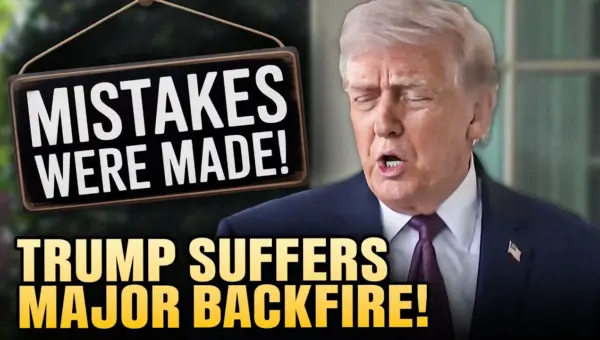
Trump’s Jesus Image Backfires, Staged Delivery Fails
Donald Trump's attempt to control the narrative after posting a Jesus-like image backfired spectacularly. A staged DoorDash delivery event meant to highlight economic policy instead drew scrutiny due to its implausibility and the exaggerated savings claimed.