US Healthcare Crisis Deepens: Corporate Control Fuels Costs
America's healthcare system is drowning in complexity and cost, largely driven by corporate interests within insurance companies. Doctors face burnout from administrative burdens, while patients endure rising premiums. This analysis explores how this system evolved and the urgent need for change.

US Healthcare Crisis Deepens: Corporate Control Fuels Costs
The United States faces a growing healthcare crisis, marked by soaring costs and overwhelming complexity. This system, which costs roughly twice as much as in other wealthy nations, is draining resources and impacting the lives of millions. At the heart of the problem lies the pervasive influence of corporate interests and the intricate web of insurance companies that seem to prioritize profit over patient well-being.
Doctors Face Burnout Amid Insurance Hurdles
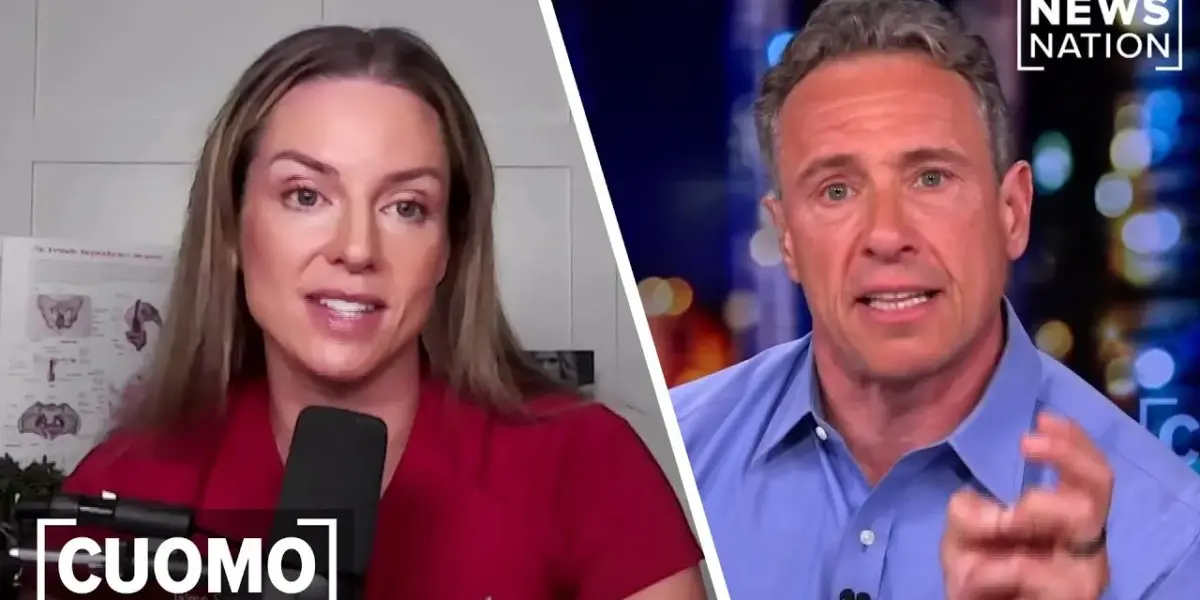
Dr. Jaime Seeman, an OBGYN with years of frontline experience, highlights the immense burden placed on physicians. She describes the daily struggle with insurance companies, which demand extensive prior authorizations and complex payment processes. This bureaucratic maze forces doctors to spend more time on paperwork than on patient care.
“The insurance companies are just creating so much burnout for me as a physician and for my colleagues,” Dr. Seeman stated. “The level of prior authorizations, we have to do the pier to pier. We have to do coming back into 9 payment.”
As a private practice physician, getting paid for her work is crucial. However, the current system pushes doctors towards large corporate hospitals and insurance companies that offer better reimbursement. This shift forces physicians into roles akin to data entry clerks, a far cry from the healing they trained for. The reliance on pens and keyboards replaces the hands-on care patients need, leading to exhaustion.
Adding to the frustration, doctors often don’t know the true cost of treatments. “When I see a patient, I don’t know what the labs are going to cost or what MRIs are going to cost,” Dr. Seeman explained. “I just treat the patient.” Meanwhile, patients experience rising premiums, even as insurance companies report record profits.
Intentional Design or Systemic Flaw?
The question arises whether this complexity is an accident or by design. Dr. Seeman believes there’s an intentionality from the corporate side to make the system difficult. She points to a system that favors treatment over prevention, a stark contrast to what she believes should be the focus.
“I have always believed that its prevention over treatment and our system is treatment over prevention,” she said. Insurance companies have achieved significant power by vertically integrating their operations. They now own hospitals, clinics, and pharmacies, controlling nearly every step of the healthcare process. This control allows them to dictate terms and maximize profits, often at the expense of physician autonomy and patient access.
A History of Insurance Struggles
Katherine Hempstead, author of “Covered: The Story of Insurance in America,” provides historical context to the current situation. She notes that the relationship between individuals and their insurance companies has always been fraught with tension. People often distrust insurance companies, suspecting they prioritize their own interests over those of their patients.
“The relationship with people in their insurance companies is inherently a very fraught relationship,” Hempstead observed. “People even at the best of times are inclined to distrust our insurance company and think that they’re making decisions sort of based on their own interests rather than patient interests.”
This distrust is amplified in healthcare because the stakes are so high. It’s not just about money; it’s about people’s lives. Patients need timely access to screenings, treatments, and medications to stay healthy. The presence of intermediaries like insurance companies complicates this essential need, creating barriers to care.
The Path Forward: Reclaiming Control
The current healthcare system is unsustainable. The immense costs, physician burnout, and patient struggles point to a need for fundamental change. While the transcript doesn’t offer specific policy solutions, it strongly implies that reining in corporate control and simplifying the insurance process are critical steps.
The focus must shift from a profit-driven, treatment-heavy model to one that emphasizes prevention and patient well-being. Addressing the power imbalance between insurance corporations and healthcare providers is essential. Ultimately, fixing America’s healthcare system requires a collective passion and a commitment to putting people’s health before corporate profits.
Global Impact: A Cautionary Tale
The American healthcare system serves as a cautionary tale for other nations. While the US spends the most on healthcare, it does not achieve the best health outcomes. The excessive focus on corporate profits and administrative complexity has created a system that is both inefficient and inequitable. Other countries can learn from these struggles, striving to implement universal healthcare models that prioritize public health and affordability over private gain.
Source: Can health care in America be fixed? Dr. Jaime Seeman, Katherine Hempstead weigh in | CUOMO (YouTube)

Related Articles


Trump Exploits Cancer Patient for Political Gain
A DoorDash driver, whose husband has cancer, was used in a White House stunt to promote a 'no tax on tips' policy. Investigations reveal she's been repeatedly featured in Republican events, and the policy offers her minimal financial benefit, raising ethical concerns about political exploitation.


Trump Runs White House Like Casino, Ossoff Claims
Senator Jon Ossoff criticizes President Trump's White House operations, likening them to a casino. He argues that the administration's policies are hurting Americans through rising costs and cuts to essential services, while prioritizing military spending over social programs.


US Strikes Pharma Deal With UK, Eyes Lower Drug Costs
The United States and the United Kingdom have finalized a deal to lower prescription drug prices. The agreement aims to make other countries contribute more to the costly research and development of new medicines, potentially reducing costs for American patients and insurers. This development comes as tensions rise over the Strait of Hormuz, impacting global energy markets.