Iran Oil Blockade: A ‘Necessary Move’ to Squeeze Economy
The U.S. has implemented a strategy to block oil and funds from reaching Iran via the Strait of Hormuz, aiming to cripple its economy and force nuclear program talks. This move, described as a "necessary and brilliant ploy," targets Iran's financial lifeline. The discussion also touched on domestic economic policies and potential future legislation.

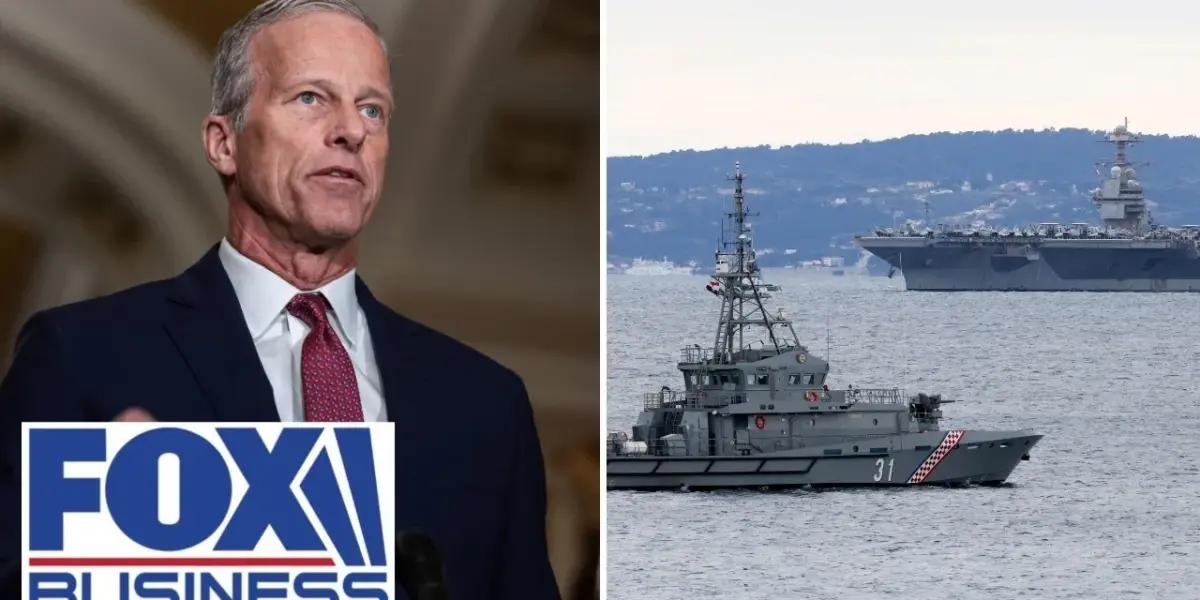
Strait of Hormuz Action Aims to Cripple Iran’s Finances
A strategic move to block oil and money flowing to Iran through the Strait of Hormuz is being called a “brilliant ploy” and a “necessary move.” This action aims to put immense pressure on Iran’s economy, potentially forcing its leadership to the negotiating table regarding its nuclear program.
Cutting Off the Financial Lifeline
The U.S. has taken steps to make it difficult for Iran to export oil and access funds. This is seen as a critical move because oil revenue is Iran’s primary source of income. “No oil means no money and no money means nothing,” explained one analyst. Without this income, Iran struggles to fund its operations, including its military and development of weapons like drones and ballistic missiles. This economic pressure is considered the last resort for Iran, especially after facing military setbacks.
Global Economic Ripples
The impact of blocking oil exports extends beyond Iran. Countries like China rely heavily on Iranian oil. Disrupting this supply chain could have wider economic consequences, though the primary goal is to weaken Iran’s ability to finance its activities.
Push for Nuclear Deal Talks
The hope behind these economic sanctions is to compel Iran to end its nuclear program. By squeezing its economy, leaders believe Iran will have no choice but to negotiate seriously. “This has so many implications for Iran, all of which I think again should drive them to the table,” an analyst noted.
Domestic Political Discussions
Beyond foreign policy, the conversation touched on domestic economic and political issues. With Tax Day approaching, there was discussion about potential tax cuts and government spending. The need to fund agencies like Customs and Border Protection (CBP) and Immigration and Customs Enforcement (ICE) was highlighted. Republicans expressed a desire to pass legislation that supports these agencies, especially in light of what they describe as Democratic opposition to funding law enforcement.
Reconciliation Bills and Future Legislation
Talks also involved the possibility of “reconciliation bills,” which are special legislative measures that can pass the Senate with a simple majority. This process could be used to pass larger, more comprehensive bills in the future, potentially including tax reforms and measures like voter ID laws. The aim is to create legislation that stimulates economic growth, leads to better-paying jobs, and puts more money into the pockets of American citizens.
Marketing Economic Success
There’s a recognition that the positive economic stories, such as increased tax returns for many filers, need to be communicated more effectively. For instance, the average tax return this year is reportedly 24% higher than during the previous administration. For some individuals, like tip or overtime earners, returns are up by as much as 50%. This highlights a significant benefit for taxpayers that needs to be better promoted.
Voter ID and Border Security
The discussion also touched on voter ID laws, with a call for their implementation. Republicans believe these laws are popular and important for election integrity. They expressed frustration that they have struggled to gain Democratic support for such measures, even when Democrats have previously advocated for them. The possibility of including voter ID requirements in future reconciliation bills was discussed as a potential path forward.
Market Impact
The action in the Strait of Hormuz is designed to severely impact Iran’s economy by cutting off its primary revenue source. This could lead to significant internal pressure within Iran, potentially influencing global oil markets, though the immediate effect is focused on starving Iran of funds. Domestically, discussions around tax policy and funding for law enforcement agencies suggest ongoing legislative priorities that could shape economic conditions and government operations.
What Investors Should Know
Investors should monitor the effectiveness of the oil blockade in pressuring Iran and any potential shifts in global energy prices. Additionally, ongoing legislative debates in the U.S. regarding tax policy and government spending could influence economic growth and specific sectors. The push for increased funding for border security and potential inclusion of voter ID laws in future legislation are also points to watch.
Source: Strait of Hormuz blockade is a ‘NECESSARY MOVE’: Senate Majority Leader (YouTube)

Related Articles
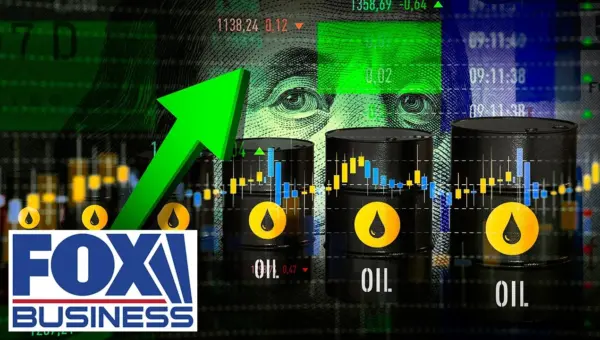
Oil Prices Surge to $91 Amid Geopolitical Tensions
Oil prices have surged to $91 a barrel, driven by disruptions in the Strait of Hormuz. This is leading to higher gas prices across the U.S., with California facing particularly steep costs. The situation is fueling debate on energy policy, exports, and the transition to renewable fuels.


China’s Iran Gambit: Deception or a New World Order?
President Trump claims China will stop sending weapons to Iran, but deep skepticism remains due to China's past support and use of spy satellites to aid Iran. This move could be a strategic ploy to weaken the US military.

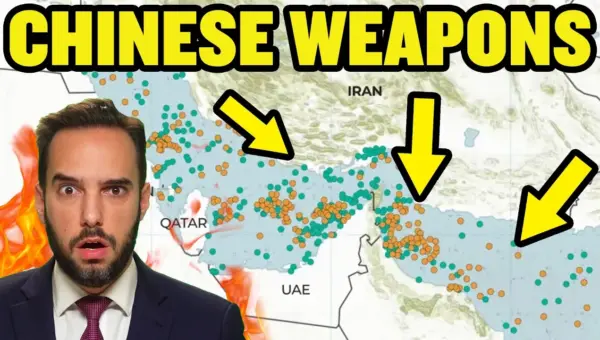
China Aids Iran Amid US Conflict Escalation
Recent intelligence suggests China is secretly supplying Iran with weapons like MANPADS and sharing critical intelligence, a significant escalation from its previous stance. This move, if confirmed, could deepen regional conflict and lead to severe US economic retaliation, while highlighting long-standing strategic ties between Beijing and Tehran.