Vance Stumbles as Student Challenges Gaza Claims
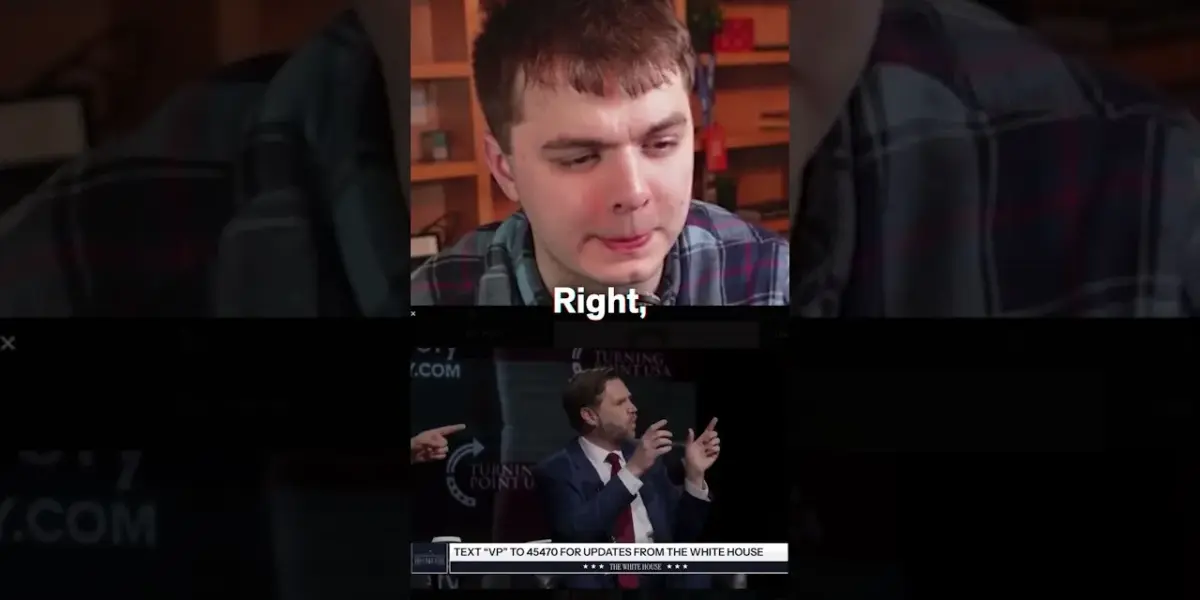
Senator JD Vance faced sharp criticism from a college student over his claims about the Trump administration's handling of the Gaza situation. The student challenged Vance's assertions on humanitarian aid and Israel's actions, questioning Vance's ability to lead.

Vance Stumbles as Student Challenges Gaza Claims
During a recent event, Senator JD Vance found himself in a heated exchange with a college student regarding the situation in Gaza. The student directly challenged Vance’s assertions about the Trump administration’s handling of the issue, leading to a moment that has drawn significant attention.
The Core of the Dispute
The confrontation began when Vance suggested that the Trump administration had “solved” the problem in Gaza and that the current administration should be the target of any complaints. He also claimed that more humanitarian aid was entering Gaza now than in the past five years.
The student quickly pushed back, stating, “No, they didn’t.” The student argued that West Bank settlements have worsened and that Israel appears more emboldened than ever, even initiating regional conflicts. The claim about increased humanitarian aid was also disputed, with the student calling it “just not true.”
Counterclaims and Accusations
The student then brought up controversial actions attributed to Donald Trump, including AI-generated videos depicting dancing on the Gaza Strip, with Trump and Benjamin Netanyahu shirtless, calling it the “Trump Strip.” This was presented as evidence that Trump had actually emboldened Netanyahu and, in fact, blocked aid from reaching Gaza.
The student’s argument suggested a stark contrast between Vance’s claims and the student’s perception of reality. The student felt that Vance’s inability to handle the questioning demonstrated a lack of political skill. “If he can barely even take on a college student without getting completely rattled,” the student stated, “I do not trust him to be our president.”
Why This Matters
This exchange highlights a growing tension between political figures and younger generations on complex foreign policy issues. Students are increasingly vocal and informed, using social media and public forums to challenge established narratives. The ability of politicians to engage respectfully and substantively with these challenges is becoming a key measure of their effectiveness and trustworthiness.
The specific focus on the Israeli-Palestinian conflict underscores its persistent importance in political discourse. Differing interpretations of past actions and current events reveal deep divisions in how this issue is understood and addressed. For Vance, being perceived as “rattled” by a student’s questions could impact his image as a strong and capable leader, especially in the eyes of younger voters.
Historical Context
The Israeli-Palestinian conflict has a long and complex history, with numerous peace efforts and significant setbacks over decades. U.S. administrations, from both parties, have been deeply involved in trying to mediate a resolution. The student’s reference to West Bank settlements and Israel’s regional actions points to ongoing concerns about the expansion of Israeli control and its impact on regional stability.
The Trump administration’s approach was notably different from previous administrations, often characterized by strong support for Israel and a departure from traditional diplomatic language. The student’s accusation that Trump emboldened Netanyahu and blocked aid reflects a critical view of these policies and their consequences.
Implications and Future Outlook
The incident serves as a reminder that political figures must be prepared for direct challenges from the public, particularly on sensitive topics like foreign policy. The ease with which such exchanges can be recorded and shared online means that these moments can quickly become widely scrutinized. For Vance, this specific interaction might necessitate a more robust defense of his positions or a refined approach to public engagement.
Looking ahead, we can expect more such confrontations as younger voters become more politically active. Politicians who can connect with and address the concerns of this demographic, even when challenged, may find themselves better positioned. The ability to articulate clear, evidence-based arguments on complex issues like the Gaza situation will be crucial for building trust and credibility on the national and international stage. The student’s direct questioning suggests a demand for greater transparency and accountability from political leaders regarding their foreign policy decisions and their real-world impacts.
Source: JD Vance Gets Rattled by a Student #politics #fyp #new (YouTube)

Related Articles


GOP Faces Voter Discontent Over War, Diminished Support
Republican lawmakers are noticing growing voter discontent, particularly among younger demographics, regarding the ongoing war. This sentiment, coupled with economic pressures, could lead to diminished support and turnout in the upcoming midterm elections. The party faces significant challenges in messaging and addressing voter concerns.


US Imposes Iran Port Blockade; Peace Talks Loom Amid Tensions
U.S. forces have fully implemented a blockade on Iranian ports, halting trade amid escalating Middle East tensions. Peace talks between the U.S. and Iran are reportedly on the horizon, though Iran's nuclear program remains a key obstacle. Meanwhile, historic direct talks between Israel and Lebanon took place in Washington, marking a significant diplomatic step.

Supreme Court’s Legitimacy Tested: A Look Inside
The Supreme Court is increasingly seen as the "last branch standing" to resolve national disputes, a role that strains its legitimacy. Author Sarah Isker's new book, 'Last Branch Standing,' examines the court's internal dynamics and its complex relationship with public opinion and other branches of government.