Iran Faces Economic Crisis Amid Sanctions Over Nuclear Ambitions
Iran faces a severe economic crisis as international sanctions target its nuclear program and regional proxies. The regime's financial decisions have led to internal unrest and a critical point regarding its nuclear ambitions.

Iran’s Nuclear Program Faces Severe Financial Strain
The Iranian regime is facing immense economic pressure, with sanctions threatening its ability to fund its nuclear program and support regional proxy groups. This situation has led to widespread internal unrest and a potential crisis for the government.
According to Congressman Rich McCormick, a veteran U.S. Marine Commander, the current economic hardship in Iran is severe. He described the situation not just as a depression, but a crisis, noting that people are protesting and losing their lives in the tens of thousands. The new financial pressures mean the Iranian people have no income and are losing essential infrastructure, severely limiting their ability to export or import goods.
Past Funding and Current Consequences
For years, international leaders have stated that Iran cannot possess nuclear weapons. However, the path to achieving this goal appears to be accelerating due to financial decisions made by previous U.S. administrations. For example, the Obama administration provided Iran with $1.6 billion, with the stated intention that the funds would not be used for nuclear weapons development. Despite this, Iran proceeded to develop nuclear arms.
More recently, the Biden administration reportedly reduced sanctions, freeing up an estimated $6 billion. This money, along with the previous funds, has allegedly been used not only to advance Iran’s nuclear ambitions but also to finance groups like Hezbollah, Hamas, and the Houthis. This cycle of funding and development, despite international objections, has led to the current critical point.
Enriched Uranium and International Concern
The current financial pressure comes at a time when Iran has reportedly amassed enough enriched uranium for up to 11 nuclear weapons. This development presents a significant challenge for international security. Dealing with this level of enriched uranium is a top priority for global powers.
Economic Impact on Iran
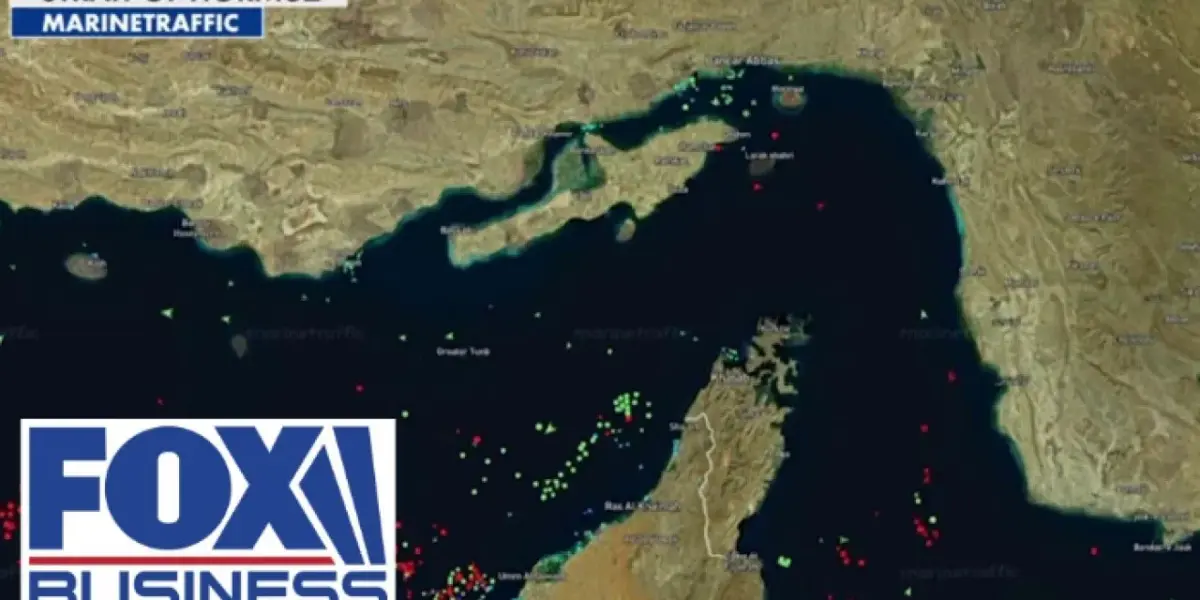
The Strait of Hormuz, a vital waterway in the Persian Gulf, is crucial for Iran’s economy. Approximately 90% of Iran’s oil exports transit through this strait. Oil and gas exports typically account for about half to 60% of Iran’s total export earnings and represent a quarter of its Gross Domestic Product (GDP).
Recent actions, including potential blockades or increased naval presence, could cost Iran between $140 million and $150 million per day in lost exports. This amounts to roughly $4.5 billion annually. These figures do not even include the roughly $135 billion in goods Iran imports each year, highlighting the extreme vulnerability of its economy to trade disruptions.
Regional Adjustments and Future Outlook
Meanwhile, other countries in the Middle East are taking steps to mitigate the impact of potential disruptions. Saudi Arabia is reportedly bringing its East-West oil pipeline back to full capacity. This pipeline alone could deliver 7 million barrels of oil per day, offering an alternative route and reducing reliance on the Strait of Hormuz. Currently, only about a third of the region’s oil flow is handled by pipelines other than those passing through the strait.
The Regime’s Dilemma
The Iranian regime faces a difficult choice. If they give in to international pressure and abandon their nuclear ambitions, they risk losing face both internationally and domestically. However, continuing on their current path leads to severe economic hardship and potential collapse. The regime’s own population is increasingly dissatisfied, creating a volatile internal situation.
Congressman McCormick suggests that when demand is present, solutions will be found. This could involve coordinated efforts by regional countries to clear mines from shipping lanes and enhance defenses against drone attacks, thereby reopening crucial trade routes. The core problem remains the Iranian regime’s stance: they have seemingly declared their current nuclear pursuit as a final objective. The question is whether they can survive the economic consequences of this ambition, especially with their own people in distress.
Market Impact
The ongoing economic sanctions and the potential for further disruptions in the Strait of Hormuz create significant uncertainty for global energy markets. Fluctuations in oil prices and trade flows are likely as the situation evolves. Investors will be closely watching how Iran’s internal stability and its ability to export oil are affected.
What Investors Should Know
The financial pressure on Iran highlights the complex interplay between geopolitical events and economic stability. For investors, understanding these dynamics is crucial, particularly for those involved in energy, defense, and companies with exposure to the Middle East. The long-term implications depend on whether Iran can be compelled to abandon its nuclear program without triggering a wider regional conflict or a complete economic collapse within the country.
Source: Horrible decision-making has led to this end point, GOP rep. says (YouTube)

Related Articles


Trump’s Iran Blockade: A Risky Gamble With Uncertain Returns?
The U.S. has deployed significant naval power to the Persian Gulf, aiming to enforce a blockade against Iran. Military analysts warn this high-risk operation is difficult and potentially unsustainable without allied support. The strategy's effectiveness and costs are being closely scrutinized.
US Blockades Iranian Ports Amid Tensions, Risks Global Fallout
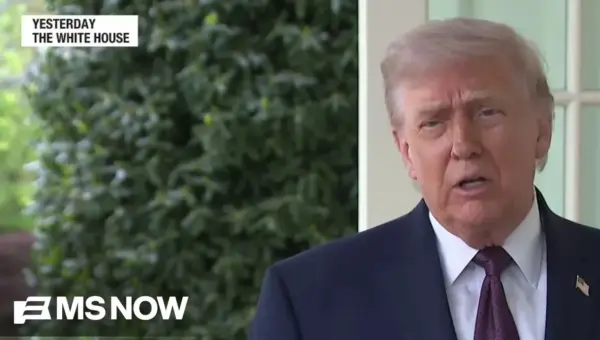
The U.S. military has begun blockading Iranian ports in an effort to pressure Tehran into a deal, risking higher global energy prices and wider conflict. Despite President Trump's warnings and Iran's retaliatory threats, diplomatic talks are reportedly being considered, with potential in-person negotiations on the horizon.

Hungary Rejects Orban, Embraces Pro-EU Path
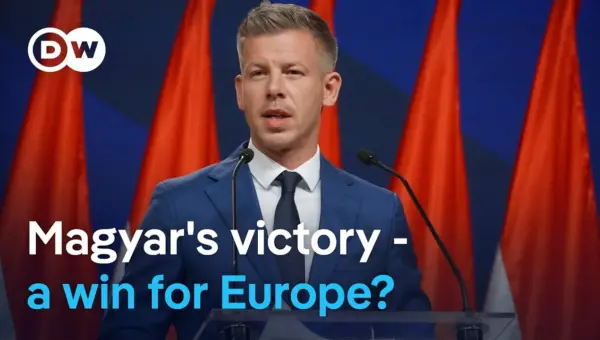
Hungary has elected Peter Magyar as its new leader, signaling a significant shift away from Viktor Orban's nationalist policies and a renewed commitment to the European Union. Magyar's government prioritizes securing frozen EU funds and improving relations with the bloc, though challenges remain in addressing migration and past ties to Russia.